
Consumer Retail Stock Volatility Amid Costco Recalls: Supply Chain Risks and Brand Resilience in the CPG Sector


 Aime Summary
A Perfect Storm of Recalls
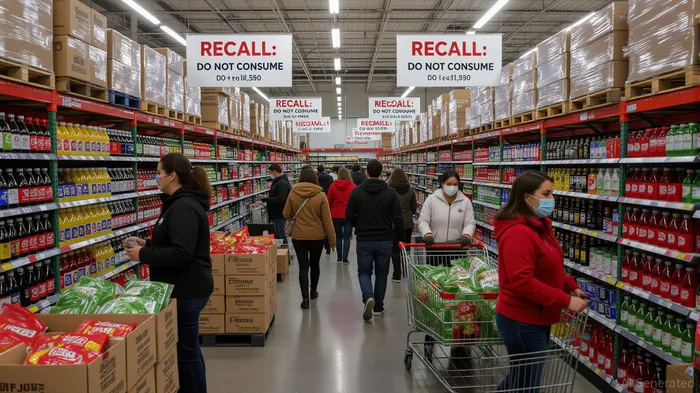 Costco's November 2025 recalls span multiple product categories, each revealing distinct supply chain weaknesses. The company pulled two Caesar salad products due to potential plastic contamination in the dressing, a manufacturing or packaging flaw that raises questions about quality control in its supplier ecosystem. Simultaneously, nearly 1 million bottles of Kirkland Signature Prosecco were recalled for a shattering risk, linked to a European supplier and highlighting the dangers of global sourcing. Meanwhile, a Listeria-tainted yellow peach recall implicated agricultural supply chains, with contamination traced to pre-harvest conditions or post-harvest handling.
These incidents are not isolated. They reflect a broader trend: as CPG companies extend their supply chains to reduce costs and meet demand for premium products, they expose themselves to a cascade of risks-from foreign material contamination to microbial threats. For Costco, which prides itself on private-label offerings, the recalls also spotlight the challenges of maintaining consistency across a vast network of suppliers and manufacturers.
Supply Chain Risks: The Investor's Dilemma
The CPG sector has long been susceptible to supply chain disruptions, but recent events amplify the stakes. According to a report by Bloomberg, global supply chain costs for food and beverage companies rose by 12% year-over-year in 2025, driven by inflation, labor shortages, and geopolitical tensions. Costco's recalls add another layer of complexity: product safety issues not only incur direct costs (e.g., recalls, refunds) but also erode consumer trust, a critical intangible asset.
The sparkling wine recall, for instance, involved a third-party importer, , and a manufacturer in Italy. This multi-jurisdictional supply chain complicates accountability and response times, as companies must navigate differing regulatory standards and logistics. Similarly, the Listeria contamination in peaches-a product sourced through multiple distributors-demonstrates how agricultural supply chains can amplify risks when traceability is lacking.
For investors, the key concern is whether these incidents are outliers or symptoms of systemic weaknesses. A single recall might be dismissed as an operational hiccup, but a pattern suggests deeper issues in supplier vetting, quality assurance, or crisis management.
Brand Resilience: Can Costco Weather the Storm?
Costco's brand strength has historically insulated it from reputational damage. Its membership model, emphasis on value, and loyal customer base have allowed it to recover from past recalls. However, the frequency and diversity of 2025's incidents test that resilience.
The company's response has been swift: full refunds, clear communication, and cooperation with regulators. Yet, these measures mitigate immediate fallout but do little to address underlying vulnerabilities. As stated by a Reuters analysis, "Consumers may forgive a single recall, but repeated incidents can lead to lasting erosion of trust, particularly among health-conscious shoppers."
Moreover, the recalls risk undermining Costco's premium positioning. The Kirkland Signature brand, a cornerstone of its private-label strategy, is now associated with safety concerns. If customers perceive Costco's products as risky, they may shift to competitors, a costly outcome for a retailer reliant on high-volume, low-margin sales.
Implications for the CPG Sector and Investors
The CPG sector is at a crossroads. While consolidation and vertical integration have helped some companies reduce supply chain risks, others-like Costco-remain exposed due to their reliance on global suppliers and private-label strategies. For investors, the lesson is clear: stock volatility in this sector will remain elevated until companies demonstrate robust risk management frameworks.
, according to data from Nasdaq, as the market digested the recalls. While this may stabilize if the company executes its crisis response effectively, the long-term trajectory depends on its ability to reassure stakeholders. This includes investing in supplier audits, blockchain-based traceability systems, and contingency planning for agricultural and manufacturing risks.
Conclusion: Navigating the New Normal
The Costco recalls are a microcosm of the challenges facing modern CPG companies. For investors, the priority is to assess how firms balance cost efficiency with risk mitigation. Brands that treat supply chain resilience as a strategic imperative-rather than an afterthought-will outperform in this environment.
Costco's ability to rebuild trust and fortify its supply chains will be closely watched. In the short term, its stock may remain volatile, but the company's track record of weathering crises suggests it is not without solutions. The broader question, however, is whether the CPG sector as a whole is prepared for an era where product safety is no longer a given but a hard-won competitive advantage.

Delivering real-time insights and analysis on emerging financial trends and market movements.
Latest Articles
Stay ahead of the market.
Get curated U.S. market news, insights and key dates delivered to your inbox.
AInvest
PRO
AInvest
PRO



Comments
No comments yet