
Consumer Goods Sector Volatility: Unpacking the 2025 Shredded Cheese Recall and Its Implications


 Aime Summary
Supply Chain Vulnerabilities: A Systematic Crisis
The recall, initially voluntary in October 2025, was later reclassified as a Class II event by the FDA, indicating that consumption of the affected products could lead to temporary or medically reversible health consequences. The contamination originated from raw materials supplied to Great Lakes Cheese, highlighting a critical flaw in supplier vetting and oversight. According to industry analysis, , driven by cost-cutting measures such as reduced batch sampling, thinner quality control, and reliance on cheaper suppliers with inconsistent standards as research shows.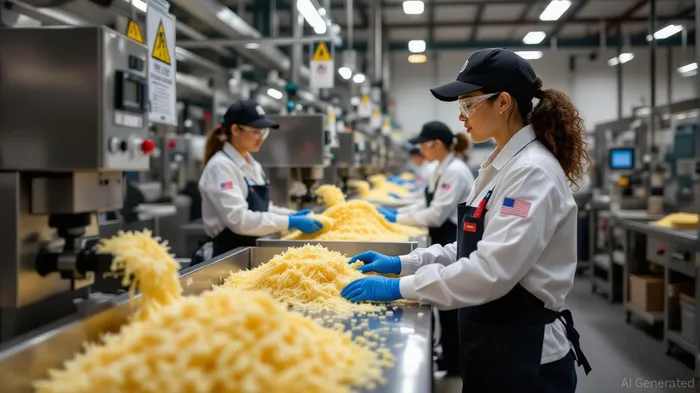
This pattern reflects a sector-wide shift toward higher-severity recall risks, particularly in prepared foods and baked goods, where undeclared allergens and bacterial contamination are also prevalent according to NPR analysis. For instance, . states and Puerto Rico, with products sold under multiple private label brands at retailers like Aldi, WalmartWMT--, and TargetTGT-- according to local reporting. The scale of distribution amplifies the financial and reputational stakes, as companies face not only immediate recall costs but also long-term damage to consumer confidence.
Brand Equity Damage: Trust Erosion and Retailer Exposure
The recall's impact on brand equity is particularly acute for retailers that sold the affected products under their private labels. Brands such as Always Save (Aldi), Borden (Walmart), and Good & Gather (Target) were implicated, raising questions about their ability to ensure product safety. While no injuries or illnesses were reported, the FDA's reclassification to Class II signaled a heightened health risk, potentially eroding consumer trust in these brands.
Expert analysis suggests that such incidents can lead to lasting reputational harm, even when companies act swiftly to address the issue as research indicates. For example, the recall forced Great Lakes Cheese to suspend operations temporarily, while retailers scrambled to issue refunds and remove products from shelves. The incident also exposed the fragility of private label branding, where retailers rely on third-party suppliers but bear the brunt of consumer backlash.
Sector Volatility and Strategic Implications
The 2025 cheese recall is not an isolated event but a symptom of a broader industry-wide vulnerability. As supply chains become increasingly globalized and cost-sensitive, the risk of contamination or quality lapses grows. This volatility is compounded by the concentration of recalls in high-frequency purchase categories like dairy and baked goods, where consumer expectations for safety are particularly high according to ABC News.
For investors, the implications are clear: companies must prioritize robust supplier vetting, enhanced quality control protocols, and contingency planning for large-scale recalls. The incident also underscores the importance of brand reputation management, as even a single recall can trigger a cascade of financial and operational challenges. Retailers and food manufacturers are now under pressure to adopt more transparent sourcing practices and invest in technologies like blockchain for traceability as the FDA has stated.
Conclusion
The 2025 shredded cheese recall serves as a cautionary tale for the consumer goods sector. It highlights how supply chain inefficiencies and cost-driven strategies can amplify recall risks, while also demonstrating the fragility of brand equity in an era of heightened consumer scrutiny. As the industry grapples with these challenges, proactive measures-ranging from supplier diversification to advanced quality assurance systems-will be critical to mitigating volatility and preserving investor confidence.

Delivering real-time insights and analysis on emerging financial trends and market movements.
Latest Articles
Stay ahead of the market.
Get curated U.S. market news, insights and key dates delivered to your inbox.




Comments
No comments yet