
Consumer Goods Sector Volatility and Recall Risks: Lessons from the 2025 Shredded Cheese Recall Crisis


 Aime Summary
The 2025 Shredded Cheese Recall: A Systemic Shock
The recall, initiated by Great Lakes Cheese Co., affected products sold under major retailers' private-label brands, including Walmart's Great Value, Target's Good & Gather, and Aldi's Happy Farms. The FDA reclassified the recall from Class II to Class I, signaling potential serious health risks such as intestinal perforations or dental damage. This escalation reflects the growing scrutiny of food safety protocols, particularly in an era of globalized supply chains and rising consumer expectations for transparency according to reports.
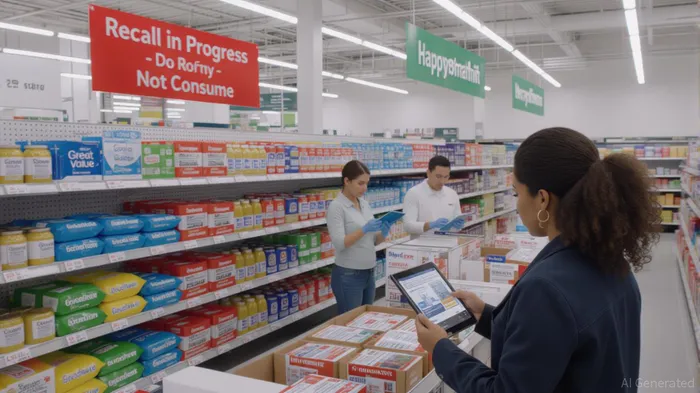
The incident also exposed vulnerabilities in supplier oversight. The contamination was traced to raw material defects at the supplier level, prompting a "downstream recall" across multiple product lines according to industry analysis. Such cascading failures are emblematic of a sector where cost pressures often outpace investments in quality control. For retailers, the recall amplified concerns about brand trust, as consumers increasingly associate product safety with corporate accountability according to consumer research.
Financial and Reputational Fallout: Mixed Signals for Retailers
While direct financial data on Great Lakes Cheese Co. remains scarce, the recall's impact on its retail partners offers instructive insights. Walmart, for instance, reported strong third-quarter earnings in late 2025, . Analysts attributed this resilience to the company's diversified revenue streams and robust e-commerce growth, which offset short-term reputational damage. In contrast, , reflecting heightened sensitivity to consumer trust erosion according to financial reports. Aldi's response, though less quantified, likely faced similar challenges in maintaining customer loyalty amid widespread media coverage of the recall according to retail analysis.
These divergent outcomes underscore the importance of corporate governance and crisis communication. Walmart's swift removal of affected products from physical and online stores, coupled with transparent public statements, likely mitigated consumer backlash according to company disclosures. Target and Aldi, meanwhile, faced criticism for slower initial responses, highlighting the need for pre-emptive recall protocols.
Lessons from Proven Recall-Response Frameworks
History offers valuable precedents for managing recall-related risks. Johnson & Johnson's handling of the 1982 Tylenol crisis, for example, remains a gold standard in crisis management. By immediately recalling 31 million bottles and introducing tamper-proof packaging, the company preserved long-term brand equity despite short-term losses according to industry analysis. Similarly, Chipotle's recovery from an E. Coli outbreak involved significant investments in food safety training and public relations, ultimately restoring consumer confidence.
These case studies emphasize the value of proactive measures: real-time supply chain monitoring, rapid communication channels, and contingency funding for recall costs. For investors, companies that integrate such frameworks into their operational DNA-such as Unilever's "Sustainable Living Plan" or Procter & Gamble's rigorous supplier audits-offer safer havens in a volatile sector according to financial research.
Strategic Implications for Investors
The 2025 cheese recall crisis reinforces a broader trend: operational risk management is no longer a peripheral concern but a core determinant of valuation. Investors should prioritize firms with:
1. Resilient Supply Chains: Diversified supplier bases and localized production hubs to minimize single points of failure.
2. Transparent Governance: Publicly disclosed recall protocols and third-party audits to build consumer trust.
3. Crisis Communication Plans: Pre-established media and stakeholder engagement strategies to limit reputational damage.
While Walmart's recent performance suggests that scale and agility can buffer against recall shocks, smaller players with weaker balance sheets remain exposed. For instance, Great Lakes Cheese Co.'s lack of public financial disclosures raises concerns about its ability to absorb recall-related costs according to financial reporting.
Conclusion: Navigating the New Normal
The consumer goods sector's volatility is here to stay, driven by regulatory tightening, supply chain complexity, and shifting consumer preferences. The 2025 cheese recall serves as a stark reminder that operational excellence-particularly in risk management-is the new competitive moat. For investors, the path forward lies in identifying companies that treat product safety not as a compliance burden but as a strategic asset. In an era of heightened scrutiny, such firms will not only survive recalls but emerge stronger, turning crises into opportunities for long-term value creation.

Delivering real-time insights and analysis on emerging financial trends and market movements.
Latest Articles
Stay ahead of the market.
Get curated U.S. market news, insights and key dates delivered to your inbox.
AInvest
PRO
AInvest
PRO



Comments
No comments yet