
Consumer Goods Sector Volatility: Navigating Risks from Product Recalls


 Aime Summary
The 2025 Shredded Cheese Recall: Scope and Immediate Reactions
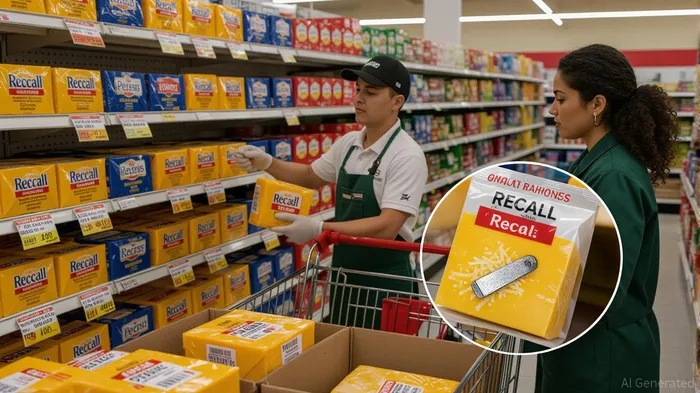
The recall, initiated by , targeted shredded cheese products contaminated with metal fragments. These items, sold under private-label brands like Aldi's Happy Farms, Walmart's Great Value, and Target's Good & Gather, were distributed across 31 U.S. states and Puerto Rico according to ABC News. The FDA classified the incident as a Class II recall, indicating temporary or reversible health risks such as internal injuries from ingested metal according to the Los Angeles Times. While no illnesses were reported, the recall underscored systemic gaps in supplier oversight and quality control.
Stock Volatility and Investor Sentiment
The recall triggered mixed investor reactions. TreeHouse FoodsTHS--, a key supplier to these retailers, , reflecting broader market jitters over food safety according to Simply Wall St. Although direct stock impacts on Aldi, Walmart, and TargetTGT-- were not quantified, the incident exacerbated "recall fatigue" among consumers, potentially eroding long-term sales according to StockTwits. Public sentiment, as noted in social media and news platforms, shifted toward distrust, with many consumers avoiding packaged foods according to Newsweek.
Supply Chain Resilience: Lessons from the Recall
The recall exposed vulnerabilities in supplier-dependent supply chains. Aldi, Walmart, and Target are expected to adopt strategies such as diversifying suppliers, enhancing real-time quality monitoring, and strengthening recall protocols according to . Aldi, for instance, emphasized swift product removal and transparent communication through its recall page and external resources like the CPSC according to Aldi's corporate site. Walmart, leveraging its crisis management framework, is likely to reinforce supplier audits, while Target plans to differentiate itself through larger-format stores and upgraded in-store experiences to rebuild consumer trust according to Facebook posts.
Brand Equity Management: Rebuilding Consumer Confidence
Restoring brand equity post-recall requires proactive transparency. Aldi and Walmart have prioritized refunds and replacements, while Target's 2026 expansion plans aim to shift focus to quality and safety according to Cleveland-Cuyahoga County Food Policy Coalition. Analysts suggest that robust supplier vetting, enhanced product safety assurances, and customer engagement campaigns will be critical in mitigating reputational damage according to PR Newswire. The recall also highlights the sector's need for standardized safety protocols to address rising product safety concerns, as the third quarter of 2025 saw a surge in recalls, testing consumer patience according to Economic Times.
Conclusion: Navigating the New Normal
The 2025 cheese recall serves as a cautionary tale for the consumer goods sector. As supply chains grow more complex, companies must balance cost efficiency with resilience. For investors, the incident underscores the importance of monitoring corporate governance and crisis response frameworks. Retailers that adapt swiftly-through diversified suppliers, transparent communication, and brand-centric strategies-will likely emerge stronger, even in a landscape marked by frequent recalls.

Delivering real-time insights and analysis on emerging financial trends and market movements.
Latest Articles
Stay ahead of the market.
Get curated U.S. market news, insights and key dates delivered to your inbox.




Comments
No comments yet