
Consumer Goods Sector Volatility: Navigating Risks in Grocery Retail Supply Chains


 Aime Summary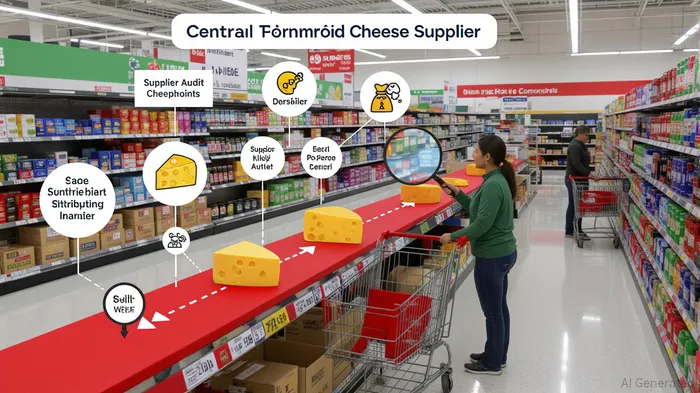
Investor Confidence and Stock Performance
While specific stock price data for Walmart (WMT) and Target (TGT) during the recall period remains undisclosed, historical precedents suggest that food safety crises can trigger short-term volatility. For instance, the 2025 cheese recall occurred amid a broader environment of rising consumer caution, with the S&P Consumer Staples Select Sector underperforming due to inflationary pressures and frequent recalls. Retailers with opaque supply chains or weak risk management systems are particularly vulnerable, as investors weigh the costs of reputational damage, recall expenses, and potential regulatory scrutiny.
The absence of reported injuries in this case may mitigate long-term impacts, but the sheer scale of the recall-spanning 31 states and Puerto Rico-has amplified scrutiny. Analysts note that companies with robust supply chain visibility, such as those leveraging real-time tracking and supplier audits, are better positioned to retain trust. Walmart and Target, for example, have invested in blockchain-based traceability systems, which could cushion their brands against fallout.
Brand Value and Consumer Trust
Consumer trust, a critical intangible asset for grocery retailers, faces erosion when safety lapses occur. The recall of store-brand products like Walmart's Great Value and Target's Good & Gather-brands marketed for affordability and reliability-risks alienating price-sensitive shoppers already wary of rising living costs. According to a report by TOSCA Ltd., 2025 saw a shift toward value-driven spending, with consumers prioritizing perceived quality over convenience. Retailers that fail to align with these expectations may see long-term sales declines, even if immediate financial impacts are muted.
Aldi, though not publicly traded, faces similar reputational risks. Its private-label Happy Farms cheese, distributed across 31 states, underscores the vulnerability of private brands reliant on third-party suppliers. For publicly traded competitors, the lesson is clear: brand equity in the grocery sector hinges on perceived control over supply chain integrity.
Strategies for Resilience in Consumer Staples Investing
Investors seeking resilience in this volatile landscape should prioritize companies with three key attributes:
1. Supply Chain Transparency: Firms that invest in end-to-end visibility, such as Walmart's blockchain initiatives, reduce recall risks and foster trust.
2. Diversified Supplier Networks: Over-reliance on single suppliers, as seen in the Great Lakes Cheese Co. incident, magnifies exposure to contamination risks.
3. Proactive Risk Mitigation: Brands that emphasize quality assurance, such as Costco's rigorous supplier vetting, are better insulated from crises.
Historical data supports this approach. Between 2003 and 2025, the S&P Consumer Staples Select Sector posted positive returns in 61% of months, but underperformed in 2025 amid inflation and safety concerns. Companies that adapted-by optimizing for convenience (e.g., meal kits) or emphasizing durable packaging-retained customer loyalty despite macroeconomic headwinds.
Conclusion
The 2025 cheese recall serves as a cautionary tale for the consumer goods sector. While the immediate financial impact on Walmart and Target remains unclear, the incident underscores the need for investors to scrutinize supply chain resilience and brand risk management. In an era of rising recalls and shifting consumer priorities, companies that prioritize transparency, diversification, and proactive quality control will outperform peers. For investors, the path forward lies in identifying these resilient players-those capable of navigating volatility while safeguarding both brand value and shareholder trust.

Delivering real-time insights and analysis on emerging financial trends and market movements.
Latest Articles
Stay ahead of the market.
Get curated U.S. market news, insights and key dates delivered to your inbox.




Comments
No comments yet