
Consumer Goods Sector Volatility: Assessing the Impact of the 2025 Shredded Cheese Recall Crisis


 Aime Summary
Supply Chain Vulnerabilities: A Systemic Wake-Up Call
The root cause of the Great Lakes Cheese Co. recall-metal fragments traced to supplier raw materials-highlights a systemic issue: over-reliance on centralized production models and insufficient supplier oversight. According to the , , despite a decline in total recall events. This paradox-fewer recalls but larger-scale contamination-signals a shift in risk profiles, where companies face not just operational disruptions but also existential threats to consumer trust.
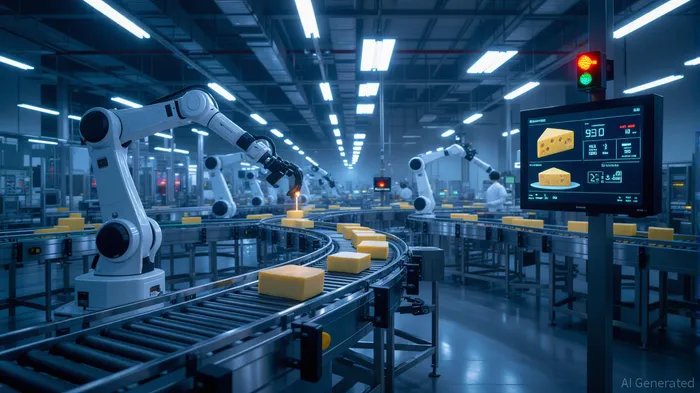 Investors must now ask: How prepared are food-processing firms to handle cascading supply chain failures? The answer lies in their adoption of technologies like blockchain and AI-driven traceability systems. Walmart's partnership with IBM's Food Trust, for instance, , a critical advantage during recalls. Similarly, startups like are deploying real-time pathogen detection systems, enabling immediate action without costly lab delays. For companies lagging in these innovations, the financial toll is steep: , plus long-term brand erosion.
Brand Resilience: Trust as a Tradable Asset
The recall crisis has also laid bare the fragility of brand equity in the food sector. survey reveals , with Millennials and Gen Z leading the charge. This generational shift toward transparency means that even a single misstep can decimate market share. Consider the case of Face Rock Creamery, which voluntarily recalled its Vampire Slayer Garlic Cheddar after environmental testing detected . Though no illnesses were reported, the FDA classified it as a Class I recall (highest risk), and the company's swift, transparent response became a case study in crisis management.
For investors, the lesson is clear: brands that prioritize proactive communication . Conversely, companies that downplay risks or lack contingency plans face not just regulatory fines but also a collapse in consumer loyalty. The FDA's upcoming Rule 204 under the Food Safety Modernization Act (FSMA), mandating 24-hour traceability reporting, will further pressure laggards to modernize or risk obsolescence.
Investment Implications: Diversify or Deteriorate
The 2025 crisis has rewritten the playbook for food-processing investments. Here's how to navigate the volatility:
- Tech-Integrated Producers: Prioritize companies leveraging AI, , and for supply chain visibility. These firms are better positioned to mitigate recalls and maintain consumer trust.
- Alternative Proteins and Sustainability: Shift allocations toward plant-based and , which diversify supply chains and align with regulatory trends. Investors are already pushing .
- Localized Production Models: Nearshoring and localized processing facilities reduce dependency on global supply chains, a strategy and digital farming ventures gaining traction in 2025.
- Quality Control as a Competitive Edge: Watch for companies with robust supplier audits and real-time monitoring systems. Those cutting corners on safety will face escalating costs and reputational damage.
Conclusion: The New Normal in Food Safety
The 2025 Shredded Cheese Recall Crisis is not an outlier-it's a harbinger of a more volatile era for consumer goods. As recalls become more frequent and severe, investors must treat supply chain resilience and brand trust as non-negotiable metrics. The winners will be those who embrace innovation, , and diversification. For the rest, the message is stark: adapt or be left behind.

Delivering real-time insights and analysis on emerging financial trends and market movements.
Latest Articles
Stay ahead of the market.
Get curated U.S. market news, insights and key dates delivered to your inbox.
AInvest
PRO
AInvest
PRO



Comments
No comments yet