
Consumer Goods Sector Volatility: Assessing the Financial Impact of Recent Cheese Recalls


 Aime Summary
The consumer goods sector has long been susceptible to volatility driven by supply chain disruptions and brand reputation risks. In 2025, two high-profile cheese recalls-impacting Great Lakes Cheese Co. Inc. and Boar's Head-exposed vulnerabilities in food safety protocols and highlighted the financial and reputational stakes for companies in this space. These incidents underscore the critical importance of robust supply chain risk management and brand resilience strategies for investors evaluating long-term stability in the sector.
Supply Chain Vulnerabilities and Financial Fallout
The 2025 cheese recalls revealed systemic weaknesses in supplier verification and quality control. , sold under private labels at Aldi, WalmartWMT--, and TargetTGT--, was triggered by potential metal contamination.
The FDA classified this as a Class II recall, indicating risks of temporary or reversible health effects. While no illnesses were reported, the recall required immediate product withdrawals, inventory reprocessing, and refunds,
likely incurring significant financial losses.
Boar's Head faced a separate crisis with its Pecorino Romano cheese products, linked to potential contamination. The recall, tied to Ambriola Company's production,
forced the brand to halt purchases of affected items and suspend distribution. This followed a prior deli meat recall in 2024, ,
of a man who died from listeriosis. These incidents suggest a pattern of supply chain mismanagement, with financial repercussions compounding over time.
Brand Resilience: Transparency and Technological Adaptation
Both companies responded with strategies aimed at mitigating reputational damage and restoring consumer trust. Great Lakes Cheese prioritized transparency by
voluntarily recalling products and collaborating with the FDA to suspend production. Boar's Head, meanwhile, emphasized supplier accountability by halting purchases from Ambriola and
enhancing its supplier verification programs.
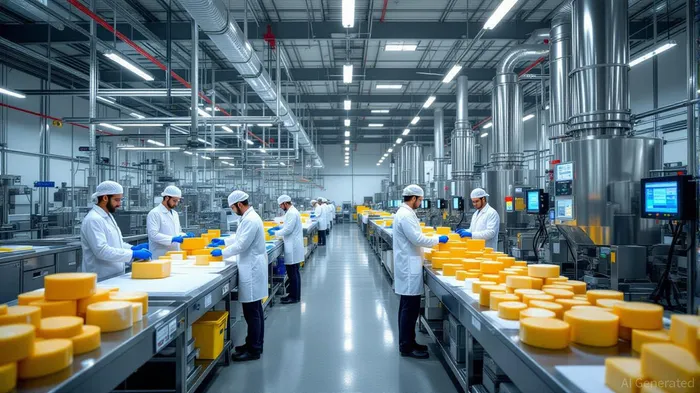
A key differentiator in their resilience strategies was the adoption of advanced technologies. Boar's Head
implemented blockchain-based tracking systems and IoT sensors to monitor shipping and storage conditions, reducing recall timelines and improving traceability. Great Lakes Cheese similarly aligned with FDA guidelines,
leveraging regulatory compliance to reinforce its commitment to safety. These measures reflect a broader industry shift toward digitization to address supply chain vulnerabilities.
Investor Implications: Balancing Risk and Recovery
For investors, the 2025 recalls highlight the dual risks of operational failures and reputational damage in the consumer goods sector. Companies with weak supplier oversight or outdated quality control systems face not only immediate financial losses but also long-term erosion of brand equity. Conversely, firms that invest in proactive risk management-such as real-time monitoring, , and transparent communication-demonstrate resilience in volatile markets.
The financial impact of these recalls also underscores the importance of contingency planning. Boar's Head's prior settlements for its 2024 meat recall illustrate how unanticipated liabilities can strain cash flow and profitability. Investors should scrutinize companies' legal reserves and crisis response frameworks to gauge their capacity to absorb such shocks.
Conclusion: Lessons for a Resilient Future
The 2025 cheese recalls serve as a cautionary tale for the consumer goods sector. While supply chain disruptions are inevitable, the ability to recover hinges on preparedness, transparency, and technological innovation. For investors, the key takeaway is clear: brands that prioritize supplier accountability, invest in traceability technologies, and maintain open communication with stakeholders are better positioned to navigate crises and retain market confidence. As the sector evolves, these strategies will be critical in mitigating volatility and ensuring long-term sustainability.

Stay ahead of the market.
Get curated U.S. market news, insights and key dates delivered to your inbox.
AInvest
PRO
AInvest
PRO



Comments
No comments yet