
Consumer Brand Resilience During Product Safety Crises: Investment Implications for Retail and CPG Stocks


 Aime Summary
The Costco 2025 Recall Saga: A Test of Crisis Management
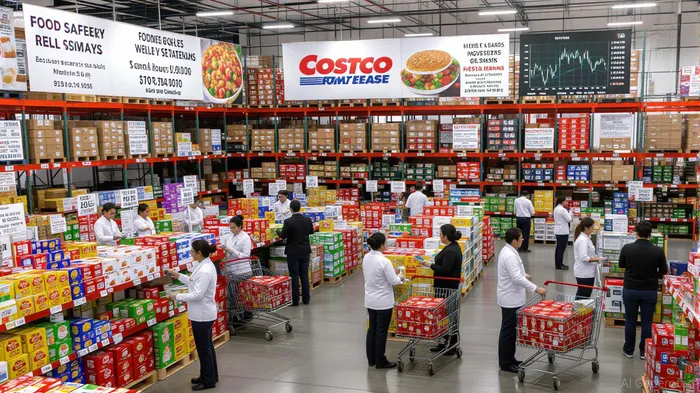
Costco's 2025 recalls span a range of products and hazards, including Genova Yellowfin Tuna (February botulism risk), Kirkland Signature Prosecco (September bottle explosion risk), and Listeria-tainted prepared foods (May) according to reports. Each incident required rapid action, from regional recalls to nationwide product withdrawals. While the company's swift responses-such as removing 33 states' worth of Kirkland Signature Ahi Tuna due to Listeria-demonstrated operational agility, the cumulative effect raised questions about supplier oversight and quality control.
 Historical precedents, like the 2008 salmonella outbreak in peanut products, highlight the financial toll of such crises. A 2022 study found , . , suggesting lingering optimism among analysts.
Lessons from the Past: Resilience Through Communication and Adaptation
The 2018 romaine E. coli outbreak, , offers a cautionary tale. Shippers and processors bore the brunt of the economic fallout, while growers were shielded by contract structures. The crisis also revealed the importance of precise communication: initial FDA advisories that broadly targeted all romaine producers exacerbated losses, whereas later targeted warnings helped restore consumer confidence.
Costco's approach to its 2025 recalls appears to align with resilience strategies outlined in academic research. A 2021 study on food supply chains emphasized diversifying suppliers and enhancing supplier vetting to mitigate risks. Costco's decision to recall Kirkland Signature products-despite their private-label branding-signals a commitment to transparency, a key factor in rebuilding trust. However, repeated incidents may erode consumer confidence, particularly for a brand synonymous with quality and safety.
Investor Sentiment: Mixed Signals and Strategic Caution
Analyst ratings for Costco remain cautiously optimistic, . Institutional investors have also increased stakes, with Francis Financial Inc. . , raising concerns about internal confidence.
This duality mirrors the 2008 salmonella crisis, where investor sentiment was influenced not only by direct recalls but also by "spillover effects" from unrelated food safety incidents according to research. For Costco, the challenge lies in distinguishing between short-term volatility and long-term brand erosion. While its recent earnings beat estimates and dividend hikes suggest financial strength, repeated recalls could strain margins and deter new members.
Investment Implications: Balancing Risk and Resilience
For investors, the key takeaway is that brand resilience hinges on three pillars: speed of response, transparency, and supply chain adaptability. Costco's 2025 recalls demonstrate its capacity to act swiftly, but the frequency of incidents raises questions about systemic vulnerabilities. Historical data shows that companies with robust crisis communication strategies-such as those that clearly attribute issues to third-party suppliers-recover faster.
Retail and CPG stocks are particularly vulnerable to food safety crises due to their reliance on consumer trust. The 2018 romaine E. coli outbreak, for instance, , illustrating how crises can ripple through entire categories. Investors should monitor Costco's supplier diversification efforts and its ability to innovate in quality control, such as adopting blockchain for traceability.
Conclusion: A Call for Vigilance and Strategic Patience
Costco's 2025 recalls are a microcosm of the broader challenges facing the retail and CPG sectors. While the company's financials remain strong, the cumulative impact of multiple safety incidents could test its brand equity. For investors, the path forward involves balancing short-term volatility with long-term resilience. Those who prioritize companies with transparent communication, diversified supply chains, and proactive risk management-like Costco's recent supplier vetting initiatives-may be better positioned to weather future crises.
As the market digests these lessons, the question remains: Can Costco's swift responses and financial muscle offset the reputational damage of repeated recalls? The answer will likely shape not only its stock trajectory but also the broader investment landscape for consumer brands.

Delivering real-time insights and analysis on emerging financial trends and market movements.
Latest Articles
Stay ahead of the market.
Get curated U.S. market news, insights and key dates delivered to your inbox.
AInvest
PRO
AInvest
PRO



Comments
No comments yet