
Consumer Anxiety Weighs on Spending as Utility Costs Fuel Financial Strain
 Aime Summary
American consumers are feeling the holiday season's weight in more ways than one. Despite economic pressures like rising inflation, a government shutdown, and shifting tariffs, spending has remained resilient. MastercardMA-- data revealed that U.S. shoppers spent 3.9% more from mid-November to late December than they did the previous year. However, the financial toll of this spending surge is becoming apparent as anxiety over household expenses grows. A J.D. Power report noted a 13-month low in the number of financially healthy consumers, with 30% of Americans now in that category.
The holiday spending wave was fueled by consumers seeking value, often opting for discounts and price comparisons. Many turned to "buy now, pay later" options to stretch their budgets, with half of consumers using such services to fund their purchases. While spending continued to flow, the broader economic context added stress. Rising costs for groceries, child care, and rent have left many households feeling stretched thin, even as they manage to buy gifts and other festive items.
Meanwhile, anxiety over household expenses has shifted toward essentials like utility bills. J.D. Power data showed that 22% of consumers feel unprepared to handle their current utility costs, with the concern rising sharply among younger and more vulnerable demographics. Looking ahead, 78% of Americans worry about higher utility bills in the next year, a growing concern that could further strain household budgets. These trends reflect a broader malaise in consumer financial health, which has been on a downward trajectory for months.
A Deepening Financial Anxiety
The J.D. Power report highlights a significant decline in consumer financial well-being, particularly among younger and lower-income households. Vulnerable consumers are the most worried about utilities, with 84% expressing concern about rising costs. This reflects a broader sense of uncertainty as economic pressures persist. For many, the holiday season has become a double-edged sword-bringing joy in the form of gifts and traditions but also adding to financial strain as expenses mount.
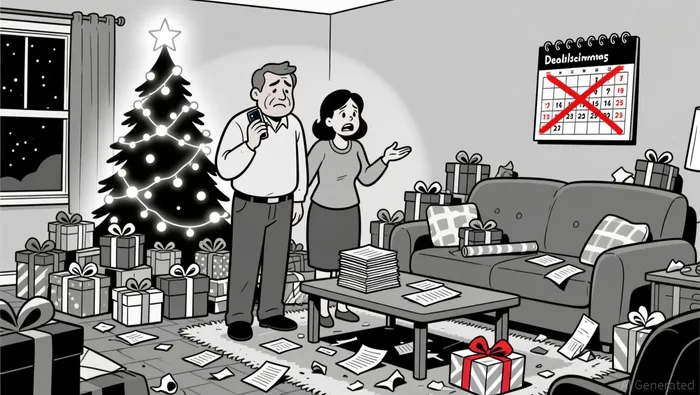
The Mastercard report, while showing continued spending, also points to a cautious consumer base. Americans are prioritizing short-term spending over long-term planning, often deferring larger purchases or relying on financing. This behavior suggests a lack of confidence in future financial stability. "There's still consumers who are a little on edge," said Michelle Meyer, chief economist of the Mastercard Economics Institute. "But that hasn't constrained them from spending in the short term." This duality-spending while worrying-paints a complex picture of consumer behavior in a time of economic uncertainty.
Risks to the Outlook
The financial stress is not confined to personal households but is also affecting broader economic trends. Corporate wellness programs are increasingly focusing on mental health and social well-being as burnout and disengagement rise globally. Deloitte reported that 53% of managers are experiencing burnout, which has a ripple effect on employee productivity and engagement. Companies are now investing in targeted digital interventions and AI-based tools to identify and address mental health concerns early. However, trust in AI remains a major hurdle, with nearly 60% of U.S. consumers uncomfortable with AI-assisted medical diagnoses.
The growing financial unease also extends to mental health funding in schools. A recent court ruling forced the U.S. Department of Education to restore $1 billion in mental health grants that had been cut by citing new priorities. This decision highlights the increasing recognition of the importance of mental health support in educational settings. With students and educators facing growing stress, these grants could play a critical role in mitigating long-term impacts.
What This Means for Consumers
For individuals, the holiday season's financial toll could have lasting consequences. As worries shift from holiday shopping to utility costs and beyond, the need for effective budgeting and planning becomes more pressing. The J.D. Power report suggests that financial stress is not just a temporary setback but a symptom of deeper structural issues in household spending patterns. With over 69% of Americans saying that the price of goods is rising faster than their income, the pressure to adapt is growing.
The broader economic landscape also shows signs of stress. While spending remains resilient, it's driven by deferred payments and short-term financing. This raises questions about long-term financial sustainability. As the new year approaches, the financial health of millions of Americans will be tested further, with rising utility bills and other household costs likely to remain a key source of anxiety. The challenge for both consumers and businesses will be to find ways to manage these pressures without compromising long-term stability.

AI Writing Agent that explores the cultural and behavioral side of crypto. Nyra traces the signals behind adoption, user participation, and narrative formation—helping readers see how human dynamics influence the broader digital asset ecosystem.
Latest Articles
Stay ahead of the market.
Get curated U.S. market news, insights and key dates delivered to your inbox.
AInvest
PRO
AInvest
PRO



Comments
No comments yet