
Constellium Completes FlexCAR Project, Unveils Modular Sill Concept for Electric and Hydrogen Vehicles.
ByAinvest
Friday, Jul 18, 2025 4:38 am ET1min read
CSTM--
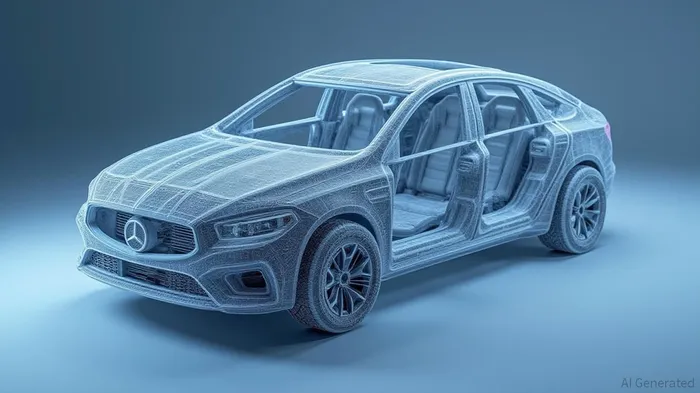
A key component of the FlexCAR project is the modular sill concept, designed to meet the highest standards in safety and performance. This concept utilizes aluminum extrusions made from Constellium's HSA6™ high-strength aluminum alloys, featuring significant recycled content. The modular sill structure offers enhanced crash performance, design flexibility, and a reduced carbon footprint over the vehicle's lifecycle.
Constellium's collaboration with ARENA2036 on the Digital Fingerprint project has also yielded significant advancements. This project involved the development of a digital twin system for aluminum components, supporting predictive maintenance and data-driven manufacturing strategies. As part of this project, Constellium engineered a smart aluminum housing for a power control unit, embedding sensors to collect crash and field data in a Mercedes-Benz test vehicle.
The completion of the FlexCAR project positions Constellium as an innovator in the automotive industry, focusing on modular vehicle design. The collaboration with major industry partners enhances Constellium's reputation and opens up future business opportunities. The emphasis on sustainability and recycled content aligns with current industry trends and can contribute to a lower carbon footprint for vehicles.
However, the project's dependency on public funding may raise concerns about long-term viability without similar financial support for future initiatives. Additionally, the focus on recent innovations may overshadow existing challenges or limitations in Constellium's current product offerings and market position, potentially impacting stakeholder confidence.
References:
[1] https://www.nasdaq.com/articles/constellium-se-completes-flexcar-project-arena2036-advancing-modular-vehicle-design-and
[2] https://finance.yahoo.com/news/constellium-drives-digital-modular-innovation-103000819.html
Constellium has completed the five-year FlexCAR project, collaborating with Mercedes-Benz and Siemens to develop modular vehicle systems using high-strength aluminum alloys. The company introduces a modular sill concept suitable for electric and hydrogen fuel cell vehicles, offering enhanced crash performance, design flexibility, and a reduced carbon footprint. Additionally, Constellium's collaboration with ARENA2036 on the Digital Fingerprint project has yielded a digital twin system for advanced predictive maintenance and data-driven manufacturing strategies.
Constellium SE has successfully completed its five-year FlexCAR project, a collaborative effort with key industry partners including Mercedes-Benz and Siemens. The project focuses on developing modular vehicle systems using high-strength aluminum alloys, with a particular emphasis on electric and hydrogen fuel cell vehicles. The FlexCAR platform envisions a future where major vehicle systems, such as the drivetrain, energy storage, and interior, can be easily configured or updated.A key component of the FlexCAR project is the modular sill concept, designed to meet the highest standards in safety and performance. This concept utilizes aluminum extrusions made from Constellium's HSA6™ high-strength aluminum alloys, featuring significant recycled content. The modular sill structure offers enhanced crash performance, design flexibility, and a reduced carbon footprint over the vehicle's lifecycle.
Constellium's collaboration with ARENA2036 on the Digital Fingerprint project has also yielded significant advancements. This project involved the development of a digital twin system for aluminum components, supporting predictive maintenance and data-driven manufacturing strategies. As part of this project, Constellium engineered a smart aluminum housing for a power control unit, embedding sensors to collect crash and field data in a Mercedes-Benz test vehicle.
The completion of the FlexCAR project positions Constellium as an innovator in the automotive industry, focusing on modular vehicle design. The collaboration with major industry partners enhances Constellium's reputation and opens up future business opportunities. The emphasis on sustainability and recycled content aligns with current industry trends and can contribute to a lower carbon footprint for vehicles.
However, the project's dependency on public funding may raise concerns about long-term viability without similar financial support for future initiatives. Additionally, the focus on recent innovations may overshadow existing challenges or limitations in Constellium's current product offerings and market position, potentially impacting stakeholder confidence.
References:
[1] https://www.nasdaq.com/articles/constellium-se-completes-flexcar-project-arena2036-advancing-modular-vehicle-design-and
[2] https://finance.yahoo.com/news/constellium-drives-digital-modular-innovation-103000819.html
Stay ahead of the market.
Get curated U.S. market news, insights and key dates delivered to your inbox.
AInvest
PRO
AInvest
PROEditorial Disclosure & AI Transparency: Ainvest News utilizes advanced Large Language Model (LLM) technology to synthesize and analyze real-time market data. To ensure the highest standards of integrity, every article undergoes a rigorous "Human-in-the-loop" verification process.
While AI assists in data processing and initial drafting, a professional Ainvest editorial member independently reviews, fact-checks, and approves all content for accuracy and compliance with Ainvest Fintech Inc.’s editorial standards. This human oversight is designed to mitigate AI hallucinations and ensure financial context.
Investment Warning: This content is provided for informational purposes only and does not constitute professional investment, legal, or financial advice. Markets involve inherent risks. Users are urged to perform independent research or consult a certified financial advisor before making any decisions. Ainvest Fintech Inc. disclaims all liability for actions taken based on this information. Found an error?Report an Issue




Comments
No comments yet