
Congress Pushes for Tariff Oversight Amid Economic Debate
Rep. French Hill (R-AR), Chairman of the House Financial Services Committee, has stated that President Trump's tariffs could have long-term benefits for the U.S. economy. However, he emphasized the need for Congress to take a more active role in shaping and overseeing this policy. This statement reflects a broader sentiment within the Republican Party that, while tariffs may ultimately strengthen the economy, the current approach lacks sufficient congressional oversight.
Other lawmakers, such as Rep. David Valadao (R-Calif.), have also expressed support for legislation that would transfer tariff authority back to Congress. They argue that legislative involvement is crucial in significant economic policies to ensure a balanced approach that considers both short-term impacts and long-term gains.
Critics of Trump's tariffs contend that they function as a tax on consumers, potentially leading to economic downturns. They suggest that the tariffs could cost the average American family thousands of dollars annually, impacting essential expenses such as groceries, rent, and childcare. This financial burden, critics argue, could exacerbate economic hardships for many households.
Proponents of the tariffs, however, maintain that they are necessary for achieving long-term economic benefits. They argue that by protecting domestic industries from foreign competition, tariffs can stimulate growth and job creation in the U.S. The lawmaker's call for greater congressional involvement underscores the need for a more balanced approach that considers both short-term impacts and long-term gains.
The debate over tariffs extends beyond economic considerations to political dimensions. Some view Trump's tariff strategy as an attempt to erode the independence of the private sector, suggesting that industries and companies may feel pressured to align with the administration's policies, potentially compromising their autonomy.
In summary, while Trump's tariffs are seen as potentially beneficial in the long term, there is a growing consensus that Congress needs to play a more active role in their implementation. This would ensure that the policy is both effective and equitableEQH--, balancing the need for economic protection with the concerns of consumers and businesses alike. 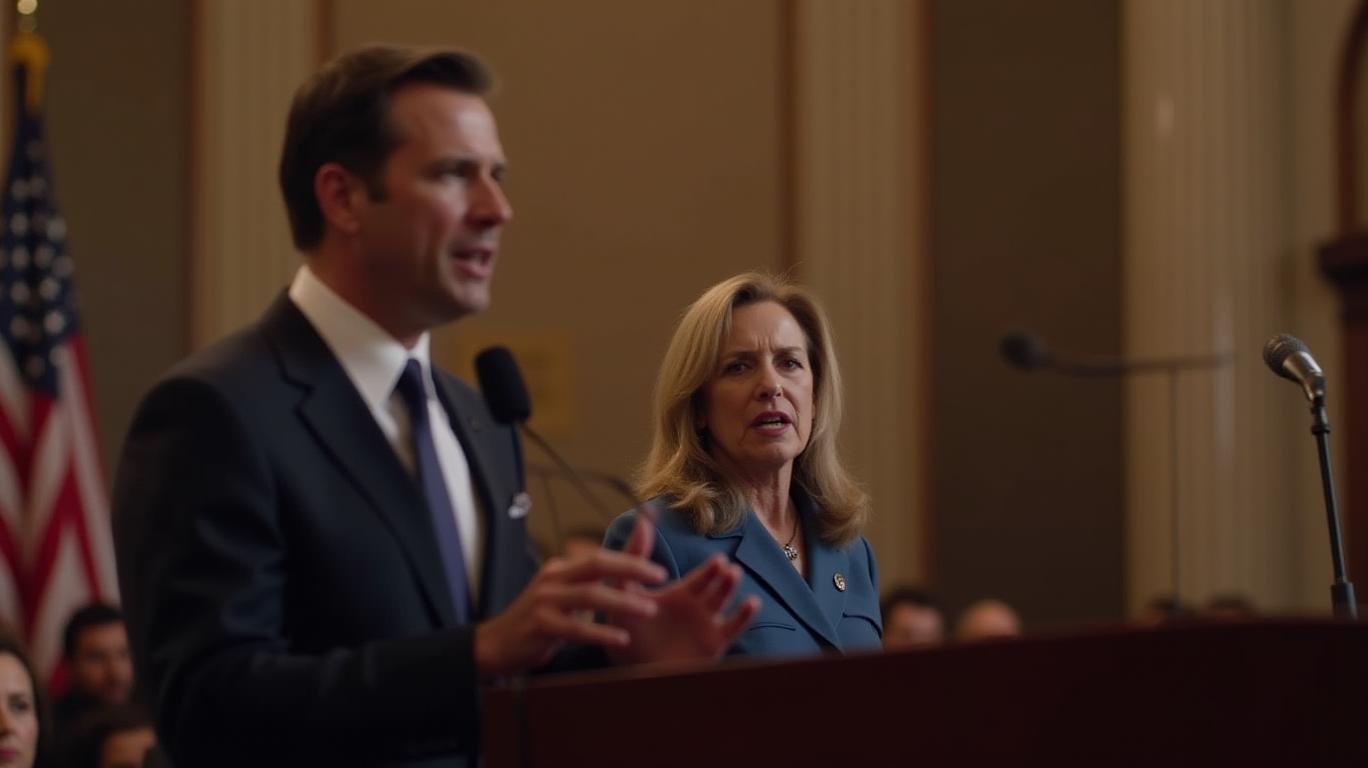

Stay ahead of the market.
Get curated U.S. market news, insights and key dates delivered to your inbox.






Comments
No comments yet