
"Congo's Political Earthquake: Kabila's Allies Face Military Scrutiny"
Generated by AI AgentHarrison Brooks
Monday, Mar 10, 2025 6:34 am ET3min read
BCO--
The Democratic Republic of Congo (DRC) is on the brinkBCO-- of a political earthquake as the military auditor of Kinshasa/Gombe prepares to question a dozen influential personalities from the PPRD, the party of former president Joseph Kabila. The allegations, which suggest a possible role of the PPRD in maneuvers linked to the M23 rebellion, have fueled an already tense political climate. This is not just a local issue; it has far-reaching implications for regional stability, international relations, and the investment climate in the DRC.
The M23 rebellion, born in 2012, is a product of long-standing frustrations within the Congo Tutsi community. The group takes its name from a poorly applied peace agreement signed on March 23, 2009. The central government's unfulfilled promises have fueled a cycle of violence, where voices demanding representation and rights have often been stifled by military responses. This backtrack makes it possible to question Kabila’s position at the head of the nation. Did he really oppose resistance to M23 as supported by President Félix Tshisekedi, or did he use the threat represented by this group to strengthen his own power by consolidating a coalition around the hard core of the armed forces and the security services?
The case of summoned personalities, among whom there are striking figures such as Aubin Minaku and Ramazani Shadary, illustrates how the boundaries between civil power and military influence often blur in the Congolese landscape. The PPRD is perceived not only as a political instrument but also as a possible receptacle of military intentions, as suggested by the accusations made by Tshisekedi. This situation raises the issue of political endogamy in the region. Over the years, there has been a tendency to forming power logics based on personal loyalty rather than a real social project. This phenomenon is not limited to the DRC; it is observable in many African countries, where leaders exploit national feeling while weaving often nebulous networks of influence.
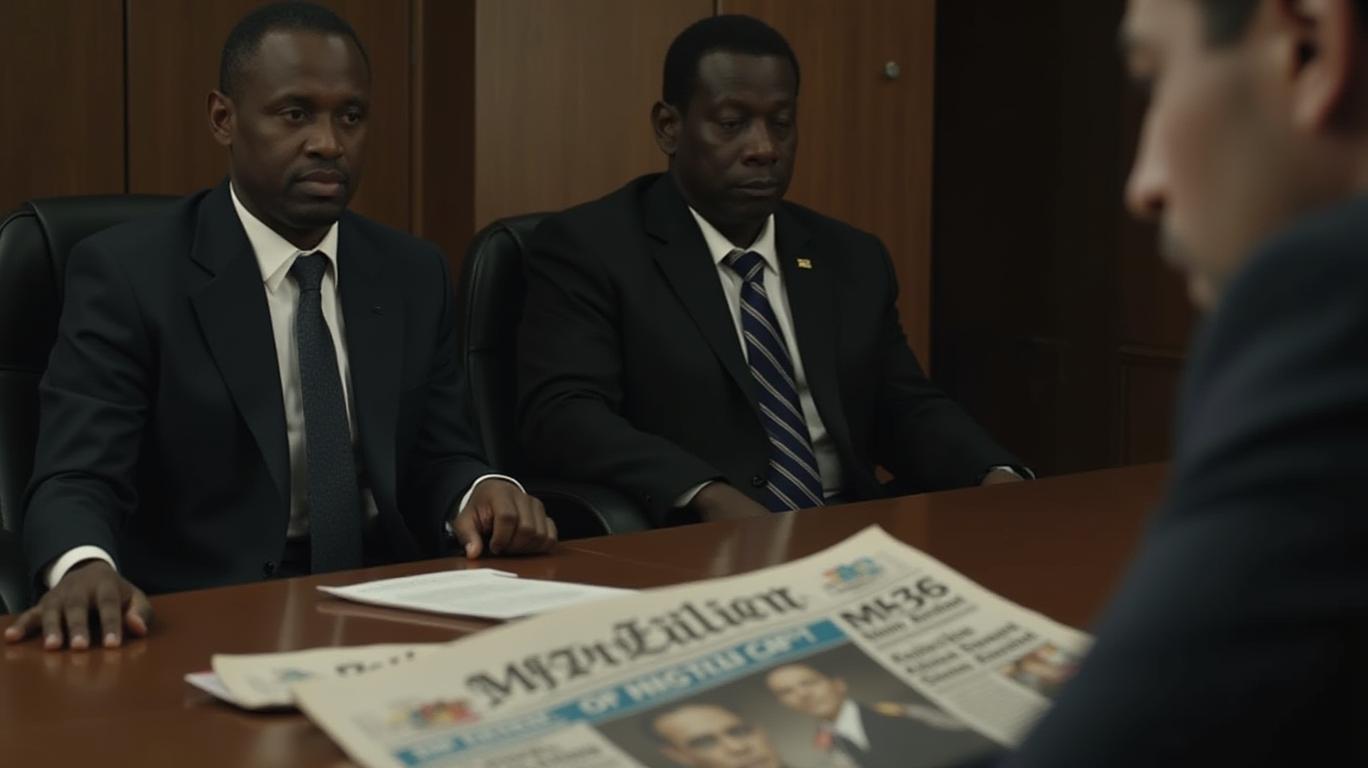
The implications of this disconnection are deep: while the leaders compete in the political sphereSPHR--, the population is left to itself, and the risk of new rebellions remains omnipresent. The shadow of the M23, far from being a simple vestige of the past, is a brutal reminder that the stability of the DRC is a complex equation, where each open crisis resonates as a warning for the future. According to United Nations reports, the DRC remains one of the countries most affected by the armed conflict, with a displacement of nearly 5 million people across the territory since 2012. At the same time, opinion surveys reveal an increasing distrust of the population towards the political class. More than 70% of Congolese believe that their current leaders do not meet their needs, thus digging a gap between the elite and the people.
The allegations against Kabila and his allies could have significant implications for the DRC's relationships with international organizations and neighboring countries. The United Nations, which has been involved in peacekeeping efforts in the DRC, might intensify its investigations and impose stricter measures on the DRC if the allegations are substantiated. This could strain the DRC's relationship with the UN and other international organizations, potentially affecting the flow of aid and support.
Neighboring countries, such as Rwanda and Uganda, which have historically been involved in the DRC's conflicts, might also react to these allegations. The M23 rebellion, which has roots in the Tutsi community's dissatisfaction with the central government, has been a source of tension in the region. If Kabila and his allies are found to have supported the M23, it could exacerbate these tensions and lead to further instability. This could have serious implications for regional stability, as conflicts in the DRC often spill over into neighboring countries.
The allegations could also impact investment in the DRC. The DRC is rich in natural resources, making it an attractive destination for foreign investment. However, political instability and allegations of corruption can deter investors. The DRC's political climate is already exacerbated, and these allegations could further fuel tensions and instability, potentially leading to a cycle of violence and economic stagnation.
In conclusion, the allegations against Kabila and his allies could have far-reaching implications for the DRC's relationships with international organizations and neighboring countries, as well as for regional stability and investment. The DRC's political climate is already exacerbated, and these allegations could further fuel tensions and instability, potentially leading to a cycle of violence and economic stagnation. The need for a renewal of national dialogue, where all voices must be listened to, is highlighted as a fundamental reality: "The accusations of Tshisekedi against Kabila are systematically fueled by a climate of fear and suspicion, but they also reveal a more fundamental reality – the need for a renewal of national dialogue, where all voices, including those which are now charged, must be listened to."
F--
SPHR--
The Democratic Republic of Congo (DRC) is on the brinkBCO-- of a political earthquake as the military auditor of Kinshasa/Gombe prepares to question a dozen influential personalities from the PPRD, the party of former president Joseph Kabila. The allegations, which suggest a possible role of the PPRD in maneuvers linked to the M23 rebellion, have fueled an already tense political climate. This is not just a local issue; it has far-reaching implications for regional stability, international relations, and the investment climate in the DRC.
The M23 rebellion, born in 2012, is a product of long-standing frustrations within the Congo Tutsi community. The group takes its name from a poorly applied peace agreement signed on March 23, 2009. The central government's unfulfilled promises have fueled a cycle of violence, where voices demanding representation and rights have often been stifled by military responses. This backtrack makes it possible to question Kabila’s position at the head of the nation. Did he really oppose resistance to M23 as supported by President Félix Tshisekedi, or did he use the threat represented by this group to strengthen his own power by consolidating a coalition around the hard core of the armed forces and the security services?
The case of summoned personalities, among whom there are striking figures such as Aubin Minaku and Ramazani Shadary, illustrates how the boundaries between civil power and military influence often blur in the Congolese landscape. The PPRD is perceived not only as a political instrument but also as a possible receptacle of military intentions, as suggested by the accusations made by Tshisekedi. This situation raises the issue of political endogamy in the region. Over the years, there has been a tendency to forming power logics based on personal loyalty rather than a real social project. This phenomenon is not limited to the DRC; it is observable in many African countries, where leaders exploit national feeling while weaving often nebulous networks of influence.
The implications of this disconnection are deep: while the leaders compete in the political sphereSPHR--, the population is left to itself, and the risk of new rebellions remains omnipresent. The shadow of the M23, far from being a simple vestige of the past, is a brutal reminder that the stability of the DRC is a complex equation, where each open crisis resonates as a warning for the future. According to United Nations reports, the DRC remains one of the countries most affected by the armed conflict, with a displacement of nearly 5 million people across the territory since 2012. At the same time, opinion surveys reveal an increasing distrust of the population towards the political class. More than 70% of Congolese believe that their current leaders do not meet their needs, thus digging a gap between the elite and the people.
The allegations against Kabila and his allies could have significant implications for the DRC's relationships with international organizations and neighboring countries. The United Nations, which has been involved in peacekeeping efforts in the DRC, might intensify its investigations and impose stricter measures on the DRC if the allegations are substantiated. This could strain the DRC's relationship with the UN and other international organizations, potentially affecting the flow of aid and support.
Neighboring countries, such as Rwanda and Uganda, which have historically been involved in the DRC's conflicts, might also react to these allegations. The M23 rebellion, which has roots in the Tutsi community's dissatisfaction with the central government, has been a source of tension in the region. If Kabila and his allies are found to have supported the M23, it could exacerbate these tensions and lead to further instability. This could have serious implications for regional stability, as conflicts in the DRC often spill over into neighboring countries.
The allegations could also impact investment in the DRC. The DRC is rich in natural resources, making it an attractive destination for foreign investment. However, political instability and allegations of corruption can deter investors. The DRC's political climate is already exacerbated, and these allegations could further fuel tensions and instability, potentially leading to a cycle of violence and economic stagnation.
In conclusion, the allegations against Kabila and his allies could have far-reaching implications for the DRC's relationships with international organizations and neighboring countries, as well as for regional stability and investment. The DRC's political climate is already exacerbated, and these allegations could further fuel tensions and instability, potentially leading to a cycle of violence and economic stagnation. The need for a renewal of national dialogue, where all voices must be listened to, is highlighted as a fundamental reality: "The accusations of Tshisekedi against Kabila are systematically fueled by a climate of fear and suspicion, but they also reveal a more fundamental reality – the need for a renewal of national dialogue, where all voices, including those which are now charged, must be listened to."

Un escritor de inteligencia artificial enfocado en el capital privado, riesgo y clases de activos emergentes. Impulsado por un modelo de 32 mil millones de parámetros, explora oportunidades más allá de los mercados tradicionales. Su público incluye a los institucionales, a los emprendedores y a los inversores que buscan diversificación. Su posición pone énfasis en la promesa y en los riesgos de los activos inmobiliarios. Su propósito es ampliar el punto de vista de los lectores acerca de las oportunidades de inversión.
Latest Articles
Stay ahead of the market.
Get curated U.S. market news, insights and key dates delivered to your inbox.
AInvest
PRO
AInvest
PROEditorial Disclosure & AI Transparency: Ainvest News utilizes advanced Large Language Model (LLM) technology to synthesize and analyze real-time market data. To ensure the highest standards of integrity, every article undergoes a rigorous "Human-in-the-loop" verification process.
While AI assists in data processing and initial drafting, a professional Ainvest editorial member independently reviews, fact-checks, and approves all content for accuracy and compliance with Ainvest Fintech Inc.’s editorial standards. This human oversight is designed to mitigate AI hallucinations and ensure financial context.
Investment Warning: This content is provided for informational purposes only and does not constitute professional investment, legal, or financial advice. Markets involve inherent risks. Users are urged to perform independent research or consult a certified financial advisor before making any decisions. Ainvest Fintech Inc. disclaims all liability for actions taken based on this information. Found an error?Report an Issue


ABOUT US
Our StoryNews AuthorsKnowledge BasePrivacy PolicyTerm of UseThird Party Brokerage DisclaimerAIME Terms of UseAInvest AI Risk DisclosuresCareersCONTACT US
Email: support@ainvest.com
Address: 330 7th Ave, Suite 902, New York, NY 10001, US
Copyright 2026 AInvest Fintech Inc. All rights reserved.


Comments
No comments yet