
U.S. Conducts Major Airstrikes on Iranian Nuclear Sites
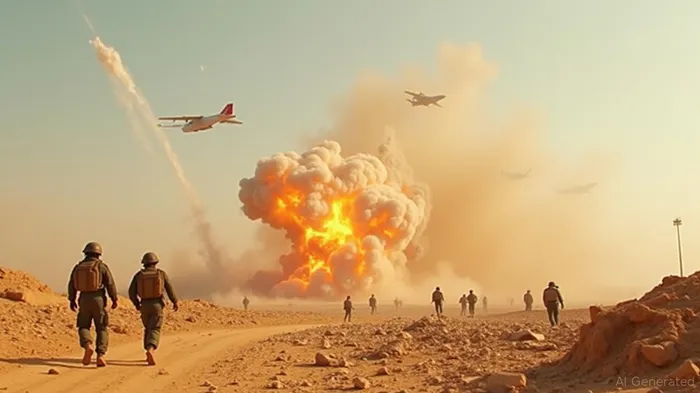
The United States has significantly escalated tensions in the Middle East by conducting major airstrikes on Iranian installations. This sudden military action, confirmed by President Trump, marks a pivotal moment in the ongoing conflict between the U.S. and Iran. The strikes, which began unexpectedly on Friday night, have altered the geopolitical dynamics of the region, despite previous indications that such actions would be delayed.
The U.S. military, in coordination with Israel, targeted three key nuclear sites in Iran: Fordow, Natanz, and Isfahan. These strikes are part of a broader strategy to prevent Iran from developing nuclear weapons, although intelligence reports suggest that Iran is not actively pursuing nuclear weapon development. The U.S. has been strategically positioning military assets in the Middle East in anticipation of potential Iranian retaliation. This includes the deployment of several B-2 bombers to the Pacific and the movement of aircraft carriers and destroyers into the region. The USS Carl Vinson Carrier Strike Group, along with the USS Nimitz, are now in the Arabian Sea and the eastern Mediterranean, respectively. These carrier groups are equipped with advanced fighter jets and air defense systems, including the Terminal High Altitude Area Defense (THAAD) systems deployed in Israel.
The U.S. military presence in the Middle East is substantial, with approximately 40,000 troopsTROO-- currently stationed in the region. This includes ground, air, and naval assets spread across multiple bases in countries such as Bahrain, Kuwait, Qatar, and the United Arab Emirates. The military's buildup is not only a deterrent against Iran but also supports ongoing operations against the Houthis in Yemen. The U.S. has also sent additional air and naval assets to the region, including refueling tankers and fighter jets, to bolster its logistical support.
The escalation in military action has raised concerns about potential retaliation from Iran. Iranian Supreme Leader Ayatollah Ali Khamenei has warned that any U.S. military involvement in the conflict would result in irreparable harm. The U.S. military has been preparing for such eventualities, with troops undergoing training on how to respond to rocket and drone attacks. The recent history of attacks on U.S. bases in the region, including those in Iraq and Syria, underscores the need for heightened vigilance.
The situation in the Middle East remains volatile, with both Israel and Iran exchanging missile strikes. The chaos within Iran has been exacerbated by the targeting of its nuclear sites, which has led to significant internal disruptions. The U.S. military's actions are aimed at preventing Iran from acquiring nuclear capabilities, but the broader implications of this escalation could have far-reaching consequences for regional stability. The U.S. has outlined its intentions clearly, positioning itself alongside Israel in facing down perceived threats. President Trump heralded the strikes as a significant victory, serving a stern warning to Iran about the potential for more forceful assaults should further aggression occur. The jointJYNT-- U.S. and Israeli strategy outlines a strong allied front against perceived nuclear threats.
While these maneuvers meet strategic military objectives, the prospect of Iranian retaliation could further destabilize already volatile markets, which are grappling with ongoing pressure. The global community closely watches potential ripple effects on multiple fronts, from financial markets to international relations. Such military engagements highlight the unpredictable nature of geopolitical events and their broad-reaching implications, urging stakeholders to prepare for further developments.

Stay ahead of the market.
Get curated U.S. market news, insights and key dates delivered to your inbox.






Comments
No comments yet