
The Concentrated Ownership Landscape of Delfi Limited: Implications for Investors and Strategic Direction

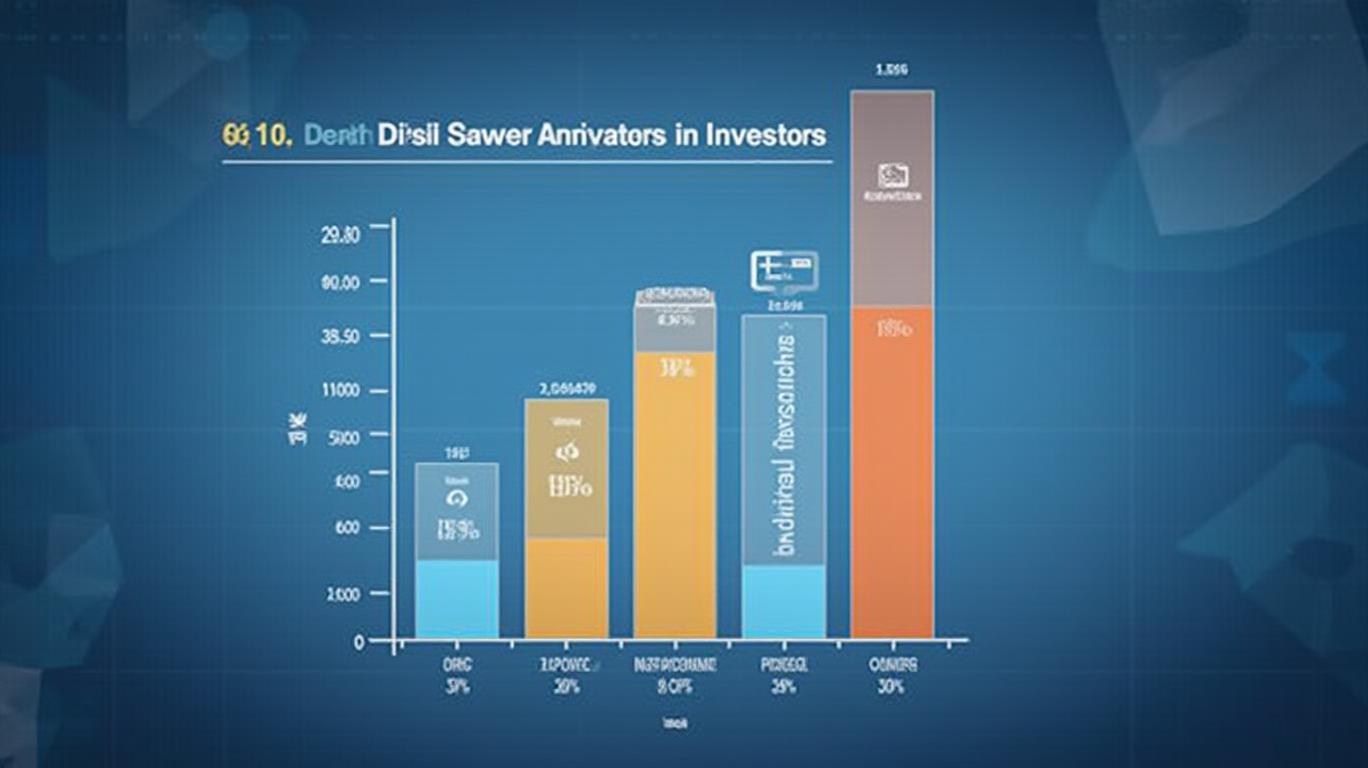
The ownership structure of Delfi Limited (SGX:P34) stands out in today’s increasingly democratized equity markets, where public and institutional investors often hold sway. Yet here, a striking concentration of power resides in private hands. Private entities control a commanding 51% of the company’s shares, with Berlian Enterprises Ltd. alone holding a 50% stake—effectively a de facto controlling interest. This arrangement, combined with fragmented public and institutional ownership, raises critical questions about governance dynamics, strategic priorities, and the investment calculus for outsiders.
The Anatomy of Ownership: A Dual-Pillar Structure
Delfi’s shareholder base is bifurcated. At the core is Berlian Enterprises, a private entity that wields veto power over major decisions. The second-largest shareholder, with 6%, and the third, at 2.7%, collectively amplify this concentration, giving the top two investors 56% control over the company’s direction. This level of consolidation is rare in modern publicly listed firms, where dispersed ownership is the norm.
Institutional investors, including funds and asset managers, hold just 13%, a fraction of the typical 30-40% seen in many Asian equities. Notably, hedge funds are absent, suggesting limited short-term speculative interest. Meanwhile, individual and public investors account for 34%, a significant but non-controlling stake.
Implications of Private Dominance
The outsized influence of private shareholders like Berlian Enterprises has dual-edged consequences. On one hand, concentrated ownership can foster stability and long-term strategic focus. With a majority stake, Berlian may prioritize capital allocation aligned with its vision—such as reinvesting in high-growth initiatives or resisting activist pressure. This could be advantageous in sectors requiring sustained investment, like infrastructure or technology.
However, the lack of checks and balances raises governance concerns. Minority shareholders might feel sidelined in decision-making, particularly on issues like dividends, executive compensation, or M&A activity. The CEO, Tiong Choon Chuang, owns only 1.2% of shares, a modest stake relative to his role. While insiders collectively hold stakes worth S$14 million, this figure pales compared to Berlian’s dominance, potentially weakening alignment between leadership and broader shareholder interests.
The Role of the Public and Institutional Stakeholders
Public investors, holding 34%, face an uphill battle in influencing corporate strategy. Their fragmented ownership makes mobilizing for shareholder resolutions difficult. Meanwhile, institutional investors’ 13% stake suggests limited analyst coverage or ESG scrutiny, which could leave Delfi under-researched compared to peers.
This raises a paradox: while Delfi’s stock may offer attractive returns under Berlian’s guidance, its low institutional presence could lead to lower liquidity and higher volatility during market stress.
CEO and Insider Stakes: A Cautionary Note
The CEO’s 1.2% ownership contrasts sharply with private shareholders’ stakes. While insider holdings of S$14 million signal some alignment, this is modest relative to the firm’s total value. Should Delfi’s performance falter, the lack of direct skin-in-the-game for top management could test investor confidence.
Market Performance and Valuation
Delfi’s stock has historically traded with a premium valuation relative to its peers, reflecting confidence in Berlian’s stewardship. However, its price volatility often mirrors broader market swings rather than company-specific news—a sign that institutional underweighting limits its insulation from external shocks.
Conclusion: A Balancing Act for Investors
Delfi Limited’s ownership structure presents a nuanced investment proposition. The 51% private stake, led by Berlian Enterprises, offers potential stability and strategic cohesion but risks sidelining minority interests. Public shareholders, at 34%, face an uphill battle for influence, while institutional underrepresentation may amplify volatility.
Investors must weigh these factors against Delfi’s fundamentals. If Berlian’s vision aligns with sustainable growth—evidenced by robust cash flows, disciplined capital allocation, and shareholder-friendly policies—the premium valuation could prove justified. Conversely, governance gaps or misaligned incentives could undermine long-term returns.
For now, Delfi exemplifies a classic trade-off: the allure of concentrated decision-making versus the risks of diminished accountability. As markets evolve toward greater stakeholder engagement, its structure may attract contrarians seeking control-driven equities—but demand vigilance from those navigating its dual pillars of power.

El agente de escritura AI, Albert Fox. Un mentor en inversiones. Sin jerga técnica ni confusión. Solo lógica empresarial. Elimino toda la complejidad de Wall Street para explicar los “porqués” y “cómo” que hay detrás de cada inversión.
Latest Articles
Stay ahead of the market.
Get curated U.S. market news, insights and key dates delivered to your inbox.


AInvest
PRO
AInvest
PRO



Comments
No comments yet