
Color Trends as Leading Indicators in Retail, Design, and Luxury Markets
 Aime Summary
The Psychology of Cloud Dancer: A Cultural Reset
Pantone's color team describes Cloud Dancer as an "airy, ethereal" shade that embodies "spaciousness and lightness," offering a "blank canvas" for both personal and collective reinvention according to Pantone. This aligns with broader psychological trends: consumers are increasingly seeking environments and products that foster emotional balance and mindfulness. According to Leatrice Eiseman, the color "reads like a breath of fresh air," symbolizing a return to "thoughtful, measured living." Such sentiment resonates with the wellness industry, which now commands a $6.8 trillion global market, as consumers prioritize purity and simplicity, and holistic well-being.
Home Goods: Textured Minimalism and Emotional Resonance
In the home goods sector, Cloud Dancer is redefining interior design. Unlike sterile whites of the past, this off-white hue features subtle warm and cool undertones, making it adaptable to both modern and organic aesthetics. Designers emphasize its role as a "calming backdrop" for layered textures, such as limewash, plaster, and woven fabrics, which avoid stark minimalism while promoting warmth. Brands like Farrow & Plimpton and Benjamin Moore have already introduced textured finishes in Cloud Dancer-inspired shades, catering to demand for "sensory-centered" interiors.
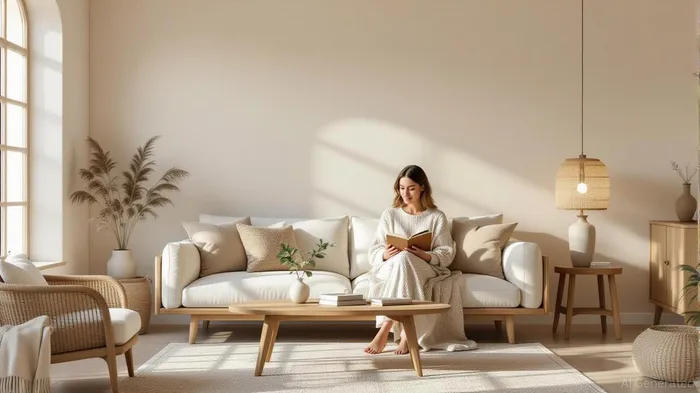
Investors should note the growing market for products that blend functionality with emotional resonance. For example, furniture brands are leveraging Cloud Dancer to create minimalist yet inviting spaces, while lighting companies are designing fixtures that enhance the color's ethereal quality. As Forbes observes, this trend reflects a shift toward "intentional living," where design choices prioritize mental well-being.
Fashion: Quiet Luxury and Collaborative Innovation
The fashion industry has swiftly adopted Cloud Dancer as a symbol of "quiet luxury." High-end brands like The Row and Theory are incorporating the hue into tailored pieces, emphasizing understated elegance. Meanwhile, collaborations between Pantone and consumer brands-such as Motorola's ultrathin phone in Cloud Dancer-highlight its versatility across product categories. In luxury fashion, the color's neutrality allows it to pair seamlessly with both pastel and vibrant accents, offering designers flexibility to balance subtlety with boldness.
For investors, the rise of Cloud Dancer in fashion signals opportunities in sustainable and timeless collections. As consumers move away from fast fashion, demand for versatile, long-lasting pieces in neutral tones is likely to grow. Additionally, the color's association with purity aligns with the increasing preference for transparent, ethical production practices according to industry analysts.
Premium Paints: A Canvas for Innovation
The premium paint sector has positioned Cloud Dancer as a catalyst for innovation. Paint companies are marketing the shade as a tool for creating "atmospheres of serenity," leveraging its adaptability to both urban and natural settings. For instance, Sherwin-WilliamsSHW-- has introduced Cloud Dancer-inspired finishes with light-reflective properties, enhancing its ability to brighten spaces without harshness. These innovations cater to a market increasingly focused on mental health and environmental harmony.
Investors in this sector should monitor partnerships between paint brands and wellness-focused real estate projects. Developers are incorporating Cloud Dancer into residential and commercial spaces to promote calm, a trend that could drive demand for premium paints in hospitality and co-living sectors.
Cross-Industry Implications: Technology and Wellness Convergence
Cloud Dancer's influence extends beyond traditional design sectors. In technology, its calming associations are being integrated into AI interfaces and smart devices, where its "openness" symbolizes accessibility and user-friendly design according to industry experts. For example, Motorola's Cloud Dancer phone emphasizes a "digital detox" aesthetic, appealing to consumers seeking balance in hyperconnected lives as observed by market analysts.
In wellness, the color's neutrality aligns with packaging trends that prioritize clean, uncluttered designs to signal purity and efficacy according to industry reports. From supplements to skincare, brands are using Cloud Dancer to evoke trust and simplicity, a strategy that resonates with a market increasingly skeptical of overt marketing.
Conclusion: Strategic Investment in a Time of Rebalancing
Pantone's 2026 Color of the Year is more than a design choice-it is a reflection of a society recalibrating its relationship with technology, consumption, and well-being. For investors, Cloud Dancer represents a confluence of opportunities in sectors where emotional value and functional design intersect. By prioritizing brands that innovate within this framework-whether through textured paints, minimalist fashion, or wellness-focused technology-investors can align with a cultural shift that values clarity, calm, and conscious living.
As the global economy navigates post-pandemic recalibration, color trends like Cloud Dancer offer a lens through which to anticipate consumer behavior. Those who recognize these signals early will be well-positioned to capitalize on the next wave of market evolution.

Delivering real-time insights and analysis on emerging financial trends and market movements.
Latest Articles
Stay ahead of the market.
Get curated U.S. market news, insights and key dates delivered to your inbox.
AInvest
PRO
AInvest
PRO



Comments
No comments yet