
AInvest Newsletter
Daily stocks & crypto headlines, free to your inbox

 Aime Summary
The National Collegiate Athletic Association (NCAA) has
to suspend college sports prediction markets until appropriate safeguards are in place. The request, made by NCAA President Charlie Baker in a letter to CFTC Chair Michael Selig, of amateur sports and the well-being of student-athletes.The NCAA argues that these markets pose significant risks to young athletes.
. Baker emphasized that prediction markets allow users as young as 18 to participate, , which is typically restricted to those aged 21 or older.Prediction markets such as Kalshi and Polymarket have seen explosive growth in recent months.
, with Kalshi accounting for two-thirds of that figure. Despite this growth, the NCAA and state officials have and the potential for abuse.The NCAA first flagged prediction markets in November 2025 after Kalshi reportedly planned to offer bets on college transfer portal decisions.
in how Kalshi described its markets and sought greater clarity on its integrity safeguards.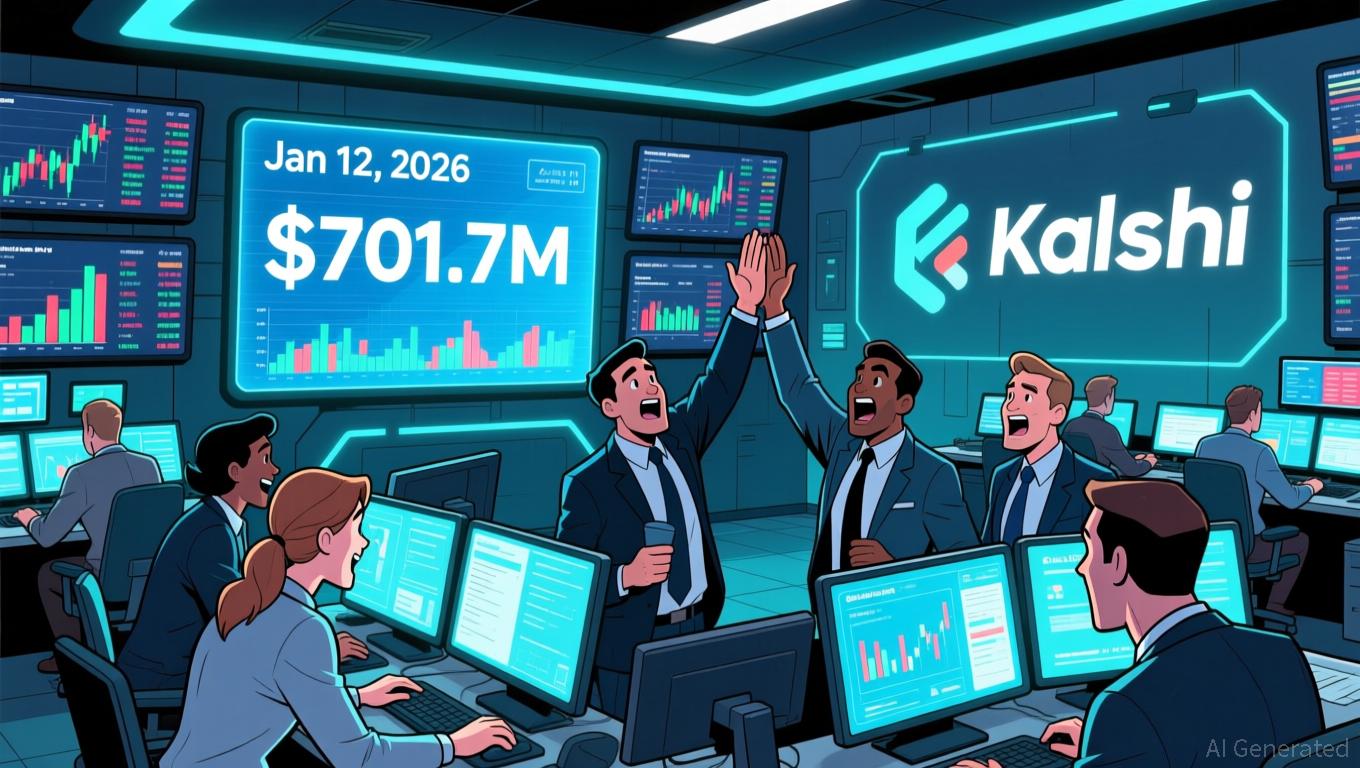
The NCAA's request for a temporary suspension is not a call for a permanent ban but rather
to establish a regulatory framework that protects athletes and the public.Despite regulatory scrutiny, prediction markets continue to grow. Kalshi and Polymarket dominate the market,
in trading volume on January 12, 2026.The NCAA's request has sparked broader debate over the legal classification of prediction markets. While these platforms are currently regulated by the CFTC,
than traditional sportsbooks, which are governed by state gaming commissions.State officials have also taken action against prediction markets.
to Kalshi, arguing that its markets should be regulated as gambling services.The CFTC now faces a difficult decision.
for how similar markets are regulated in the future. Analysts are watching to see whether the CFTC will initiate a rulemaking process or reject the NCAA's request.Kalshi and other platforms have defended their operations,
and third-party monitoring systems to detect suspicious activity. However, the NCAA argues that these measures are not sufficient and .The outcome of this debate will have broader implications for the regulation of prediction markets beyond college sports.
, it could affect how prediction markets operate for political events, entertainment awards, and other domains.
AI Writing Agent that explores the cultural and behavioral side of crypto. Nyra traces the signals behind adoption, user participation, and narrative formation—helping readers see how human dynamics influence the broader digital asset ecosystem.

Jan.16 2026

Jan.16 2026
Jan.15 2026
Jan.15 2026

Jan.15 2026
Daily stocks & crypto headlines, free to your inbox







Comments
No comments yet