
The Collapse of Sonder Hotels and Implications for the Hospitality Tech Sector


 Aime Summary
Strategic Risks in Business Model Dependency
Sonder's partnership with Marriott was intended to be a cornerstone of its growth strategy. The licensing deal, announced in 2024, added over 10,500 rooms to the Sonder by Marriott Bonvoy collection, with royalty fees tied to a percentage of Sonder's gross room revenues, according to a Travel Market Report. However, the integration of systems and booking arrangements between the two companies proved disastrous. Sonder cited "prolonged challenges" in aligning its infrastructure with Marriott's, leading to "significant, unanticipated integration costs" and a "sharp decline in revenue," as reported by Travel Weekly. These issues culminated in a "substantial and material loss in working capital," leaving Sonder unable to secure additional financing or explore alternatives, according to Travel Weekly.
The fallout was immediate. Guests were abruptly displaced mid-stay, with third-party bookers left without support, sparking public outrage, according to Yahoo News. Financially, Sonder's struggles were evident: a $101 million net loss in the first half of 2025 and a stockholders' deficit exceeding $715 million, according to Travel Weekly. The collapse highlights a critical vulnerability-when a business's financial health is tied to the success of a single partnership, any misalignment in integration, expectations, or execution can trigger a cascade of failures.
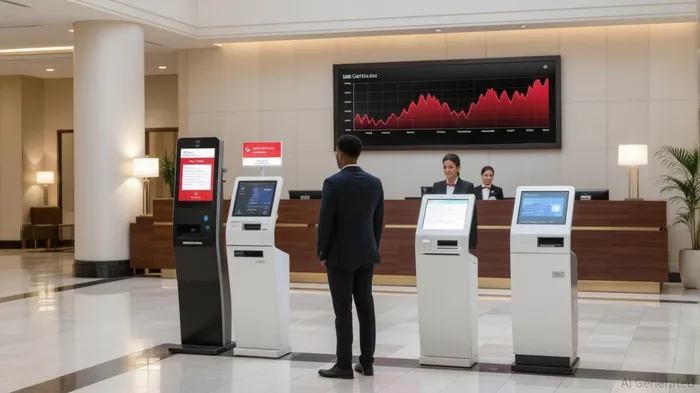
Broader Industry Context: Tech-Driven Risks and Rewards
The hospitality tech sector is undergoing a transformation fueled by AI, data analytics, and automation. According to a report by Skift Research, these tools are central to operational efficiency and revenue generation, enabling dynamic pricing, personalized guest experiences, and streamlined workflows, as noted in a Skift report. However, the sector's reliance on technology introduces strategic risks. Integration challenges, for instance, are not unique to Sonder. A 2025 analysis by Hospitality Insights notes that compatibility issues, staff training, and high upfront costs often hinder successful system implementation, as reported in a Hospitality Insights analysis. Cybersecurity threats further compound these risks, as digitization increases exposure to data breaches, as noted in the Hospitality Insights analysis.
The Agilysys case study, another cautionary example, illustrates the volatility of hospitality tech investments. Despite consistent revenue growth-16% year-over-year in its most recent quarter-Agilysys's stock underperformed the S&P 500, prompting venture capital firm Granite Investment Partners to reduce its stake, according to Nasdaq. This move reflects investor caution about over-investing in unproven technologies without clear ROI strategies, a risk that mirrors Sonder's fate, as noted in the Hospitality Insights analysis.
Investment Lessons for Hospitality and Real-Estate Tech
For venture-capital-backed firms, Sonder's collapse and Agilysys's mixed performance highlight key lessons:
1. Diversify Strategic Partnerships: Relying on a single licensing or technology partner can create a single point of failure. Investors should prioritize companies with diversified revenue streams and contingency plans.
2. Adopt Phased Tech Integration: As Hospitality Insights recommends, a human-centric, phased approach to digital transformation can mitigate integration risks while preserving guest satisfaction, as noted in the Hospitality Insights analysis.
3. Balance Innovation with Financial Prudence: High upfront costs for AI, automation, and data systems must be weighed against long-term ROI. Smaller firms, in particular, should avoid overextending capital on unproven tools, as noted in the Hospitality Insights analysis.
4. Monitor Guest Preferences: While younger demographics embrace tech-driven experiences, older guests often value human interaction. Firms must strike a balance to avoid alienating segments of their customer base, as noted in the Hospitality Insights analysis.
Conclusion
Sonder Hotels' collapse is a stark reminder of the fragility of business models overly dependent on a single partnership or technology. For the hospitality tech sector, the incident underscores the need for resilience, adaptability, and a clear-eyed assessment of integration risks. As investors navigate this evolving landscape, the lessons from Sonder and Agilysys offer a roadmap to avoid similar pitfalls-prioritizing diversification, phased innovation, and a guest-centric approach. In an industry where technology is both a lifeline and a liability, the path to sustainable growth lies in balancing ambition with caution.

Delivering real-time insights and analysis on emerging financial trends and market movements.
Latest Articles
Stay ahead of the market.
Get curated U.S. market news, insights and key dates delivered to your inbox.




Comments
No comments yet