
CoinMarketCap Faces Phishing Scam After Malicious Popup
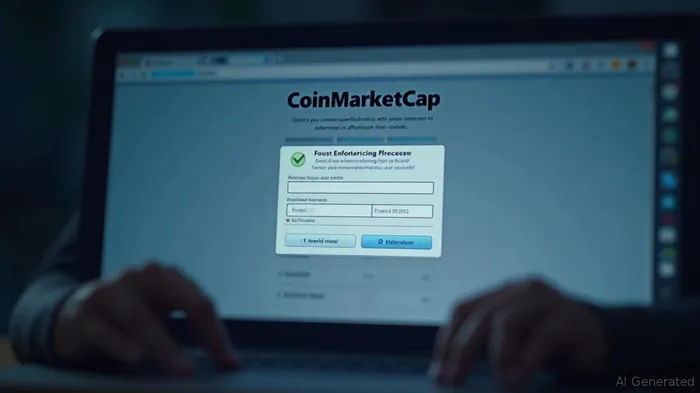
CoinMarketCap, a leading platform for tracking cryptocurrency prices, recently faced a security incident involving a malicious popup on its website. The deceptive alert prompted users to "Verify Wallet," which many users quickly identified as a phishing scam. The platform's staff promptly responded by issuing a warning on their official X (formerly Twitter) page, advising users not to connect their wallets. They later confirmed that the malicious code had been identified and removed, although an ongoing investigation and security enhancements are still in progress.
The false popup mimicked a standard verification message, requesting users to link their wallets and grant permission to access ERC-20 tokens. This action, if executed, would have allowed hackers to steal crypto assets. Users on X, such as Auri, highlighted that the popup was designed to deceive individuals into granting account access. Popular crypto wallet extensions like MetaMask and Phantom quickly detected the issue, warning users against interacting with the compromised page. The front end of CoinMarketCap was compromised, displaying the malicious popup that prompted users to "verify wallet."
CoinMarketCap's swift response prevented the situation from escalating further. The malicious software was removed within three hours of its identification, demonstrating the platform's proactive approach to security. However, the incident serves as a reminder of the increasing prevalence of crypto phishing scams and the need for users to remain vigilant.
This is not the first security issue CoinMarketCap has faced. In October 2021, the site was hacked, resulting in the leak of over 3.1 million email addresses. The hack was confirmed by Have I Been Pwned, a website that monitors data breaches. The latest scam underscores the vulnerability of even reputable websites to phishing attacks, emphasizing the importance of double-checking before clicking on wallet links or popups.
CoinMarketCap's security issue comes at a time when internet security is under significant threat. A recently discovered breach has exposed more than 16 billion login credentials from various websites, including GoogleGOOG--, AppleAAPL--, GitHub, and Telegram. Researchers indicate that the leak consists of 30 unique data sets found on open cloud servers and Elasticsearch databases, making it one of the largest leaks in history. Experts warn that crypto users are particularly vulnerable, as hackers often use leaked credentials to gain access to wallets and exchanges.
In response to the incident, users are advised to avoid clicking on any popups asking for wallet verification and to refrain from approving token permissions unless they are absolutely sure of the source. Trusted browser extensions like MetaMask or Phantom can help identify susceptible websites. Regularly changing passwords and enabling two-factor authentication (2FA) wherever possible are also recommended security measures.
Such malicious activities are used to steal details by hackers. The stolen data or crypto is then used for laundering, DEX and cross-chain bridges, using unregulated platforms for trading, and selling stolen data. This results in monetary loss for individuals and a loss of trust and confidence in the platform. Crypto is an evolving space, but it comes with its own set of risks. Users are advised to stay cautious, stay informed, and never connect their wallets without verifying them properly.

Stay ahead of the market.
Get curated U.S. market news, insights and key dates delivered to your inbox.






Comments
No comments yet