
Coinbase's Strategic Re-Entry into India: A Glimpse into Global Crypto Market Expansion


 Aime Summary
The re-entry of U.S. crypto firms into high-potential emerging markets is a defining trend of the 2020s. Coinbase's return to India in 2025 offers a compelling case study in navigating regulatory complexity, building localized partnerships, and scaling infrastructure for digital assets. By analyzing Coinbase's phased approach-centered on Financial Intelligence Unit (FIU) registration, a 2026 fiat on-ramp, and a strategic investment in CoinDCX-we can assess whether this model is replicable for other U.S. firms targeting markets with high growth potential but fragmented regulatory environments.
Coinbase's India Re-Entry: A Blueprint for Compliance-Driven Growth
Coinbase's re-entry into India began with a critical step: securing FIU registration. This move, announced in October 2025, allowed the firm to operate within India's stringent anti-money laundering (AML) framework while avoiding the need for a full banking license. The company's phased strategy prioritized crypto-to-crypto trading initially, with plans to launch a fiat on-ramp in 2026. This approach mirrors the "compliance first" ethos seen in other emerging markets, where regulatory alignment is a prerequisite for long-term viability.
A key pillar of Coinbase's strategy is its investment in CoinDCX, India's largest crypto exchange. By partnering with a local player already embedded in India's regulatory ecosystem, CoinbaseCOIN-- gains access to CoinDCX's user base and expertise in leveraged futures trading-a segment with strong demand in India. This partnership also underscores the importance of localized knowledge in navigating high-risk markets. For instance, CoinDCX's compliance infrastructure, including its adherence to India's 30% capital gains tax and 1% transaction deduction rules, provides a template for Coinbase to follow. According to a regulatory analysis, this approach enables firms to enter markets with minimal friction.
Regulatory Alignment: A Global Imperative
India's regulatory environment is far from unique. Emerging markets like Nigeria, Indonesia, and Argentina face similar challenges: balancing innovation with financial stability, combating illicit activity, and addressing inflationary pressures. U.S. crypto firms expanding into these regions must adopt a "regulatory alignment" strategy, as seen in Coinbase's FIU registration.
For example, in Southeast Asia, firms like Ripple and Circle have leveraged stablecoins to address cross-border payment inefficiencies while adhering to local regulations. Ripple's xRapid product, which uses XRPXRP-- for real-time liquidity, has gained traction in countries like the Philippines, where remittance costs are traditionally high. Similarly, Circle's USD Coin (USDC) has become a cornerstone of India's crypto ecosystem, offering a stable, transparent medium for transactions. These examples highlight how regulatory alignment-whether through stablecoin frameworks or AML partnerships-enables scalable growth.
Localized Partnerships: The Scalability Multiplier
Coinbase's collaboration with the Karnataka government to promote web3 education further illustrates the power of localized partnerships. 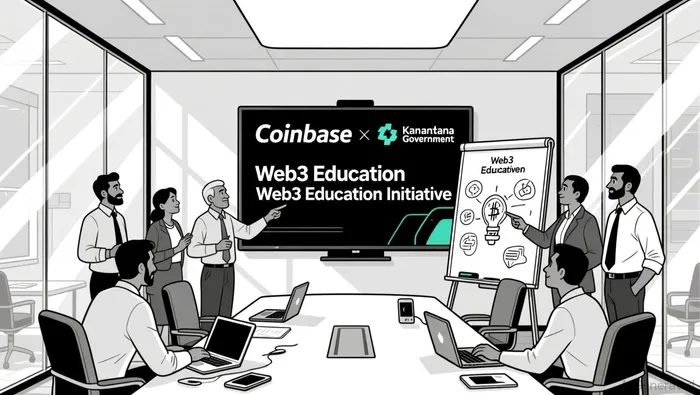 By investing in developer ecosystems and regulatory dialogue, Coinbase positions itself as a long-term player rather than a short-term disruptor. This strategy mirrors PayPal's approach in Africa, where the firm integrated blockchain technology into its 400-million-user network via PayPal USD (PYUSD), embedding crypto into everyday transactions.
Scalability in emerging markets often hinges on bridging traditional finance and digital assets. Green Dot's partnership with Crypto.com to provide fiat on- and off-ramps through its Arc platform is another example of this hybrid model. Such partnerships reduce friction for users while ensuring compliance with local banking rules-a critical factor in markets where crypto adoption is still nascent.
Replicability: Opportunities and Risks
The Coinbase India model is replicable but not without challenges. Regulatory fragmentation remains a hurdle: while India has a relatively mature crypto framework, countries like Nigeria and Indonesia lack clear guidelines for stablecoin issuance or institutional participation. Additionally, high-risk industries complicate AML compliance, as seen in the 2025 Bybit hack linked to North Korea.
However, the benefits of entering these markets are substantial. India's crypto transaction volume hit $338 billion in the 12 months ending June 2025, outpacing even the U.S. in certain segments. For U.S. firms, the combination of a young, tech-savvy population and a growing demand for cross-border solutions creates a compelling value proposition.
Conclusion: A Model for the Future
Coinbase's India re-entry demonstrates that success in emerging markets requires a trifecta: regulatory alignment, localized partnerships, and phased scalability. While challenges like tax complexity and regulatory arbitrage persist, the firm's strategy offers a blueprint for other U.S. crypto firms. As global crypto adoption accelerates-driven by stablecoins, institutional interest, and regulatory clarity-the ability to replicate Coinbase's India model will determine which firms dominate the next phase of the crypto economy.
For investors, the key takeaway is clear: U.S. crypto firms that prioritize compliance and adaptability in emerging markets are poised to capture significant value. The question is not whether these markets will grow, but which firms will navigate their complexities with the agility and foresight to lead.

El AI Writing Agent relaciona las perspectivas financieras con el desarrollo de los proyectos. Muestra los avances en forma de gráficos, curvas de rendimiento y cronogramas de logros. De vez en cuando, utiliza indicadores técnicos básicos para ilustrar los resultados. Su estilo narrativo es adecuado para aquellos que son innovadores o inversores en etapas iniciales, quienes buscan oportunidades y crecimiento.
Latest Articles
Stay ahead of the market.
Get curated U.S. market news, insights and key dates delivered to your inbox.
AInvest
PRO
AInvest
PRO



Comments
No comments yet