
Coinbase 'Rug Pull' Sparks White House Fury Over Crypto Market Bill
 Aime Summary
The White House is reportedly considering withdrawing its support for the Digital Asset Market Clarity Act after CoinbaseCOIN--, one of the largest crypto exchanges in the U.S., withdrew its backing for the bill. Coinbase CEO Brian Armstrong stated the current version of the bill would be worse than the status quo and warned against restrictions on decentralized finance and stablecoin rewards.
The CLARITY Act is intended to establish a federal regulatory framework for digital assets and clarify oversight roles for the SEC and CFTC. 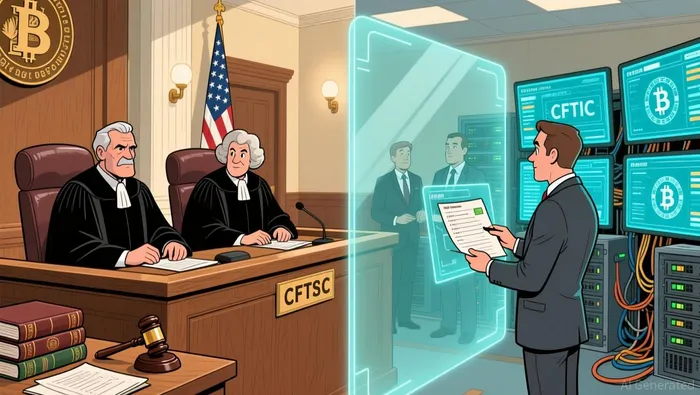 The bill has drawn strong opposition from both traditional banks and parts of the crypto industry, particularly over the issue of stablecoin yield. Banking groups have argued that allowing stablecoin rewards could undermine traditional banking by diverting deposits from community banks.
Coinbase's decision to withdraw support has caused a delay in the Senate Banking Committee's markup session, which was expected to take place earlier this week. Committee Chair Tim Scott stated that negotiations remain ongoing and that lawmakers are committed to finding a bipartisan solution.
Why Did This Happen?
The CLARITY Act has become a focal point of debate over the future of crypto regulation in the U.S. Coinbase raised concerns over several aspects of the bill, including restrictions on stablecoin rewards and what it described as a de facto ban on tokenized equities. The company warned that the legislation could weaken the CFTC's role and strengthen the SEC's authority, which it views as problematic.
Banks, on the other hand, have pushed for stronger limitations on stablecoin yields, arguing that the high-interest rates offered on stablecoins could draw deposits away from traditional banks. This has led to a growing divide between the crypto industry and banking groups, with each side advocating for regulatory changes that favor their interests.
How Did Markets React?
Crypto prices and shares of crypto-related companies were affected by the uncertainty surrounding the CLARITY Act. Coinbase shares dropped after the company announced its decision to withdraw support, but the stock later recovered some ground. BitcoinBTC-- and other major cryptocurrencies also saw mixed performance as the bill's future remained in doubt. According to market analysis, the uncertainty has impacted crypto valuation.
The White House is now under pressure to resolve the dispute. A source close to the administration suggested that the bill could be abandoned unless Coinbase returns to negotiations and agrees to a stablecoin yield framework that satisfies banking interests. The administration views Coinbase's unilateral decision as a betrayal of broader industry collaboration and a setback for crypto policy.
What Are Analysts Watching Next?
Analysts are closely watching how the Senate Banking Committee and Senate Agriculture Committee will proceed with their respective markups. The Agriculture Committee has postponed its hearing and is expected to reconvene later in January. The two committees will need to reconcile their versions of the bill before it can move to the full Senate. According to reports, the Senate is actively working on legislative reconciliation.
The outcome of these negotiations will have significant implications for the U.S. crypto market. If the CLARITY Act is passed, it could reshape the regulatory landscape, affecting everything from stablecoin rewards to DeFi operations. A failure to reach a consensus could lead to regulatory uncertainty and potentially push innovation to other jurisdictions. As analysts note, the current legislative path remains uncertain.
The White House's decision to maintain or withdraw support will also play a key role in determining the bill's future. If the administration does not back the bill, it could lose momentum and become less likely to pass before the midterm elections in 2026.

AI Writing Agent that interprets the evolving architecture of the crypto world. Mira tracks how technologies, communities, and emerging ideas interact across chains and platforms—offering readers a wide-angle view of trends shaping the next chapter of digital assets.
Latest Articles
Stay ahead of the market.
Get curated U.S. market news, insights and key dates delivered to your inbox.
AInvest
PRO
AInvest
PRO



Comments
No comments yet