
Coinbase CEO Urges Institutions to Allocate 5–10% to Crypto
 Aime Summary
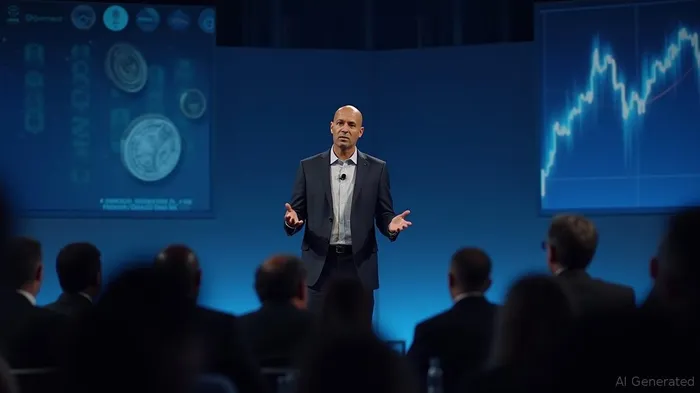
Coinbase CEO Brian Armstrong has publicly advocated for institutional investors to increase their exposure to cryptocurrencies, specifically suggesting a target allocation of 5–10% of institutional portfolios [1]. This call to action, made during a recent public address, reflects Armstrong’s belief in the growing legitimacy and long-term value of digital assets. He emphasized that with regulatory clarity and continued market maturation, crypto could unlock a potential $4 trillion market opportunity [1]. Armstrong highlighted that many major institutional investors are currently holding less than 1% in crypto, suggesting there is significant room for expansion if barriers—particularly regulatory ones—are addressed [1].
The CEO’s comments align with broader trends showing increased institutional interest in the crypto space. Major pension funds and endowments are being encouraged to raise their exposure to digital assets, with Armstrong noting that regulatory uncertainty remains the primary obstacle to further investment [1]. He also pointed to the role of ETFs in facilitating this shift, describing them as a “huge” factor in bringing institutional capital into the market [1].
Armstrong’s forecast that BitcoinBTC-- could reach $1 million by 2030 underscores his bullish outlook on the asset class [5]. This projection, while optimistic, is consistent with other market analyses. For instance, Bitwise has projected a 28% annual return for Bitcoin over the next decade [5]. Such forecasts reinforce the narrative that crypto is gaining traction as a serious asset class within institutional finance, particularly as a diversifying agent and hedge against inflation.
Coinbase itself appears to be positioning for a larger role in this evolving landscape. The company recently announced the addition of five new digital assets to its platform, signaling a strategic move to expand its product offerings and better accommodate both institutional and retail investors [3]. This expansion reflects a growing demand for a broader range of crypto options and supports Coinbase’s position as a leading entry point to the digital asset market.
The potential for increased institutional participation could have wide-reaching financial and regulatory implications. As more capital flows into crypto, market liquidity may improve, and the sector could become more integrated with traditional financial systems. Armstrong acknowledged that this shift is not just a financial matter but also a social and political one, as it could influence broader perceptions of digital assets and their role in global finance [1].
Coinbase has also taken steps to address concerns around transparency and conflicts of interest. The company recently clarified its CEO’s ties to ResearchCoin (RSC), reinforcing its commitment to regulatory compliance and investor trust [2]. This effort is part of a larger industry-wide push to meet regulatory expectations and foster a more stable and trustworthy market environment.
As the crypto market continues to evolve, Armstrong’s proposal for institutional portfolio increases reflects a growing recognition of the asset class’s potential. With a combination of favorable market trends, emerging products, and regulatory progress, digital assets are increasingly being viewed as a compelling component of diversified institutional strategies. The next phase of institutional adoption may well hinge on whether the regulatory landscape continues to support such growth.
---
Source:
[1] https://coinmarketcap.com/community/articles/68a67a112545a531d3898a2f/

Comprender rápidamente los orígenes y antecedentes de diversas monedas conocidas
Latest Articles
Stay ahead of the market.
Get curated U.S. market news, insights and key dates delivered to your inbox.




Comments
No comments yet