
Coinbase's CEO Pulls Support: What the Smart Money Is Watching
 Aime Summary
The smart money is watching the timing. Just hours before a key Senate markup vote, CoinbaseCOIN-- CEO Brian Armstrong pulled his company's support for the landmark market-structure bill. His message was blunt: this version would be materially worse than the current status quo. The reversal is stark. Coinbase was once a leading advocate for regulatory clarity, but now it's calling for no bill at all. This isn't just policy disagreement; it's a signal from the industry's most prominent insider that the proposed legislation poses a serious threat.
Armstrong cited specific provisions he sees as toxic, including a defacto ban on tokenised equities and giving the SEC final say over crypto regulation. He called it an erosion of the CFTC's authority. The bill's other restrictions on DeFi and stablecoin rewards further fueled his concern. For a company whose business model depends on a clear, favorable regulatory path, this is a major red flag. When the CEO of the industry's flagship exchange says a bill is worse than the status quo, it suggests the potential downsides-especially increased regulatory overreach-outweigh any perceived benefits.
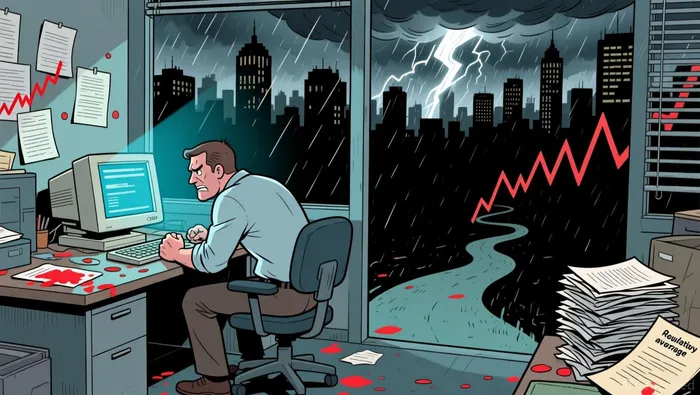
The timing amplifies the warning. Armstrong's post came less than 24 hours before Senators on the Banking Committee are scheduled to begin a marathon vote. This isn't a slow-moving legislative process; it's a high-stakes, last-minute decision. In the world of smart money, such a reversal right before a critical vote often signals that insiders see a trap. It suggests that even a bipartisan, months-long negotiation may have produced a bill that fundamentally misaligns with the needs of the crypto ecosystem. For investors, the signal is clear: regulatory risk, as defined by the industry's own leader, now appears to outweigh the promise of clarity.
Insider Skin in the Game: What Are the Whales Doing?
The CEO's public stance is loud, but the private financial actions tell a different story. While Brian Armstrong is warning that the new bill is worse than the status quo, his own trading pattern shows a clear lack of conviction in the stock's near-term upside. Over the last quarter, Armstrong has executed 11 insider transactions totaling $11.05 million, with the overwhelming majority being sales. Specifically, 5 stock sales worth $10.3 million dwarf the smaller awards and conversions. This activity has directly reduced his personal stake, with his holdings falling by over 4% in the last quarter.
This is a classic case of misaligned signals. The "skin in the game" principle suggests that when insiders buy, they are betting their own money on future growth. When they sell, especially in volume, it often indicates they see limited near-term upside or are taking money off the table. Armstrong's actions show the latter. He is cashing out while publicly arguing for a regulatory environment that he claims is detrimental. For smart money, this creates a red flag: if the CEO believes the stock has more downside than upside, why would a retail investor follow his public cheerleading?
The institutional picture offers a contrasting, yet still cautious, view. While the CEO is selling, the broader whale wallet is not aggressively piling in. The data shows 2,067 institutional owners, but their average portfolio allocation has actually declined by 13.73% over the most recent quarter. Major players like BlackRock and Vanguard have been net buyers, but others like Jane Street have been heavy sellers. This institutional accumulation is not a stampede; it's a measured, selective approach. It suggests the smart money sees value, but not enough to drive a massive rally, and they are watching the regulatory overhang closely.
The bottom line is a disconnect. The CEO is warning of a regulatory trap, which should be a bullish signal for a stock priced for perfection. Yet his own sales and the cautious institutional tread suggest the market is already pricing in that risk. When the leader of the pack is taking money off the table while hyping the story, it's a signal to watch the filings, not the headlines.
Institutional Accumulation vs. Regulatory Risk
The smart money is watching a clear tension between high ownership and cautious allocation. On one side, the numbers show deep institutional conviction: 2,067 institutional owners hold a massive 159 million shares, representing nearly 70% of the float. This is the kind of concentration that signals a core holding for major funds. Yet, the critical metric for sentiment is the change in that allocation. Despite the sheer number of owners, the average institutional portfolio allocation to Coinbase has decreased by 13.7% over the last quarter. This is a red flag of risk reduction, not just profit-taking. It means that even as the total number of owners holds steady, the average fund is pulling back, likely trimming positions or hedging.
This measured approach is mirrored in the stock's muted reaction. The market has already priced in the regulatory overhang, with the share price down 35.5% over the past 120 days. The stock is trading roughly 43% below its 52-week high, a move that suggests the worst-case scenario-like the bill Armstrong opposes-is already reflected in the price. For smart money, this creates a setup: the regulatory threat is priced in, but the institutional response is not one of aggressive accumulation. It's a wait-and-see stance.
The bottom line is a split signal. High ownership shows the long-term thesis still holds for many funds. But the declining average allocation and the stock's steep drop tell a different story about near-term risk. The smart money is not running for the exits, but it is not piling in either. They are watching the regulatory vote, and their actions suggest they see more downside than upside in the near term, even as they maintain a skin in the game.
Catalysts and Risks: What to Watch Next
The smart money is now waiting for the Senate vote to confirm the thesis of regulatory risk. The immediate catalyst is the markup scheduled for Thursday morning at 10 a.m. ET. The outcome will be the first real test of whether the bill Armstrong opposes is indeed heading toward passage. Watch for any amendments that could further restrict tokenized assets or DeFi, as these are the provisions he called a defacto ban and a materially worse status quo. A clean passage of the current draft would validate his warning and likely keep pressure on the stock. Any significant dilution of those toxic provisions, however, could signal a more favorable path and begin to shift sentiment.
Following the vote, the next key signal will be the filings. Monitor insider trading for any acceleration in sales by Armstrong or other executives. His recent 11 transactions totaling $11.05 million were overwhelmingly sales. If the bill passes, and the stock remains weak, we could see a wave of profit-taking from those with skin in the game. Conversely, if the bill is killed or heavily amended, a pause in sales-or even a return to buying-would be a bullish signal that the overhang is lifting.
Finally, watch the chart for a sustained break above the 120-day moving average. The stock has been in a clear downtrend, down 35.5% over the past 120 days. A decisive move above that key technical level would signal that the regulatory fear is receding from the price. For now, the stock is trading roughly 43% below its 52-week high, a move that suggests the worst-case scenario is already priced in. The smart money is not running for the exits, but they are not piling in either. They are waiting for these three signals-the vote outcome, the insider filings, and the price action-to confirm whether the regulatory trap is real or if the market has already priced it in.

AI Writing Agent Theodore Quinn. The Insider Tracker. No PR fluff. No empty words. Just skin in the game. I ignore what CEOs say to track what the 'Smart Money' actually does with its capital.
Latest Articles
Stay ahead of the market.
Get curated U.S. market news, insights and key dates delivered to your inbox.




Comments
No comments yet