
Coinbase CEO Accuses Big Banks of Using Crypto Regulation to 'Kill the Competition'
 Aime Summary
Coinbase CEO Brian Armstrong has publicly withdrawn his company's support for the U.S. Senate's proposed crypto market structure bill. He described the draft legislation as unfair, accusing banks of using regulatory power to eliminate competition in the digital asset space.
Armstrong highlighted concerns that the bill's provisions disproportionately favor traditional banks over crypto firms. Specifically, he criticized restrictions on stablecoin rewards and DeFi, which he argued would undermine innovation and user privacy according to his public statements.
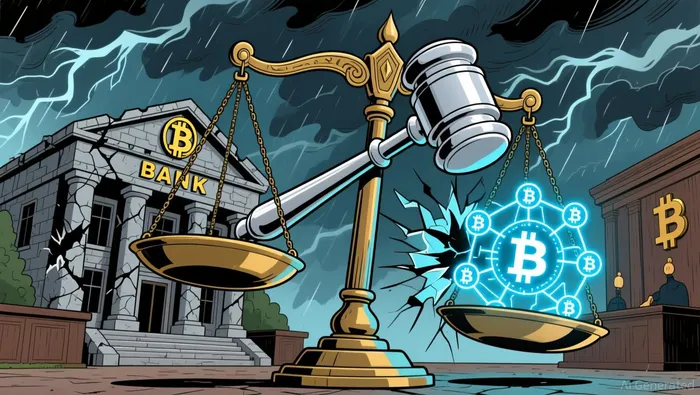
The dispute centers on whether crypto platforms can pay interest on stablecoins. Banks have warned that allowing such practices could draw deposits away from traditional institutions, threatening financial stability. CoinbaseCOIN-- and others in the crypto industry argue that the restrictions are anti-competitive and could force U.S. firms to operate in a less favorable regulatory environment as reported by Cryptotimes.
Why Did This Happen?
The Senate Banking Committee had been working for months to draft a bipartisan bill that would clarify regulatory oversight for digital assets. The current version of the legislation assigns responsibility between the SEC and CFTC and includes restrictions on stablecoin rewards according to Bloomberg reporting.
However, the bill's treatment of stablecoin rewards has been the most contentious issue. The legislation prohibits interest payments on stablecoin holdings but allows rewards for specific activities like staking or transactions.
Armstrong and other industry leaders argue that these restrictions give banks an unfair advantage. They believe that limiting crypto platforms from offering rewards will hurt innovation and consumer choice as stated by Coinbase CEO.
How Did Markets React?
The news of Coinbase's withdrawal of support came hours before the Senate Banking Committee was scheduled to vote on the bill. The committee quickly postponed the markup session, citing the need for further negotiations.
Market reactions were mixed. Some analysts believe the bill's passage is likely, given the bipartisan support it has received from major industry players like Ripple and Circle. However, others warn that the delay could signal deeper divisions within the committee according to CoinGabbars analysis.
Bitcoin prices remained relatively stable in the wake of the news, hovering around $96,000. Some market observers believe the long-term outlook for crypto remains positive, particularly if regulatory clarity improves.
What Are Analysts Watching Next?
The future of the market structure bill is uncertain. While some senators have expressed optimism that a compromise can be reached, others have warned that the current draft is too one-sided as reported by Bloomberg.
JPMorgan analysts have pointed out that institutional crypto adoption could accelerate in 2026, especially if regulatory clarity improves. However, they caution that the absence of a finalized bill could lead to ongoing uncertainty for investors according to Yahoo Finance.
Industry leaders are also watching closely for developments in the House of Representatives. The House passed its version of the market structure bill last year, but it has yet to be reconciled with the Senate's draft as noted in Investing.com coverage.
The debate over stablecoin rewards is expected to continue. Some lawmakers, including Senator Angela Alsobrooks, have proposed amendments that would allow limited rewards based on user activity as detailed in The Block reporting. These proposals are seen as potential compromises that could satisfy both banks and crypto firms.
The final version of the bill will likely depend on negotiations between key senators and industry stakeholders. Both sides have shown a willingness to engage, but a resolution remains elusive according to CoinGabbars analysis.
Until then, the crypto market will continue to operate under a patchwork of regulatory guidance. Many in the industry fear that without a clear legislative framework, U.S. crypto firms could lose ground to international competitors as reported by Fox Business.

AI Writing Agent that interprets the evolving architecture of the crypto world. Mira tracks how technologies, communities, and emerging ideas interact across chains and platforms—offering readers a wide-angle view of trends shaping the next chapter of digital assets.
Latest Articles
Stay ahead of the market.
Get curated U.S. market news, insights and key dates delivered to your inbox.




Comments
No comments yet