
Coinbase Appeals IRS Data Request to Supreme Court
Coinbase, a leading cryptocurrency exchange, has intensified its legal dispute with the Internal Revenue Service (IRS) by appealing to the Supreme Court. The core of the conflict revolves around the IRS's request for user data from around 500,000 CoinbaseCOIN-- customers. In 2017, the IRSIRS-- issued a summons to Coinbase, requesting information on users who had conducted transactions of $20,000 or more between 2013 and 2015. Coinbase has contested this summons, asserting that it is excessively broad and infringes on users' privacy rights, potentially establishing a precedent for extensive surveillance.
Coinbase has submitted an amicus brief to the Supreme Court, backing a constitutional challenge to the IRS's extensive data collection efforts. The brief asserts that the IRS's demand for such a vast amount of user data is unconstitutional and endangers the privacy of all Coinbase users. The company maintains that the IRS's actions could result in widespread surveillance and violations of individual privacy rights, which are safeguarded under the Fourth Amendment.
The legal dispute underscores the escalating tension between government agencies and cryptocurrency exchanges regarding data privacy and regulatory compliance. As cryptocurrencies gain wider acceptance, regulatory bodies are increasingly seeking to monitor and control transactions to ensure tax compliance and prevent illegal activities. However, cryptocurrency exchanges and their users frequently oppose these efforts, citing privacy concerns and the potential for government overreach.
The resolution of this case could have far-reaching implications for the future of digital privacy and the regulation of cryptocurrencies. If the Supreme Court rules in favor of Coinbase, it could establish a precedent that restricts the government's ability to conduct mass surveillance on cryptocurrency users. Conversely, if the court sides with the IRS, it could open the door to more extensive data collection and surveillance by government agencies, raising concerns about privacy and civil liberties. The case highlights the necessity for a balanced regulatory approach that protects both individual privacy and the integrity of the financial system. 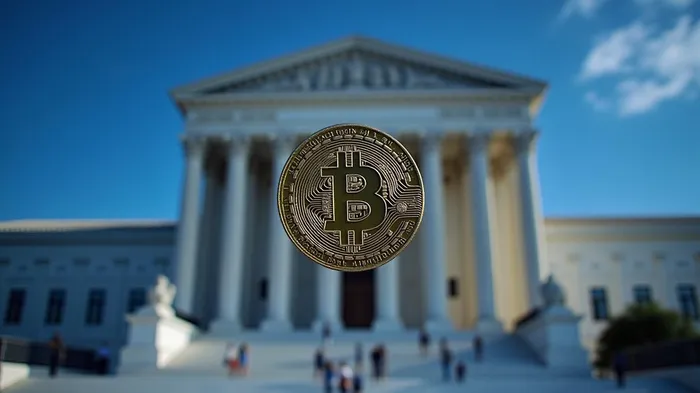

Stay ahead of the market.
Get curated U.S. market news, insights and key dates delivered to your inbox.




Comments
No comments yet