
Cocoa Market Volatility in West Africa: Navigating Supply Chain Disruptions and Policy Interventions
 Aime Summary
Supply Chain Disruptions: Port Congestion and Transport Permit Restrictions
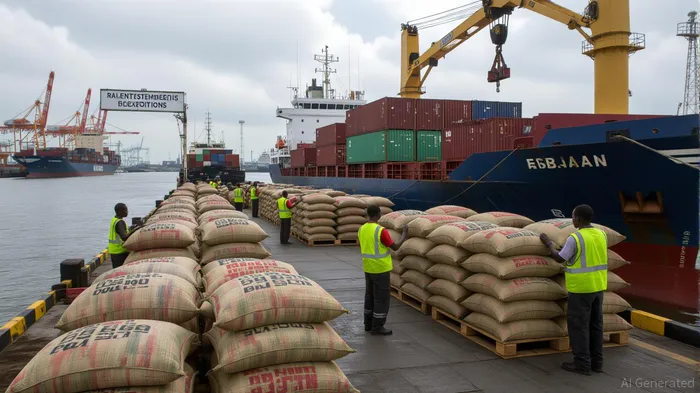
Ivory Coast's cocoa exports have faced significant headwinds this year. Deliveries to ports during the new marketing year (October 1–November 8, 2025) fell by 9% compared to the same period in 2024, exacerbating port congestion in Abidjan and San Pedro. To address this, the Ivory Coast Coffee and Cocoa Council (CCC) implemented transport permit restrictions, limiting cocoa shipments based on factory and port unloading capacities. While these measures aim to reduce delays and ensure farmers receive the guaranteed farmgate price of 2,800 CFA francs per kilogram, they have also led to a 30% drop in cocoa arrivals at factories compared to the previous year.
The restrictions have had mixed effects. On one hand, they have curtailed prolonged sales delays that previously forced farmers to sell at discounted prices. On the other, they have contributed to a projected 1.3 million-ton output for the 2025/26 season-a decline from 1.7 million tons three years ago. Compounding these challenges, poor-quality cocoa stocks due to mold and swollen shoot disease have led exporters to reject up to 65% of shipments, further straining supply chains.
Global Surplus Forecasts and Market Sentiment
The International Cocoa Organization (ICCO) has revised its global surplus forecasts downward for the 2024/25 season, now estimating a surplus of 49,000 metric tons (MT) compared to an initial projection of 142,000 MT in February 2025. This adjustment reflects weaker-than-expected production growth and declining grinding activity, with global bean grindings dropping 4.3% year-on-year to 4.6 million tons. Meanwhile, Ghana's projected 8.3% output increase for 2025/26 and Latin American producers like Ecuador gaining market share are adding layers of complexity to the supply-demand balance.
Despite these surplus forecasts, cocoa prices remain above historical averages, supported by tighter inventories and quality concerns. For instance, poor harvest conditions in Ivory Coast's mid-crop have raised fears of lower-quality beans, while the CCC's stock checks and export purchase restrictions aim to stabilize the market.
Investor Positioning: Bearish Pressures and Structural Shifts
Investor behavior has been shaped by a mix of bearish and bullish signals. Funds have increased their net-short positions in London cocoa to a four-year high, reflecting concerns over weak global demand. Europe and Asia, key consumption hubs, saw Q3 grindings decline by 4.8% and 17%, respectively, in 2024, driven by high prices and tariffs dampening chocolate consumption.
 However, structural shifts are also influencing investor strategies. The European Union's EUDR regulations and growing consumer demand for premium, certified cocoa are reshaping supply chains, while Latin American producers are gaining traction with fine-flavor cocoa and agroforestry practices. These trends highlight the importance of traceability and sustainability in long-term value creation.
Strategic Implications for Investors
For cocoa-linked assets, the interplay between regulatory actions, cash flow constraints, and global supply dynamics demands a nuanced approach. While Ivory Coast's transport restrictions and quality issues pose short-term risks, they also create opportunities for investors prioritizing quality and compliance. The CCC's policy interventions-such as export license allocations to 109 companies and cooperatives for the 2025/26 season-signal efforts to stabilize the market, though reliance on commodity exports remains a vulnerability.
Investors should also monitor the 2025/26 season's production outlook, which faces challenges from aging cocoa trees, climate variability, and disease outbreaks like Cocoa Swollen Shoot Virus (CSSV). With West African output projected to decline by 10% due to weather-related and agronomic issues, global supply dynamics will remain highly sensitive to seasonal outcomes.
Conclusion
The cocoa market in West Africa is at a crossroads. While Ivory Coast's supply chain disruptions and global surplus forecasts create near-term uncertainties, structural shifts toward sustainability and quality offer long-term resilience. For investors, the key lies in balancing short-term volatility with strategic positioning in markets prioritizing traceability, premium cocoa, and policy-driven stability. As the 2025/26 season unfolds, close monitoring of production trends, regulatory actions, and global demand will be essential to navigating this dynamic sector.

Delivering real-time insights and analysis on emerging financial trends and market movements.
Latest Articles
Stay ahead of the market.
Get curated U.S. market news, insights and key dates delivered to your inbox.


AInvest
PRO
AInvest
PRO



Comments
No comments yet