
Coca Cola Donald Trump Sparks Debate Over Potential Shift to Cane Sugar in U.S.
 Aime Summary
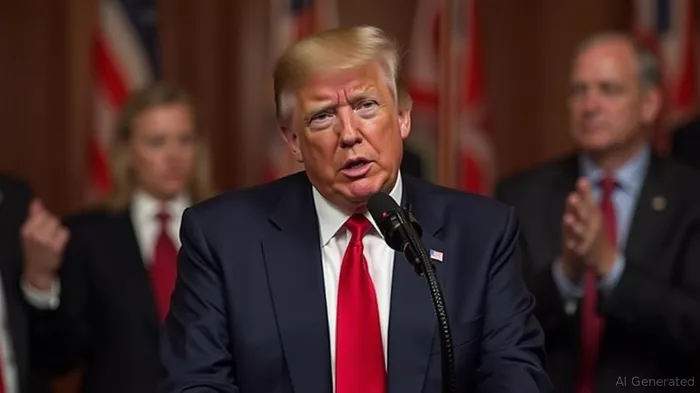
In recent statements, Donald Trump announced that Coca-ColaKO-- is considering a switch from high-fructose corn syrup to real cane sugar in the production of its flagship soft drink sold in the United States. Trump asserted that this change was prompted by discussions he held with Coca-Cola, despite the company not confirming these claims explicitly.
Trump, utilizing his social media platform, claimed that this move would align Coca-Cola’s production more closely with its practices in various countries such as Mexico, where cane sugar is already a standard ingredient. Coca-Cola, while expressing appreciation for Trump's interest in their iconic brand, refrained from confirming a specific shift to cane sugar, instead mentioning that more details on innovative offerings would be revealed soon.
The discussion stems from broader health policy initiatives that have been gaining traction, namely the 'Make America Healthy Again' initiative, which aims to push food companies to reconsider the ingredients used in their product formulations. High-fructose corn syrup, a common sweetener in the U.S. due to its cost-effectiveness, has been under scrutiny due to perceived health concerns and the broader movement toward reducing artificial ingredients in foods.
The potential change has generated considerable concern within the agricultural sector, particularly among corn producers who rely heavily on the demand for corn syrup from major food manufacturers like Coca-Cola. The Corn Refiners Association has voiced strong opposition to replacing high-fructose corn syrup with cane sugar, arguing that such a move could negatively impact American manufacturing jobs, farm incomes, and the trade balance, all while debunking nutritional improvements.
Coca-Cola’s historical transition to using corn syrup in the U.S. market was driven by economic factors, as the rising price of sugar led companies to seek more cost-effective alternatives in the 1980s. Although the beverage giant did not explicitly tie food formulations to political discourse, their ongoing efforts in diversifying their product range and reducing sugar content were emphasized in past statements by CEO James Quincey.
This potential ingredient shift mirrors an ongoing consumer trend towards natural sweeteners and clean labels, which is further amplified by political advocacy under the current administrative policies. However, Trump’s push to integrate real cane sugar in Coca-Cola’s domestic production poses a complex challenge, as it conflicts with existing tariffs and subsidies that traditionally benefited the corn and beet sugar industries.
Corn industry representatives warn that altering the sweetener preference in major consumer goods could disrupt current market dynamics, impact longstanding agricultural policies, and lead to increased sugar imports, potentially outpacing domestic sugar production capabilities. These potential outcomes have rekindled debates over the economic feasibility and broader implications of adjusting ingredient sources in food manufacturing.
Despite the potential economic and trade ramifications, the issue highlights an intersection between public health initiatives, global market practices, and regional agricultural policies. Stakeholders in the food production chain remain attentive to further announcements from Coca-Cola regarding ingredient sourcing and product formulation strategies. The debate continues to unfold as industry leaders, policymakers, and consumers weigh the benefits and consequences of such a transition.

Stay ahead of the market.
Get curated U.S. market news, insights and key dates delivered to your inbox.
AInvest
PRO
AInvest
PRO



Comments
No comments yet