
CNBC Market Rally: Why Stocks Are Up Today Amid Geopolitical Shifts
 Aime Summary
- US stocks surged after Iran signaled potential willingness to negotiate an end to the war, easing global energy market fears.
- Market expectations have shifted from potential rate cuts to a possible rate hike by the Federal Reserve, causing a 180-degree change in investor sentiment.
- Elevated inflation and high valuations may lead to disappointing future returns for the S&P 500, prompting a focus on quality stocks and alternative assets.
- Today’s stock market rally is driven by a mix of geopolitical developments and a recalibration of Federal Reserve expectations. Investors are watching closely as the market recalibrates to new risks and opportunities. The shift in sentiment is reflected in major indices like the S&P 500 and Nasdaq Composite, which are seeing significant gains.
Why Is the Stock Market Up Today Amid Rising Tensions?
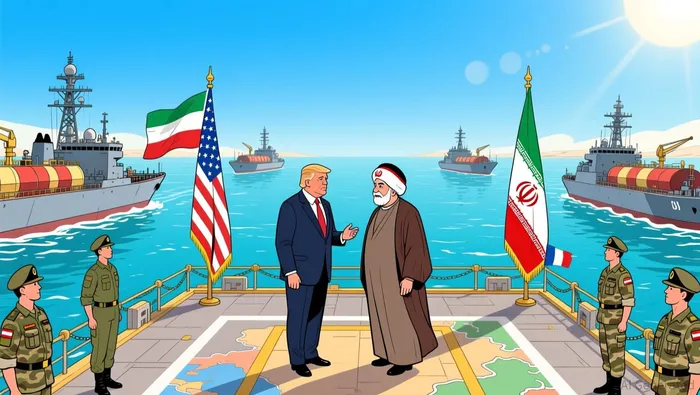
Investors are reacting to a combination of geopolitical developments and evolving expectations about the Federal Reserve’s policy. While tensions in the Middle East have persisted for weeks, recent statements from the Iranian president and US President Trump have signaled a potential path toward de-escalation. Iran reportedly has “the necessary will to end this war,” according to regional media, and is seeking guarantees in return for cooperation. Meanwhile, Trump has indicated he is willing to end the conflict without a full reopening of the Strait of Hormuz, a critical global energy chokepoint.
This news has eased concerns about oil prices spiking further, with crude oil prices dropping after the market interpreted these signals as a move toward peace. , , . These gains reflect the market’s relief that the war may be nearing a resolution, even if uncertainty remains about the final outcome.
Why Are Stocks Rising on Expectations of a Fed Rate Hike?
Market expectations have shifted dramatically in recent months from a potential rate cut to the possibility of a rate hike by the Federal Reserve. This reversal has been driven by concerns about inflation, , and the economic implications of prolonged uncertainty. Some analysts argue that rate hikes may not be appropriate in all inflationary contexts, particularly those caused by supply shocks like the ongoing geopolitical conflict.
This shift in expectations has led to a recalibration of market positioning, with investors factoring in higher borrowing costs and potential slower economic growth. The result is a mixed reaction: while stocks have risen in the short term on signs of geopolitical progress, the longer-term outlook remains uncertain as the market grapples with the potential for a rate hike and its implications for an economy on the brink of recession.
What to Watch for in the Coming Weeks: Oil Prices, Federal Reserve Signals, and Market Reactions
As the situation in the Middle East continues to evolve, investors should keep a close eye on several key factors. First, oil prices will remain a critical barometer of global economic health. If Iran’s control over the Strait of Hormuz persists, energy prices could remain elevated, putting pressure on inflation and consumer spending.
Second, the Federal Reserve’s stance will continue to shape market expectations. If the Fed signals a rate hike, it could trigger another wave of volatility, particularly for markets that have become accustomed to accommodative monetary policy. Finally, investors should monitor how the market reacts to news about corporate earnings, geopolitical developments, and inflationary pressures.
In the short term, the market appears to be reacting positively to the news that a resolution to the war may be in sight. However, the longer-term outlook depends on how these dynamics unfold and whether the market can adapt to the new reality of higher borrowing costs and geopolitical uncertainty.

Stay ahead of the market.
Get curated U.S. market news, insights and key dates delivered to your inbox.


AInvest
PRO
AInvest
PRO



Comments
No comments yet