
Climate Resilience Infrastructure: Unlocking Opportunities in Energy-Vulnerable Regions


 Aime Summary
The Case for Grid Modernization: A Post-Wyoming Imperative
The U.S. Department of Energy's Grid Modernization Initiative (GMI) has long emphasized the fragility of aging infrastructure, particularly in regions prone to extreme weather events. According to GMI reports, the Wyoming outages, occurring amid a backdrop of intensifying climate-driven disruptions, highlight the consequences of underinvestment in grid resilience. According to a Deloitte Insights report, global electricity demand is projected to surge by 150% by 2050, compounding the strain on existing systems. This creates a compelling case for utilities prioritizing digital upgrades, such as advanced sensors and AI-driven asset management, to prevent cascading failures.
Renewable Integration and Energy Equity: Twin Pillars of Resilience
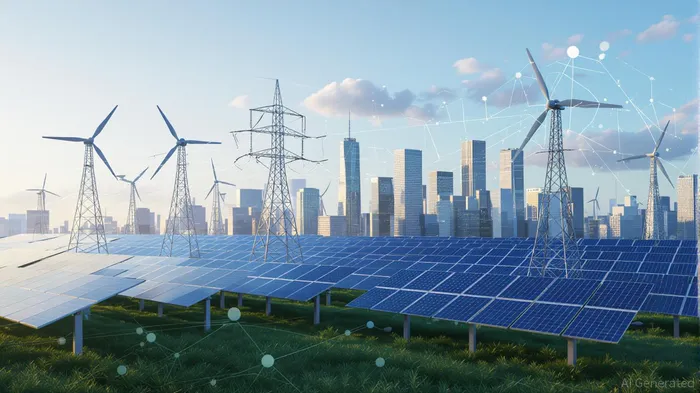
The GMI's work in Puerto Rico offers a blueprint for integrating (DERs) to stabilize vulnerable grids. Similarly, Wyoming's renewable potential-particularly in wind and geothermal energy-could be harnessed to diversify its energy mix and reduce reliance on fossil fuels. However, as Deloitte notes, modernization must also address energy equity, ensuring that low-income and rural communities, often the hardest hit by outages, gain access to reliable, affordable power. This dual focus on technology and social inclusion is attracting capital to companies that align grid upgrades with clean energy transitions.
Investment Opportunities: Utilities and Clean Energy Stocks in Focus
The circuit breaker market, a critical component of grid modernization, is projected to grow from USD 21.61 billion in 2025 to USD 28.36 billion by 2030. This trend signals strong demand for infrastructure upgrades, particularly in regions like Wyoming, where climate resilience gaps are now in the spotlight. Regional utilities such as PacifiCorp (a subsidiary of Berkshire Hathaway) and clean energy developers like NextEra Energy are well-positioned to benefit from federal incentives and private-sector funding directed toward hardening grids against extreme weather.
Moreover, partnerships between tech firms and utilities are unlocking new value. For instance, the collaboration between IFS and Siemens to deploy AI-driven grid solutions demonstrates how operational efficiency gains can reduce costs while accelerating renewable integration. Investors should monitor companies leveraging such innovations, as they are likely to outperform in a sector increasingly shaped by climate risk.
Conclusion: A Strategic Window for Impact-Driven Investing
The Wyoming outages serve as a wake-up call for policymakers and investors alike. As climate resilience becomes a non-negotiable priority, energy-vulnerable regions present a unique opportunity to deploy capital where it is most needed. By targeting utilities and clean energy firms that combine grid modernization with equitable access, investors can align financial returns with societal impact-a rare convergence in today's market.

Delivering real-time insights and analysis on emerging financial trends and market movements.
Latest Articles
Stay ahead of the market.
Get curated U.S. market news, insights and key dates delivered to your inbox.
AInvest
PRO
AInvest
PRO



Comments
No comments yet