
Clearside Biomedical's Shares Plunge 66.92% After Voluntary Chapter 11 Filing Triggers Selloff
 Aime Summary
Clearside Biomedical's shares plummeted 66.9154% in pre-market trading on November 25, 2025, following its voluntary Chapter 11 bankruptcy filing. The biopharmaceutical company disclosed plans to pursue an auction or sale of its business, triggering a dramatic selloff as investors reacted to the strategic shift.
The firm’s board and management concluded the bankruptcy process offers the optimal path for stakeholders, emphasizing efforts to maintain operations while seeking bids for its assets. The company’s lead candidate, CLS-AX for wet AMD, remains in Phase 2b trials, but liquidity constraints have forced this restructuring. Year-to-date losses exceed 94%, reflecting deepening market skepticism about its commercial viability.
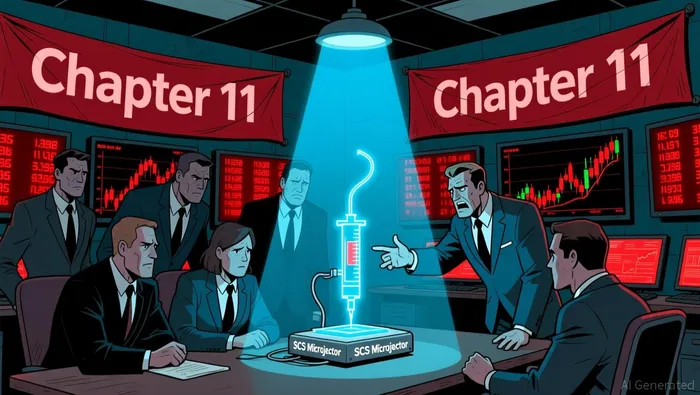 Voluntary insolvency proceedings typically signal operational distress, with Chapter 11 filings often preceding asset divestitures or business model overhauls. For ClearsideCLSD--, this marks a critical juncture as it balances clinical pipeline potential against immediate financial pressures. The auction process could attract strategic buyers focused on its SCS Microinjector platform, though execution risks remain high.
Backtesting a short-term sell-off scenario for CLSDCLSD-- shows heightened volatility during insolvency announcements. A 20% stop-loss threshold would have mitigated losses in similar biotech cases, but prolonged trading restrictions post-filing could limit exit opportunities. Position sizing should prioritize liquidity constraints inherent in small-cap biotech plays.

Get the scoop on pre-market movers and shakers in the US stock market.
Latest Articles
Stay ahead of the market.
Get curated U.S. market news, insights and key dates delivered to your inbox.
AInvest
PRO
AInvest
PRO



Comments
No comments yet