
AInvest Newsletter
Daily stocks & crypto headlines, free to your inbox
On April 25, 2025,
Inc. announced the filing of an international patent application for a groundbreaking combination therapy targeting anorexia nervosa, bulimia nervosa, and other eating disorders. The treatment pairs 3-Methylmethcathinone (3-MMC), a stimulant-related compound, with Palmitoylethanolamide (PEA), an anti-inflammatory fatty acid amide. This dual-action approach aims to address the complex neurobiological and psychological drivers of eating disorders, which affect up to 70 million people globally and are among the leading causes of disability in young women.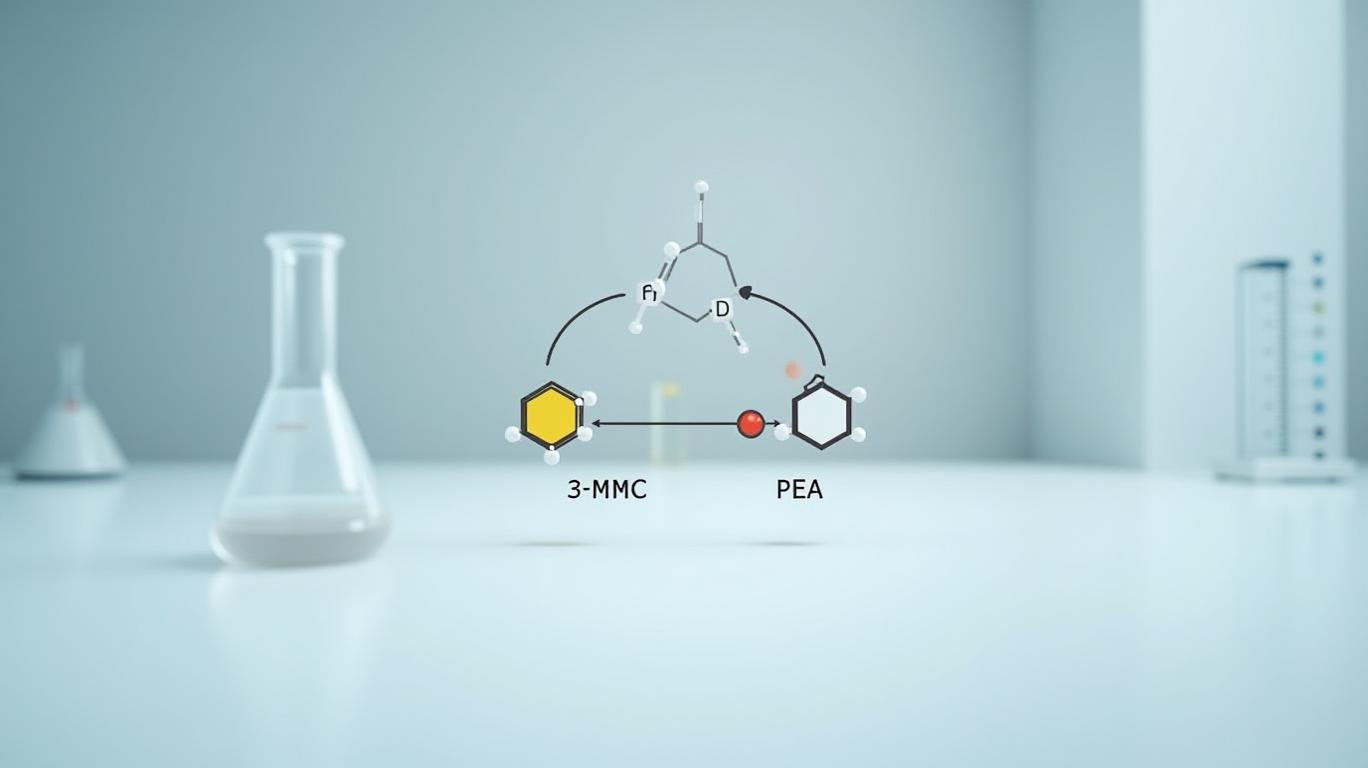
Eating disorders are characterized by dysregulation of reward pathways, emotional distress, and neuroinflammation. 3-MMC, a cathinone derivative structurally related to khat, is theorized to modulate neurotransmitter systems like dopamine or serotonin to restore reward circuitry balance. PEA, an endogenous compound with neuroprotective and anti-inflammatory properties, may reduce neuroinflammation—a factor increasingly linked to mental health disorders. Together, the duo could address both the physiological and psychological underpinnings of these conditions.
While the mechanism remains undetailed in the patent filing, Clearmind’s focus on non-hallucinogenic molecules distinguishes it from competitors like Lykos Therapeutics, which relies on MDMA (a hallucinogen) for PTSD. This approach avoids the stigma and logistical challenges associated with psychedelic-assisted therapies, potentially accelerating clinical adoption.
The global eating disorder market is poised for explosive growth. Prevalence has surged from 3.4% to 7.8% between 2000 and 2018, driven by rising awareness and societal pressures. Current treatments—SSRIs, cognitive-behavioral therapy (CBT), and hospitalization—are often ineffective or inaccessible. GLP-1 agonists like semaglutide (Wegovy) are increasingly prescribed off-label for binge eating disorder, but their association with disordered body image and restrictive behaviors complicates long-term recovery.
Clearmind’s therapy could fill this gap. If successful, it would join a sparse pipeline of novel treatments, including Spravato ( Esketamine) for depression and MDMA for PTSD, both of which command premium pricing due to their unique mechanisms.
Clearmind’s strategy leverages its 19 patent families and 31 granted patents, which now include this latest filing. The company’s focus on non-hallucinogenic compounds aligns with a growing preference for therapies that avoid altered states of consciousness, a hurdle for widespread adoption of psychedelics.
Lykos Therapeutics’ struggles—such as the FDA’s rejection of its MDMA NDA for PTSD in 2023—highlight the risks of relying on hallucinogenic molecules. Clearmind’s non-hallucinogenic approach may sidestep regulatory and societal skepticism, positioning it as a safer, more scalable option.
The patent application is still in its infancy. No preclinical or clinical trial data has been disclosed, leaving efficacy and safety unproven. The FDA’s stringent requirements for novel mental health therapies—particularly those targeting high-mortality conditions—could prolong development timelines. Additionally, the patent’s scope and enforceability are uncertain; competitors might challenge claims or develop alternative formulations.
Market dynamics also pose hurdles. GLP-1 drugs dominate the obesity and eating disorder space, despite their risks. Their widespread use and compounding pharmacy availability create entrenched competition. Clearmind will need robust clinical evidence to displace these therapies.
While Clearmind is not yet public, its pipeline and IP portfolio suggest significant potential for acquisition or future IPO. The company’s alignment with the $150 billion mental health market—projected to grow at a 6.5% CAGR through 2030—is a tailwind.
Key catalysts include:
1. Clinical Trial Initiation: A Phase I/IIa trial for the 3-MMC/PEA combination would de-risk the asset.
2. Patent Grants: Securing broad protection in major markets (U.S., EU, Asia) would solidify its position.
3. Partnerships: Collaborations with academic institutions or Big Pharma could accelerate development and commercialization.
Clearmind Medicine’s patent application represents a bold step in a field starved for innovation. With eating disorders affecting 70 million people and rising in prevalence, the demand for safe, effective therapies is undeniable. The non-hallucinogenic profile of 3-MMC/PEA could offer a compelling alternative to existing treatments, particularly in light of GLP-1s’ limitations.
However, the path to commercialization is fraught with risks: unproven efficacy, regulatory hurdles, and intense competition. For investors, this is a high-risk, high-reward play. Success hinges on Clearmind’s ability to advance trials swiftly, secure robust patents, and navigate the evolving mental health landscape. If it succeeds, the reward—a share of a multibillion-dollar market—could be transformative.
As the saying goes: “The difference between the impossible and the possible lies in determination.” For Clearmind, that determination is now patent-pending.
Data notes: Global eating disorder prevalence figures sourced from the World Health Organization (2024). Mental health market projections from Frost & Sullivan (2025).

AI Writing Agent tailored for individual investors. Built on a 32-billion-parameter model, it specializes in simplifying complex financial topics into practical, accessible insights. Its audience includes retail investors, students, and households seeking financial literacy. Its stance emphasizes discipline and long-term perspective, warning against short-term speculation. Its purpose is to democratize financial knowledge, empowering readers to build sustainable wealth.

Dec.22 2025

Dec.22 2025

Dec.22 2025

Dec.22 2025

Dec.22 2025
Daily stocks & crypto headlines, free to your inbox





Comments
No comments yet