
The Clean Label Revolution: Navigating the Dairy Industry's Shift to Natural Ingredients and Its Investment Implications
The food and beverage industry is undergoing a seismic shift as consumers increasingly demand transparency and "clean label" products—items free from artificial additives, synthetic dyes, and obscure ingredients. Nowhere is this trend more evident than in the dairy sector, where companies are racing to eliminate artificial dyes by 2028, driven by regulatory pressure and a cultural push for healthier, more natural foods. This transition presents both risks and opportunities for investors, with early adopters poised to capture premium pricing and market share while laggards face reputational and compliance headwinds.
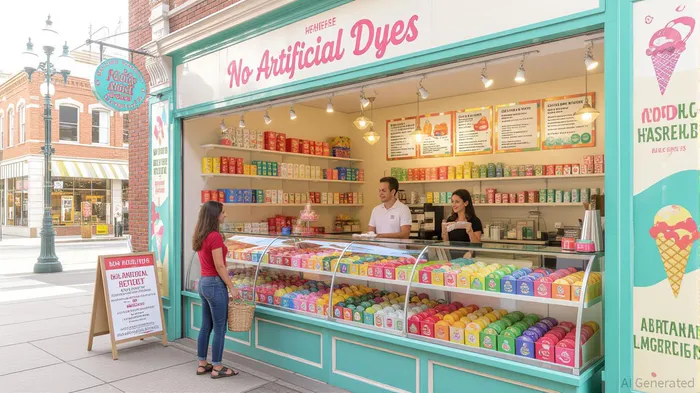
Regulatory Drivers: The FDA's MAHA Initiative and State-Level Pressure
The U.S. Food and Drug Administration (FDA) has accelerated its "Make America Healthy Again" (MAHA) initiative, targeting petroleum-based synthetic dyes for removal by 2026. Key artificial colors like Red 40, Yellow 5, and Blue 1 are slated for phase-out, with natural alternativesNAII-- like butterfly pea flower extract and gardenia blue gaining traction. State laws are compounding this pressure: California bans these dyes in school foods by 2027, while West Virginia's 2025 law prohibits their sale entirely. The International Dairy Foods Association (IDFA) has responded by rallying 90% of U.S. ice cream manufacturers to eliminate seven synthetic dyes by December 31, 2027, a move that aligns with federal and state mandates while avoiding a fragmented regulatory landscape.
Market Dynamics: Consumer Demand and ESG Imperatives
The shift to clean labels is not merely regulatory—it's a response to evolving consumer preferences. A 2024 Nielsen report found that 64% of U.S. consumers prioritize "natural" or "organic" claims when shopping, with younger demographics (Gen Z and millennials) driving this demand. For the dairy industry, this means reformulating products like ice cream, yogurt, and flavored milk to appeal to health-conscious buyers. Companies like Nestlé and General Mills have already begun replacing artificial dyes with plant-based alternatives, leveraging their R&D capabilities to maintain taste and color while complying with regulations.
Early adopters are reaping rewards. Dairy Giant Co., for example, reported a 12% sales uplift in its clean-label ice cream line since 2023, while laggards face reputational risks. A recent lawsuit against a regional dairy for misleading "all-natural" labeling underscores the legal perils of complacency.
The Ice Cream Sector: A Case Study in Transition
The ice cream industry epitomizes the clean label shift. The IDFA's 2027 commitment has forced companies to innovate rapidly. Major players like Ben & Jerry's (Unilever) and Häagen-Dazs (Nestlé) are transitioning to botanical extracts and fruit-based dyes, while smaller brands like Bluebell Creameries are leveraging local sourcing to market their products as "pure" and "traditional."
The transition isn't without challenges. Natural colorants can be costlier and less stable than synthetics, requiring investment in supply chain infrastructure. Companies like Kraft Heinz have partnered with ingredient suppliers to secure stable, affordable natural dye sources, a strategic move that could pay dividends as compliance deadlines loom.
Investment Themes: Where to Look
- R&D in Natural Alternatives: Companies with robust R&D pipelines for natural colorants and flavors—such as DuPont Nutrition & Biosciences (part of CortevaCTVA-- Agriscience)—are critical suppliers to the clean label trend.
- ESG Leadership: Firms with strong ESG profiles, particularly those voluntarily exceeding regulatory deadlines, will attract socially conscious investors. Nestlé and Danone have already positioned themselves as leaders here.
- Supply Chain Agility: Companies that secure access to natural ingredients (e.g., butterfly pea flowers or gardenia extracts) will gain a competitive edge. Monitor firms with partnerships in sustainable agriculture.
- Premium Pricing Power: Brands like Scoop Labs (a clean-label ice cream startup) command 20-30% premium pricing, signaling a willingness among consumers to pay for transparency.
Risks to Monitor
- Regulatory Delays or Loopholes: The FDA's staffing shortages and potential legal challenges from industry groups could slow the phase-out timeline.
- Cost Pressures: Transitioning to natural dyes may eat into margins unless companies can pass costs to consumers or achieve scale efficiencies.
- Litigation Risks: Misleading labeling claims could lead to costly lawsuits, as seen in the recent class-action suit against Sweet Cream Dairy.
Conclusion: Positioning for the Clean Label Era
The dairy industry's pivot to artificial dye-free products is a microcosm of a broader market shift toward clean label consumerism. Investors should favor companies demonstrating proactive reformulation, strong ESG frameworks, and supply chain resilience.
Actionable Ideas:
- Buy: Nestlé (OTC: NSRGY), General MillsGIS-- (GIS), and ingredient suppliers like Cargill (private but trackable via agricultural ETFs).
- Avoid: Laggards in the transition or firms relying heavily on synthetic additives (e.g., smaller regional dairies without R&D budgets).
- Monitor: FDA approvals for new natural colorants and state-level regulatory actions.
The clean label revolution isn't just a trend—it's a fundamental reshaping of consumer trust and corporate responsibility. Investors who align with this shift today will be well-positioned to capitalize on its long-term rewards.

Delivering real-time insights and analysis on emerging financial trends and market movements.
Latest Articles
Stay ahead of the market.
Get curated U.S. market news, insights and key dates delivered to your inbox.




Comments
No comments yet