
The Clean Energy Trading Revolution: How CFTC-Approved Platforms Are Reshaping Institutional Investment
 Aime Summary
Let's start with the game-changer: CleanTrade's designation as a Swap Execution Facility (SEF) in September 2025. This regulatory milestone, as reported by Bloomberg, addressed a critical bottleneck in the clean energy derivatives market-fragmentation and opacity. By standardizing Virtual Power Purchase Agreements (VPPAs), Power Purchase Agreements (PPAs), and Renewable Energy Certificates (RECs), CleanTrade created a transparent, rules-based marketplace that institutional investors crave. The results? Within two months of its CFTC approval, the platform facilitated $16 billion in notional trading volume-a staggering figure that underscores the pent-up demand for structured clean energy investments. 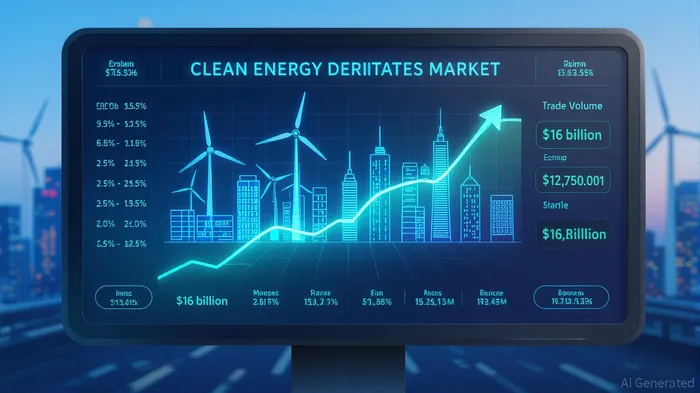
What's driving this surge? For starters, CleanTrade's integration of ESG analytics and automated compliance tools has made it easier for institutions to align portfolios with sustainability goals while hedging energy price risks. Consider the majors: Cargill and Mercuria, two heavyweights in commodities trading, were among the first to leverage the platform. Their participation signals confidence in CleanTrade's ability to deliver both environmental impact and financial returns.
The CFTC's role here can't be overstated. By granting no-action relief and streamlining overlapping regulations, the agency has fostered a more adaptive environment for innovation. This regulatory flexibility is critical. For years, institutional investors hesitated to enter the clean energy space due to legal uncertainties and illiquid markets. Now, with a clear framework in place, the door is wide open.
Looking ahead, the numbers are even more compelling. A report by Reuters highlights that ESG-related investments are projected to balloon to $125 trillion by 2032. Clean energy derivatives, now traded on regulated platforms like CleanTrade, are poised to be a cornerstone of this growth. The key takeaway? Institutions aren't just dabbling in clean energy-they're building long-term strategies around it.
For investors still on the sidelines, the message is clear: This isn't a passing trend. The CFTC's backing and CleanTrade's rapid adoption prove that clean energy is no longer a speculative bet but a core asset class. Whether you're managing a pension fund or a hedge fund, the ability to trade RECs, VPPAs, and PPAs with the same rigor as oil or gold is a game-changer.
In short, the clean energy revolution isn't just about saving the planet-it's about securing portfolios. And with the right tools, the future has never looked more investable.

Mezclando la sabiduría tradicional en el comercio con las perspectivas más avanzadas sobre criptomonedas.
Latest Articles
Stay ahead of the market.
Get curated U.S. market news, insights and key dates delivered to your inbox.


AInvest
PRO
AInvest
PRO



Comments
No comments yet