
Class Action Lawsuits Explained: Why Costco Faces Renewal Scrutiny
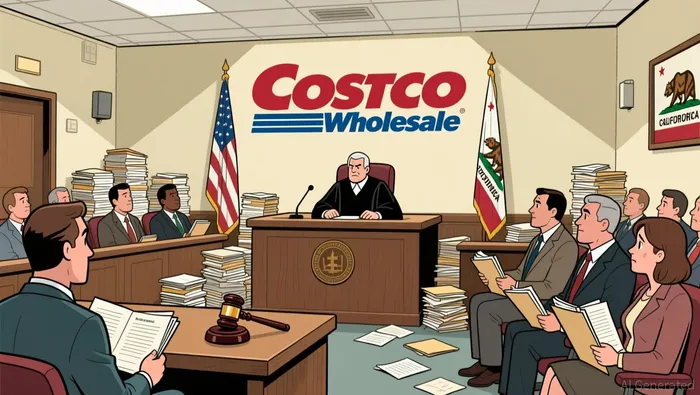
- Costco is currently facing a class action lawsuit in California alleging violations of state law regarding membership renewal notices.
- The complaint centers on claims that the retailer sent untimely and deficient communications that may have misled members.
- This legal challenge underscores the operational risks inherent in subscription-based revenue models when regulatory compliance slips.
- Investors should understand how such lawsuits can impact financial stability and brand reputation in the retail sector.
Investors keeping a close eye on the retail sector are now turning their attention to a developing legal challenge against Costco Wholesale CorporationCOST--. The company is defending itself against accusations that its membership renewal practices failed to meet strict California consumer protection standards. This situation serves as a stark reminder of the hidden liabilities that can emerge when operational processes clash with evolving regulatory expectations. For shareholders, the implications extend beyond immediate legal costs to include potential disruptions in member retention and revenue forecasting.
What Are The Allegations Behind The CostcoCOST-- Class Action Lawsuit?
The core of the legal dispute revolves around the specific timing and content of renewal notices sent to Costco members. According to the complaint, the retailer allegedly violated California law by sending communications that were both untimely and deficient in required content. The lawsuit suggests that these procedural failures may have deprived members of the opportunity to cancel or renew their memberships under proper legal guidelines. Essentially, the plaintiffs argue that the company did not provide the necessary clarity or lead time required by state statutes to ensure fair treatment of consumers.
This legal scrutiny highlights a critical vulnerability in Costco's subscription-based revenue model. The company relies heavily on membership fees to drive profitability, and any disruption to the renewal cycle can have immediate financial consequences. The allegations suggest that internal communication strategies may have failed to align with the strict requirements of California's consumer protection laws. If the court finds in favor of the plaintiffs, the company could face significant penalties, mandatory refunds, or a requirement to overhaul its entire renewal notification system. This could result in a tangible hit to the bottom line and potentially damage the company's reputation for member-centric service.
Why Do Class Action Lawsuits Matter To Retail Investors?
For retail investors, class action lawsuits are more than just legal headlines; they represent a tangible assessment of a company's operational maturity and risk management capabilities. These lawsuits often stem from systemic issues rather than isolated incidents, indicating that a company may be cutting corners or failing to adapt its processes to regulatory changes. In the case of Costco, the focus on membership renewals suggests a broader question about how well the company manages its most valuable asset: its member base. When a company of this size faces litigation over communication protocols, it signals that internal controls may need strengthening to prevent future compliance breaches.
Furthermore, the financial impact of a class action can be substantial and multifaceted. Beyond direct legal fees and potential settlement costs, there is the risk of regulatory fines and the cost of implementing new compliance measures. These expenses can eat into profit margins and divert resources away from growth initiatives like store expansion or technology upgrades. Additionally, the reputational damage from such lawsuits can erode consumer trust, leading to lower renewal rates and reduced customer lifetime value. Investors must weigh these potential liabilities against the company's strong historical performance and pricing power to make informed decisions.
How Might Membership Fee Increases Influence The Legal Landscape?
The backdrop of this legal challenge includes a recent announcement that Costco will be increasing its membership fees effective September 1st. While price hikes are a common strategy to manage costs and boost revenue, they can also heighten sensitivity among consumers and regulators. The combination of a fee increase and a lawsuit over renewal notices creates a complex environment for the company. Members who feel they were not properly notified about the renewal process may be more likely to challenge the new pricing or feel aggrieved by the perceived lack of transparency.
This juxtaposition of pricing power and legal scrutiny is particularly relevant for investors analyzing the company's near-term outlook. On one hand, the fee increase signals confidence in the company's ability to maintain profitability and pass on costs to consumers. On the other hand, the class action lawsuit introduces an element of uncertainty that could dampen sentiment. The outcome of the lawsuit could influence how effectively Costco implements its price increase strategy. If the legal challenge results in a settlement or ruling that requires significant changes to the renewal process, it could complicate the rollout of the new pricing structure and potentially lead to member churn.
The intersection of these factors creates a dynamic scenario where operational efficiency meets regulatory pressure. Investors should monitor how the company responds to the lawsuit, including any statements from management regarding compliance and member communications. The company's ability to navigate this legal hurdle while maintaining its pricing strategy will be a key indicator of its resilience and long-term stability. As the case progresses, the financial community will be watching closely for any developments that could signal a shift in the company's risk profile or market position.
In conclusion, the class action lawsuit against Costco over membership renewal notices serves as a critical case study in the risks faced by subscription-based retailers. It highlights the delicate balance between revenue generation and regulatory compliance, and the potential consequences of failing to maintain the latter. For investors, understanding the nuances of such legal challenges is essential for accurately assessing the company's future prospects. The outcome of this case could set a precedent for how similar retailers manage their membership models in an increasingly regulated environment.

The Newsroom represents the intersection of human expertise and machine intelligence. Composed of seasoned editors with decades of combined experience in global markets, we utilize AI as a powerful research assistant to enhance our coverage. We maintain a "Human-in-the-loop" policy: no article is published without professional human verification, ensuring that every insight is accurate, nuanced, and actionable for our readers.
Latest Articles
Stay ahead of the market.
Get curated U.S. market news, insights and key dates delivered to your inbox.


AInvest
PRO
AInvest
PRO



Comments
No comments yet