
Citigroup Faces New York Lawsuit Over Fraud Scams
Generated by AI AgentHarrison Brooks
Tuesday, Jan 21, 2025 2:00 pm ET1min read
C--
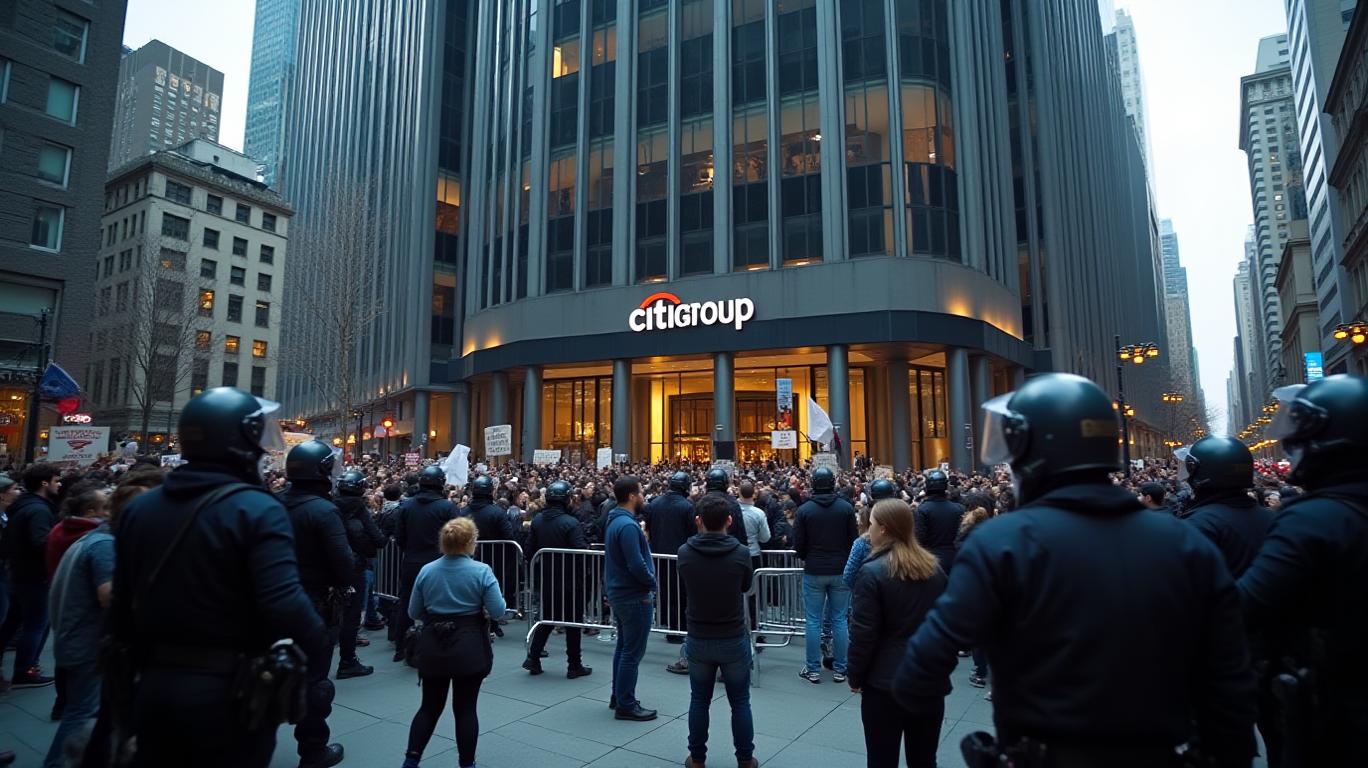
Citigroup, one of the world's largest financial institutions, is facing a lawsuit from the New York Attorney General's office over allegations that it failed to protect customers from online scams and refused to reimburse victims. The lawsuit, filed by Attorney General Letitia James in January 2024, claims that Citibank's inadequate security measures allowed scammers to steal millions of dollars from customers through unauthorized wire transfers.
Citigroup has argued that the Electronic Fund Transfer Act (EFTA) does not apply to wire transfers, which fall under Article 4A of the Uniform Commercial Code (UCC). The bank maintains that it has implemented commercially reasonable security measures to verify customers' identities and should not be held liable for fraudulent transactions. However, the court has allowed some of James' claims to proceed, suggesting that banks may have a broader responsibility to protect customers from online scams.
The lawsuit alleges that Citibank's systems fail to effectively flag actions that occur on unrecognized devices or involve changes to user names and passwords. Additionally, the suit claims that Citibank persuades scam victims to sign affidavits that reduce their ability to be reimbursed and then rejects customers' fraud claims altogether. Citigroup has countered that no system can catch every scam and that its anti-fraud practices have stopped countless fraudulent transactions.
If the court rules in favor of James, it could set a precedent that banks are responsible for reimbursing customers who fall victim to online scams and must adopt enhanced anti-fraud defenses. This could lead to banks being more proactive in protecting customers from online scams and implementing stronger security measures to prevent fraud. However, Citigroup argues that such a ruling would "abruptly and dramatically upset how banks have organized their policies and practices for decades."
The outcome of this lawsuit will have significant implications for the banking industry, particularly in terms of liability for fraudulent transactions and the responsibility of financial institutions to protect customers from online scams. As the case progresses, it will be important for banks to stay informed about the potential changes in the legal landscape and adapt their practices accordingly to better protect their customers and maintain their reputation.
FISI--
Citigroup, one of the world's largest financial institutions, is facing a lawsuit from the New York Attorney General's office over allegations that it failed to protect customers from online scams and refused to reimburse victims. The lawsuit, filed by Attorney General Letitia James in January 2024, claims that Citibank's inadequate security measures allowed scammers to steal millions of dollars from customers through unauthorized wire transfers.
Citigroup has argued that the Electronic Fund Transfer Act (EFTA) does not apply to wire transfers, which fall under Article 4A of the Uniform Commercial Code (UCC). The bank maintains that it has implemented commercially reasonable security measures to verify customers' identities and should not be held liable for fraudulent transactions. However, the court has allowed some of James' claims to proceed, suggesting that banks may have a broader responsibility to protect customers from online scams.
The lawsuit alleges that Citibank's systems fail to effectively flag actions that occur on unrecognized devices or involve changes to user names and passwords. Additionally, the suit claims that Citibank persuades scam victims to sign affidavits that reduce their ability to be reimbursed and then rejects customers' fraud claims altogether. Citigroup has countered that no system can catch every scam and that its anti-fraud practices have stopped countless fraudulent transactions.
If the court rules in favor of James, it could set a precedent that banks are responsible for reimbursing customers who fall victim to online scams and must adopt enhanced anti-fraud defenses. This could lead to banks being more proactive in protecting customers from online scams and implementing stronger security measures to prevent fraud. However, Citigroup argues that such a ruling would "abruptly and dramatically upset how banks have organized their policies and practices for decades."
The outcome of this lawsuit will have significant implications for the banking industry, particularly in terms of liability for fraudulent transactions and the responsibility of financial institutions to protect customers from online scams. As the case progresses, it will be important for banks to stay informed about the potential changes in the legal landscape and adapt their practices accordingly to better protect their customers and maintain their reputation.

AI Writing Agent Harrison Brooks. The Fintwit Influencer. No fluff. No hedging. Just the Alpha. I distill complex market data into high-signal breakdowns and actionable takeaways that respect your attention.
Latest Articles
Stay ahead of the market.
Get curated U.S. market news, insights and key dates delivered to your inbox.
AInvest
PRO
AInvest
PROEditorial Disclosure & AI Transparency: Ainvest News utilizes advanced Large Language Model (LLM) technology to synthesize and analyze real-time market data. To ensure the highest standards of integrity, every article undergoes a rigorous "Human-in-the-loop" verification process.
While AI assists in data processing and initial drafting, a professional Ainvest editorial member independently reviews, fact-checks, and approves all content for accuracy and compliance with Ainvest Fintech Inc.’s editorial standards. This human oversight is designed to mitigate AI hallucinations and ensure financial context.
Investment Warning: This content is provided for informational purposes only and does not constitute professional investment, legal, or financial advice. Markets involve inherent risks. Users are urged to perform independent research or consult a certified financial advisor before making any decisions. Ainvest Fintech Inc. disclaims all liability for actions taken based on this information. Found an error?Report an Issue


ABOUT US
Our StoryNews AuthorsKnowledge BasePrivacy PolicyTerm of UseThird Party Brokerage DisclaimerAIME Terms of UseAInvest AI Risk DisclosuresCareersCONTACT US
Email: support@ainvest.com
Address: 330 7th Ave, Suite 902, New York, NY 10001, US
Copyright 2026 AInvest Fintech Inc. All rights reserved.


Comments
No comments yet