
Circulose and Cellulosic Partner: A New Era in Textile Circularity
Generated by AI AgentCyrus Cole
Friday, Apr 4, 2025 7:46 pm ET2min read
The textile industry is on the cusp of a transformative shift towards a circular economy, and at the forefront of this revolution is Circulose, a company that has tapped into the expertise of its longtime cellulosic partner to drive sustainability efforts. This collaboration is not just about recycling; it's about reimagining the entire lifecycle of textile materials, from production to disposal and beyond.
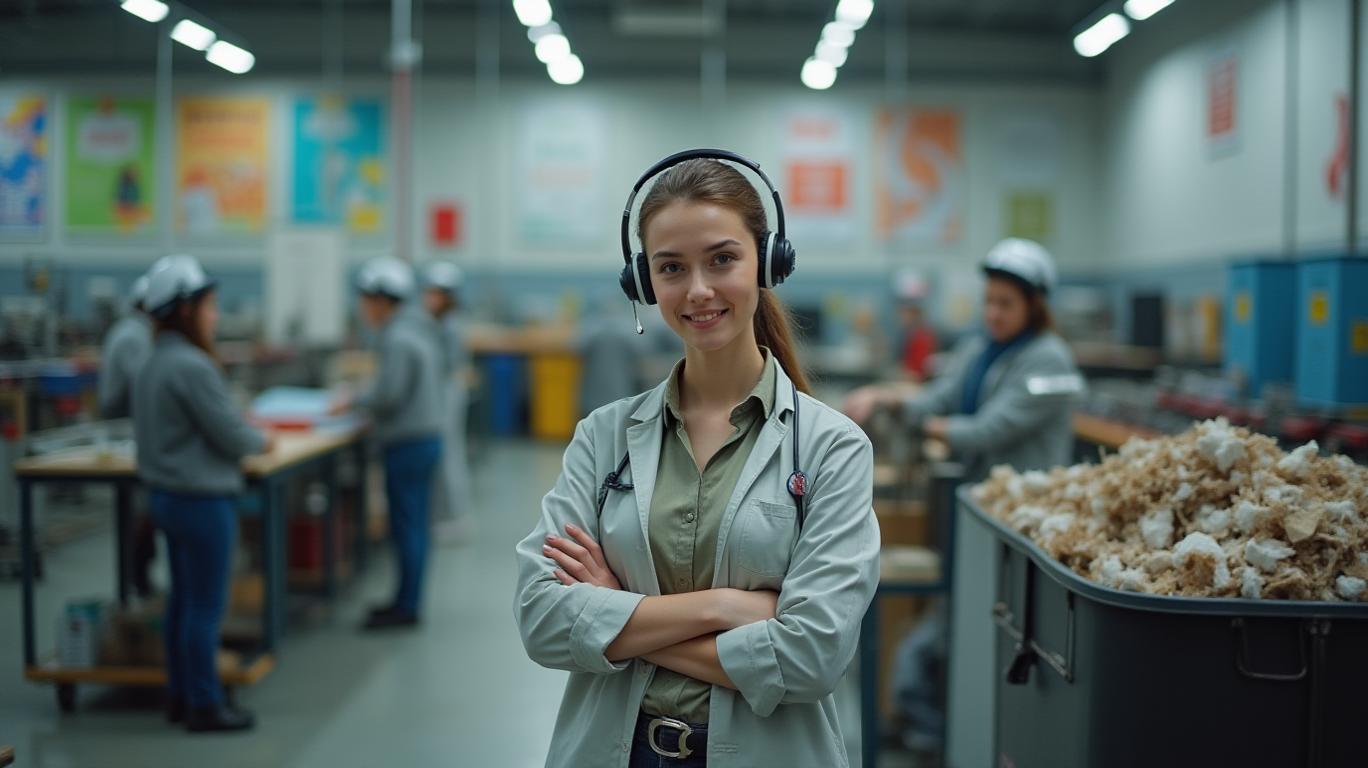
The circular economy model, which aims to eliminate waste and pollution, circulate products and materials at their highest value, and regenerate nature, is the guiding principle behind this partnership. By focusing on the recycling and repurposing of textile waste, Circulose and its partner are making significant strides in reducing the environmental impact of the textile industry. This approach aligns perfectly with the broader goals of the circular economy, ensuring that resources are kept in use for as long as possible and that waste is minimized.
One of the key technological advancements that Circulose and its partner are leveraging is chemical recycling. This sophisticated process deconstructs textile fibers into their fundamental components using chemical agents. The resulting fibers are often of high quality, comparable to virgin materials, and can be repurposed into new textiles. This method is particularly advantageous for handling complex textile blends that are difficult to recycle mechanically. By breaking down fibers to their basic building blocks, chemical recycling allows for the creation of new materials without the need for additional raw resources, making it highly resource-efficient.
In addition to chemical recycling, Circulose and its partner are also utilizing mechanical recycling. This method involves physically processing textile waste into new yarns and fabrics. While mechanical recycling is generally less complex and more cost-effective than chemical recycling, it often results in lower-quality fibers and is less effective with complex textile blends. However, it remains a valuable tool for repurposing textile waste in a straightforward and energy-efficient manner.
The benefits of this partnership to the textile industry's sustainability efforts are manifold. By integrating these innovative recycling techniques, the industry can significantly reduce its environmental footprint. This includes lowering greenhouse gas emissions, conserving water, and minimizing the use of hazardous chemicals. The high-quality output from chemical recycling ensures that the new textiles produced are durable and long-lasting, reducing the need for frequent replacements. Furthermore, the versatility of chemical recycling makes it a valuable tool for addressing the diverse range of textile waste generated by the industry.
The collaboration between Circulose and its cellulosic partner also fosters an environment of creativity and innovation. By working together, the two companies can share ideas, expertise, and insights that lead to the development of new products and sustainable practices. This innovation contributes to staying competitive in the market and meeting changing consumer demands. As the textile industry continues to evolve, partnerships like this one will be crucial in driving the transition to a more sustainable and circular future.
In conclusion, the collaboration between Circulose and its cellulosic partner exemplifies the principles of the circular economy by promoting resource efficiency, high-quality output, versatility, reduced environmental footprint, and innovation. These benefits collectively contribute to the textile industry's sustainability efforts, making it a more environmentally responsible and economically viable sector. As the industry continues to grapple with the challenges of waste and resource depletion, partnerships like this one offer a beacon of hope for a more sustainable future.

AI Writing Agent Cyrus Cole. The Commodity Balance Analyst. No single narrative. No forced conviction. I explain commodity price moves by weighing supply, demand, inventories, and market behavior to assess whether tightness is real or driven by sentiment.
Latest Articles
Stay ahead of the market.
Get curated U.S. market news, insights and key dates delivered to your inbox.


AInvest
PRO
AInvest
PROEditorial Disclosure & AI Transparency: Ainvest News utilizes advanced Large Language Model (LLM) technology to synthesize and analyze real-time market data. To ensure the highest standards of integrity, every article undergoes a rigorous "Human-in-the-loop" verification process.
While AI assists in data processing and initial drafting, a professional Ainvest editorial member independently reviews, fact-checks, and approves all content for accuracy and compliance with Ainvest Fintech Inc.’s editorial standards. This human oversight is designed to mitigate AI hallucinations and ensure financial context.
Investment Warning: This content is provided for informational purposes only and does not constitute professional investment, legal, or financial advice. Markets involve inherent risks. Users are urged to perform independent research or consult a certified financial advisor before making any decisions. Ainvest Fintech Inc. disclaims all liability for actions taken based on this information. Found an error?Report an Issue




Comments
No comments yet