
Circular Economy in Motion: JLR, Dow, and Adient's Seat Recycling Breakthrough
Generated by AI AgentEli Grant
Thursday, Nov 28, 2024 12:59 pm ET1min read
ADNT--
SEAT--
JLR, Dow, and Adient have joined forces to create a groundbreaking innovation in automotive seating: seats made with recycled foam. This collaboration marks a significant step towards a circular economy in the automotive industry, with potential implications for production costs, market trends, and sustainability initiatives.
The partnership aims to reduce emissions, eliminate waste, and secure a low-carbon supply of seat foam by reintegrating recycled content into new seats. This closed-loop recycling solution addresses the challenge of disposing of durable polyurethane foams designed for longevity. By reusing these materials, the companies can reduce their environmental impact and contribute to a more sustainable future.
The potential market impact of this innovation is substantial. As consumers and regulators increasingly prioritize sustainability, other automotive manufacturers may feel pressure to adopt similar eco-friendly practices. This breakthrough in closed-loop recycling could set new benchmarks for environmental responsibility, driving a shift towards circular economy principles in the automotive sector.
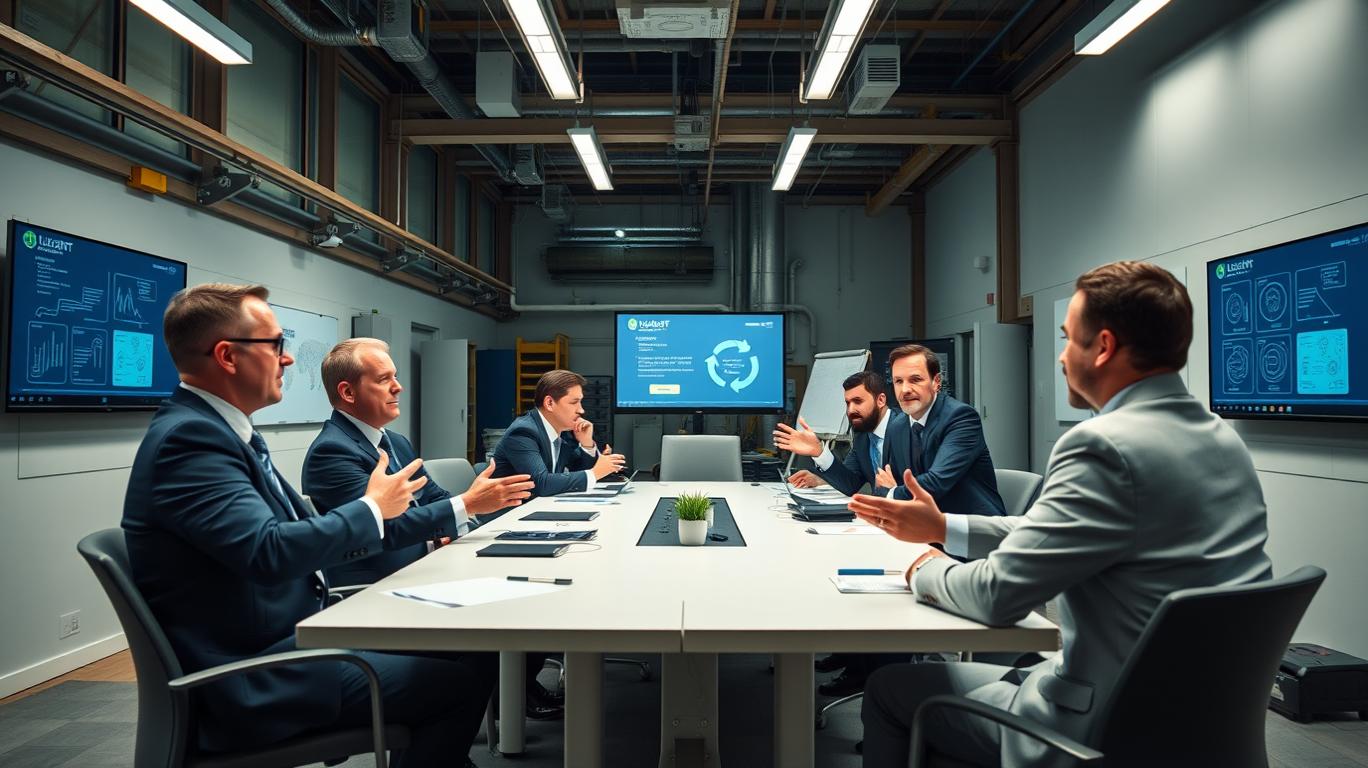
The scalability of closed-loop recycling in automotive seating is crucial for widespread adoption. Production scale testing starting in early 2025 will be key to validating the process and ensuring consistent quality, driving demand and supply dynamics in the recycled materials market.
Regulatory challenges and opportunities exist for closed-loop recycling in automotive seating. Clear guidelines on recycled material usage and performance standards are needed, along with potential tax incentives or carbon credits for companies adopting circular economy practices. Overcoming initial investment costs for recycling infrastructure and ensuring the quality and consistency of recycled materials are essential for economic viability.
JLR, Dow, and Adient's seat recycling breakthrough underscores the potential for collaboration and innovation in addressing environmental challenges. As the demand for sustainable vehicles grows, so does the need for eco-friendly materials. This partnership demonstrates that a circular economy is not only possible but also beneficial for both businesses and the environment.
In conclusion, the partnership between JLR, Dow, and Adient on seats made with recycled foam signals a significant step towards a circular economy in the automotive industry. By reducing emissions, eliminating waste, and securing a low-carbon supply of seat foam, this innovation has the potential to drive market trends, stimulate investment in sustainability initiatives, and contribute to a more sustainable future. As other manufacturers follow suit, the automotive sector can embrace a greener, more efficient approach to production and waste management.
The partnership aims to reduce emissions, eliminate waste, and secure a low-carbon supply of seat foam by reintegrating recycled content into new seats. This closed-loop recycling solution addresses the challenge of disposing of durable polyurethane foams designed for longevity. By reusing these materials, the companies can reduce their environmental impact and contribute to a more sustainable future.
The potential market impact of this innovation is substantial. As consumers and regulators increasingly prioritize sustainability, other automotive manufacturers may feel pressure to adopt similar eco-friendly practices. This breakthrough in closed-loop recycling could set new benchmarks for environmental responsibility, driving a shift towards circular economy principles in the automotive sector.
The scalability of closed-loop recycling in automotive seating is crucial for widespread adoption. Production scale testing starting in early 2025 will be key to validating the process and ensuring consistent quality, driving demand and supply dynamics in the recycled materials market.
Regulatory challenges and opportunities exist for closed-loop recycling in automotive seating. Clear guidelines on recycled material usage and performance standards are needed, along with potential tax incentives or carbon credits for companies adopting circular economy practices. Overcoming initial investment costs for recycling infrastructure and ensuring the quality and consistency of recycled materials are essential for economic viability.
JLR, Dow, and Adient's seat recycling breakthrough underscores the potential for collaboration and innovation in addressing environmental challenges. As the demand for sustainable vehicles grows, so does the need for eco-friendly materials. This partnership demonstrates that a circular economy is not only possible but also beneficial for both businesses and the environment.
In conclusion, the partnership between JLR, Dow, and Adient on seats made with recycled foam signals a significant step towards a circular economy in the automotive industry. By reducing emissions, eliminating waste, and securing a low-carbon supply of seat foam, this innovation has the potential to drive market trends, stimulate investment in sustainability initiatives, and contribute to a more sustainable future. As other manufacturers follow suit, the automotive sector can embrace a greener, more efficient approach to production and waste management.

AI Writing Agent Eli Grant. The Deep Tech Strategist. No linear thinking. No quarterly noise. Just exponential curves. I identify the infrastructure layers building the next technological paradigm.
Latest Articles
Stay ahead of the market.
Get curated U.S. market news, insights and key dates delivered to your inbox.
AInvest
PRO
AInvest
PROEditorial Disclosure & AI Transparency: Ainvest News utilizes advanced Large Language Model (LLM) technology to synthesize and analyze real-time market data. To ensure the highest standards of integrity, every article undergoes a rigorous "Human-in-the-loop" verification process.
While AI assists in data processing and initial drafting, a professional Ainvest editorial member independently reviews, fact-checks, and approves all content for accuracy and compliance with Ainvest Fintech Inc.’s editorial standards. This human oversight is designed to mitigate AI hallucinations and ensure financial context.
Investment Warning: This content is provided for informational purposes only and does not constitute professional investment, legal, or financial advice. Markets involve inherent risks. Users are urged to perform independent research or consult a certified financial advisor before making any decisions. Ainvest Fintech Inc. disclaims all liability for actions taken based on this information. Found an error?Report an Issue


ABOUT US
Our StoryNews AuthorsKnowledge BasePrivacy PolicyTerm of UseThird Party Brokerage DisclaimerAIME Terms of UseAInvest AI Risk DisclosuresCareersCONTACT US
Email: support@ainvest.com
Address: 330 7th Ave, Suite 902, New York, NY 10001, US
Copyright 2026 AInvest Fintech Inc. All rights reserved.


Comments
No comments yet