
Christmas Eve 2025 Shipping and Market Updates: USPS, Stock Market, and Delivery Schedules Explained


 Aime Summary
As the end of the year approaches, both retail investors and small businesses are keeping an eye on the holiday schedule. Logistics and delivery services are often at the center of this focus, especially as the U.S. Postal Service () and other major carriers adjust their operations for the season. Additionally, the U.S. stock markets will close early, which is important for traders who manage their portfolios around major holidays. Understanding these changes helps investors plan their strategies and stay ahead of market movements.
USPS and Other Carriers on Christmas Eve 2025
For Christmas Eve 2025, USPS will deliver mail as usual, but post offices will remain open for retail services. This is a key distinction from Christmas Day, when USPS will be closed entirely and no mail will be delivered. Meanwhile, other major carriers like and will offer most deliveries, with modified hours for some services according to reports. AmazonAMZN-- is expected to maintain its delivery operations, including same-day service in eligible areas as data shows.
This shift is part of a broader pattern where USPS is opening its last-mile delivery network to more companies. In January 2026, the postal service will solicit bids from shippers of all sizes, aiming to diversify its revenue and improve its financial sustainability. 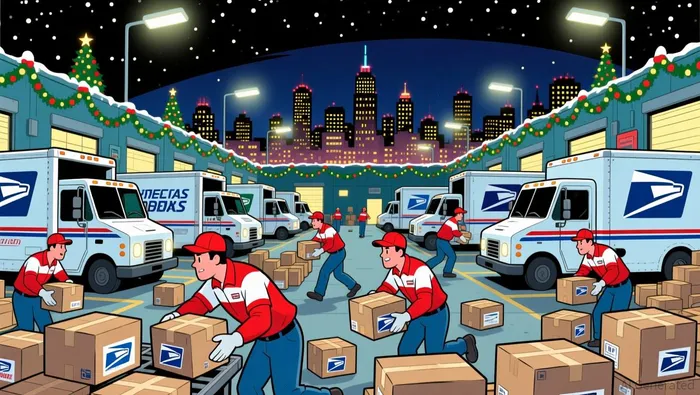 This is a significant move as it could affect the competitive landscape for logistics providers and change the way e-commerce companies handle final deliveries.
The Stock Market and Holiday Schedules
For those who are not only tracking delivery services but also managing stock investments, it's worth noting that the New York Stock Exchange (NYSE) and Nasdaq will close early on Christmas Eve 2025, . ET. While this is a regular occurrence during holidays, it's important for investors to adjust their strategies accordingly. Early closures can impact short-term trading decisions and liquidity, especially for those managing high-volume or time-sensitive positions.
In the broader context, the U.S. financial calendar remains a key factor for global investors. The Federal Reserve and other regulatory bodies often monitor market behavior around holidays to assess trends in trading volumes and market sentiment. Investors should keep these dates in mind, particularly as they look for timing opportunities or manage risk around market holidays.
USPS's Financial Strategy and Expansion
Beyond the immediate holiday schedule, USPS is moving toward a new financial model that includes more access to its delivery infrastructure. The postal service has already taken steps to open its last-mile delivery network to new shippers, moving beyond its existing relationships with Amazon and UPSUPS-- as research shows. This expansion is a major shift for an agency that has historically operated under strict federal regulations and universal service obligations.
The move to solicit bids for delivery services is part of a larger effort to improve financial sustainability. in the current budget year, highlighting the need for new revenue streams. By allowing more companies to use its delivery infrastructure, USPS is positioning itself to compete more effectively in the logistics sector while maintaining its core delivery services.
Implications for Investors and Market Participants
For investors, the combination of holiday schedules and USPS's strategic shifts offers multiple angles for consideration. First, the logistics sector is undergoing a transformation as traditional carriers like USPS adapt to new market demands. This could lead to changes in pricing, service levels, and competitive dynamics across the industry.
Second, investors should be aware of how market holidays affect liquidity and trading behavior. For example, shorter trading days or early closures can influence stock prices and volume trends, particularly for highly traded equities and ETFs. Understanding these effects can help traders adjust their strategies and manage risk more effectively.
Looking ahead, the broader trends in logistics and financial markets will likely continue to evolve. The U.S. Postal Service's expansion into last-mile delivery is one example of how traditional infrastructure is being reimagined for modern supply chains. Meanwhile, regulatory changes and economic conditions will also play a role in shaping the market environment.
Final Takeaways
As the holiday season unfolds, both consumers and investors are watching closely. From USPS's Christmas Eve delivery schedule to the early closure of stock markets, these factors highlight the interplay between logistics, finance, and market behavior. By staying informed, investors can better navigate the changing landscape and make more strategic decisions moving forward.
For now, the key takeaway is that the holiday period offers valuable insights into both short-term market behavior and long-term industry trends. Whether you're tracking delivery schedules or adjusting your investment approach, understanding these dynamics can help you stay ahead of the curve.

Delivering real-time insights and analysis on emerging financial trends and market movements.
Latest Articles
Stay ahead of the market.
Get curated U.S. market news, insights and key dates delivered to your inbox.
AInvest
PRO
AInvest
PRO



Comments
No comments yet