
Christine Lagarde Warns of AI Lags Threatening European Future
 Aime Summary
, in a recent address, has sounded the alarm over Europe’s potential to lose its future due to a lag in (AI) development. Her remarks highlight a pressing concern that the region is at risk of falling behind in the global AI race, with serious implications for competitiveness and strategic independence.
Lagarde emphasized that without urgent action, Europe could become increasingly reliant on external . This dependency poses not just an economic but also a strategic risk, as it could limit the EU’s autonomy in shaping the future of technology and innovation. The need to act swiftly is underscored by the rapid advancements in AI seen globally, with key players investing heavily in infrastructure, talent, and .
The European Union is being urged to strengthen its domestic AI capabilities through targeted investment and policy reforms. A key focus of these efforts must be to foster a competitive environment that encourages homegrown innovation. Lagarde’s message is clear: the EU must not only catch up but also build a robust and self-reliant AI ecosystem to ensure long-term resilience.
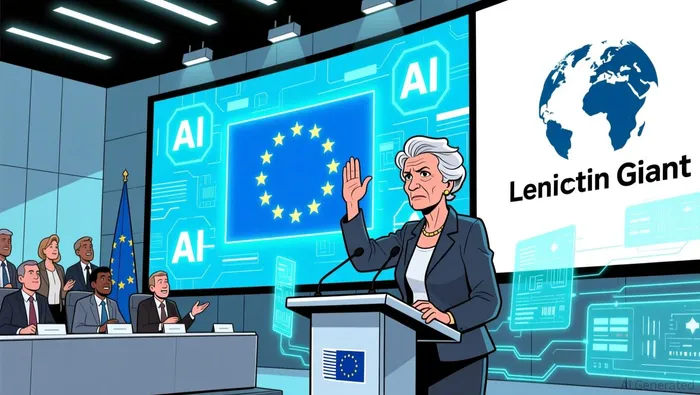
To achieve this, the EU needs to prioritize initiatives that support , expand access to , and invest in education and . Strategic partnerships between public and private sectors will be essential in accelerating progress. Additionally, must evolve to promote innovation without stifling it, ensuring Europe can attract and retain top talent and investment.
The urgency of the moment cannot be overstated. As AI continues to shape industries and redefine economies, the cost of inaction is becoming increasingly clear. Europe’s ability to maintain its relevance on the global stage will depend on how effectively it can harness AI to drive across sectors.
Lagarde’s remarks serve as a call to action for policymakers and industry leaders alike. The window of opportunity to shape the future of AI in Europe is narrowing. A coordinated and decisive response is needed to turn the tide and position the EU as a leader in the next generation of technological advancement.

Stay ahead of the market.
Get curated U.S. market news, insights and key dates delivered to your inbox.


AInvest
PRO
AInvest
PRO



Comments
No comments yet