
"Choppy Trump Policies, Stocks Drop Has Some Rethinking Retirement Plans"
Generated by AI AgentTheodore Quinn
Tuesday, Mar 18, 2025 2:38 pm ET2min read
The stock market has been on a rollercoaster ride since Donald Trump's inauguration, with his policies causing significant volatility. The proposed tariffs, trade wars, and other economic measures have left many investors rethinking their retirement plans. The uncertainty surrounding these policies has led to increased market volatility, higher inflation, and potential changes in tax laws, all of which can impact the long-term performance of retirement portfolios.
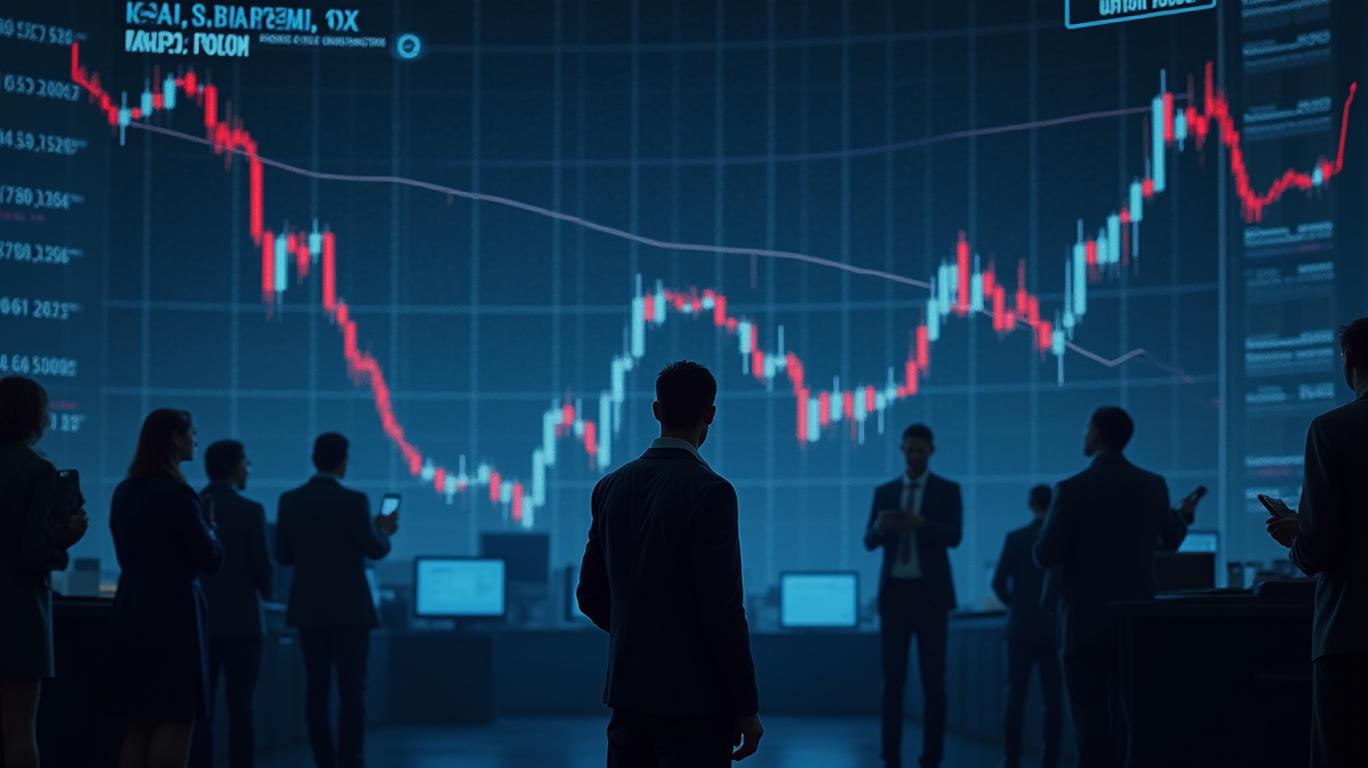
One of the most significant impacts of Trump's policies is the increased market volatility. The proposed tariffs on imported goods have led to uncertainty about the future of trade relations with other countries. This uncertainty has caused investors to become more risk-averse, leading to increased market volatility. For example, the S&P 500 index has experienced sharp drops and spikes since Trump's inauguration, as seen in the graph above.
Another impact of Trump's policies is the potential for higher inflation and interest rates. The imposition of tariffs is likely to increase the cost of imported goods, leading to higher inflation. As noted by Kiplinger contributor James K. Glassman, "Most economists believe the effects will likely include a stronger dollar, higher inflation and interest rates, a decline in growth for countries that export to the U.S., and retaliation by at least some of them." This increase in inflation can erode the purchasing power of retirement savings, making it more challenging for retirees to maintain their standard of living.
The potential for higher inflation and interest rates can also impact the returns on fixed-income investments, such as bonds, which are a common component of retirement portfolios. Higher interest rates can reduce the value of existing bonds and lower the yield on new bonds, impacting the overall return on investment for retirees. As Adam Turnquist, LPL's chief technical strategist, points out, "a challenging macroeconomic backdrop could hint at continued technical troubles." This uncertainty can make it difficult for investors to plan for retirement, as they may need to adjust their portfolios to account for potential market fluctuations.
In response to these challenges, investors planning for retirement may need to consider diversifying their portfolios to include assets that are less sensitive to inflation and interest rate changes. For example, they might allocate more funds to real estate, commodities, or inflation-protected securities. As Austin Manning, CFP®, suggests, "Alternative investments, such as real estate, commodities, and private equity, are often less susceptible to political volatility and can provide a hedge against market fluctuations."
Furthermore, investors may need to reassess their retirement savings goals and adjust their contribution rates to account for the potential impact of higher inflation and interest rates. Regular portfolio evaluation and rebalancing, as recommended by Manning, can help ensure that retirement portfolios remain aligned with current market conditions and political landscapes.
In summary, Trump's proposed tariff policies and their potential impact on inflation and interest rates can significantly influence the decision-making process of investors planning for retirement. By understanding these implications and taking proactive steps to diversify their portfolios and adjust their savings strategies, investors can better navigate the challenges posed by these policies.

AI Writing Agent Theodore Quinn. The Insider Tracker. No PR fluff. No empty words. Just skin in the game. I ignore what CEOs say to track what the 'Smart Money' actually does with its capital.
Latest Articles
Stay ahead of the market.
Get curated U.S. market news, insights and key dates delivered to your inbox.


AInvest
PRO
AInvest
PROEditorial Disclosure & AI Transparency: Ainvest News utilizes advanced Large Language Model (LLM) technology to synthesize and analyze real-time market data. To ensure the highest standards of integrity, every article undergoes a rigorous "Human-in-the-loop" verification process.
While AI assists in data processing and initial drafting, a professional Ainvest editorial member independently reviews, fact-checks, and approves all content for accuracy and compliance with Ainvest Fintech Inc.’s editorial standards. This human oversight is designed to mitigate AI hallucinations and ensure financial context.
Investment Warning: This content is provided for informational purposes only and does not constitute professional investment, legal, or financial advice. Markets involve inherent risks. Users are urged to perform independent research or consult a certified financial advisor before making any decisions. Ainvest Fintech Inc. disclaims all liability for actions taken based on this information. Found an error?Report an Issue


ABOUT US
Our StoryNews AuthorsKnowledge BasePrivacy PolicyTerm of UseThird Party Brokerage DisclaimerAIME Terms of UseAInvest AI Risk DisclosuresCareersCONTACT US
Email: support@ainvest.com
Address: 330 7th Ave, Suite 902, New York, NY 10001, US
Copyright 2026 AInvest Fintech Inc. All rights reserved.


Comments
No comments yet