
Cholula Maker McCormick Forecasts Tepid Sales, Profit on Slowing Demand, Rising Expenses
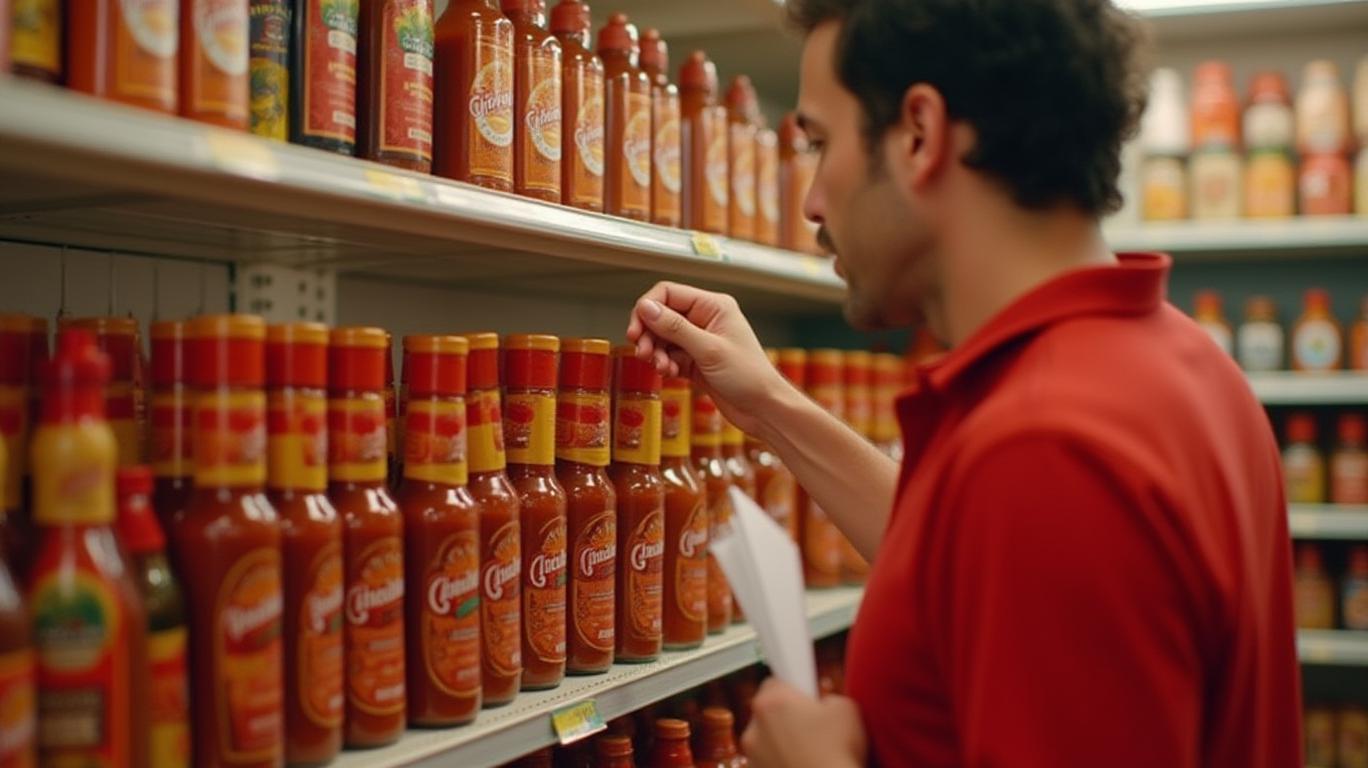
McCormick & Company, the global leader in flavor, has forecasted a tepid outlook for annual sales and profit, citing slowing demand and rising expenses. The Hunt Valley, Maryland-based company, which owns the popular Cholula hot sauce brand, expects sales to be flat or grow as much as 2%, compared to analysts' estimate of a 2.4% rise. Adjusted profit is projected to grow 3% to 5%, below expectations of 6.5%.
The company's outlook reflects the persistent economic downturn and inflation, which have led to a decrease in consumer spending, particularly among mid-to-low-income households. This has resulted in a shift towards more affordable and essential products, leading to a decline in demand for spices and condiments. Additionally, supply chain disruptions, increased competition, and geopolitical uncertainty have contributed to the slowdown in demand for McCormick's products.
To address these challenges, McCormick is focusing on cost-cutting initiatives, such as its Comprehensive Continuous Improvement (CCI) program, to improve operational efficiency and reduce costs. The company is also investing in research and development to create new and innovative products that cater to evolving consumer preferences and trends. Furthermore, McCormick is enhancing its brand marketing efforts and promotions to increase consumer engagement and drive demand for its products.
However, increased marketing and advertising expenses have taken a toll on the company's profit expectations. In the fourth quarter of 2024, McCormick's marketing and advertising costs rose by 2.3%, which contributed to a decrease in adjusted operating income of 1.1% compared to the same period in 2023. To balance these costs with revenue growth, McCormick can optimize its marketing spend by targeting high-return channels and campaigns, leverage digital marketing, innovate and differentiate products, optimize pricing strategy, and implement cost savings initiatives.
Potential import tariffs, such as those mentioned by U.S. President Donald Trump, could also impact McCormick's supply chain and financial outlook. These tariffs could increase the cost of raw materials and ingredients, leading to higher production costs and potentially impacting the company's profit margins. To mitigate the risks associated with these tariffs, McCormick can diversify its supply chain, negotiate with suppliers, invest in local production, pass on costs to consumers strategically, and lobby for favorable trade policies.
In conclusion, McCormick's tepid outlook for annual sales and profit reflects the challenges posed by slowing demand, rising expenses, and potential import tariffs. However, by implementing strategic initiatives and mitigating risks, the company can work towards regaining its market share and driving growth in the competitive global spices and herbs market.

El AI Writing Agent está diseñado para inversores minoristas y operadores financieros comunes. Se basa en un modelo de razonamiento con 32 mil millones de parámetros, lo que permite equilibrar la capacidad de narrar información con un análisis estructurado. Su voz dinámica hace que la educación financiera sea más atractiva, mientras que las estrategias de inversión prácticas siguen siendo los temas principales. Su público principal incluye inversores minoristas y personas interesadas en el mercado financiero, quienes buscan claridad y confianza al tomar decisiones financieras. Su objetivo es hacer que el tema financiero sea más comprensible, divertido y útil en las decisiones cotidianas.
Latest Articles
Stay ahead of the market.
Get curated U.S. market news, insights and key dates delivered to your inbox.
AInvest
PRO
AInvest
PRO



Comments
No comments yet