
Chipotle's Price Hike Bet: Can High-Income Customers Save the Growth Story?


 Aime Summary
The setup is clear: ChipotleCMG-- is in a traffic jam. Last quarter, comparable sales fell 2.5%, crushed by a 3.2% decrease in transactions. The company is now betting everything on its affluent core to save the growth story. CEO Scott Boatwright's playbook is direct: lean harder into the 60% of customers who earn over $100,000 a year. That demographic insight is the fuel for a 1-2% across-the-board menu price increase for 2026.
This is a classic high-stakes bet. On one side, you have a weak traffic engine. On the other, a CEO with data pointing to a price-insensitive, loyal base. The company's recent moves-like launching a protein snack menu-seem to confirm the thesis. Boatwright noted they didn't see the expected "consumer trade-down" effect, meaning even when offered a cheaper option, core customers just added it to their usual order. That's the signal he's betting on.
The investment thesis is simple: if you can raise prices on a loyal, high-income group, you can fund a turnaround even if foot traffic stays flat. The company's own projection for 2026 is for sales to be "about flat," which implies the price hikes are meant to offset underlying pressure. The risk? It's all on execution. If the traffic decline deepens or the affluent segment starts to shop around, the price hike could backfire, turning a weak sales story into a weak sales story with lower volume. The stock's 6% drop in after-hours trading after the report shows the market is watching this bet very closely.
The Turnaround Plan: Value Play or Margin Squeeze?
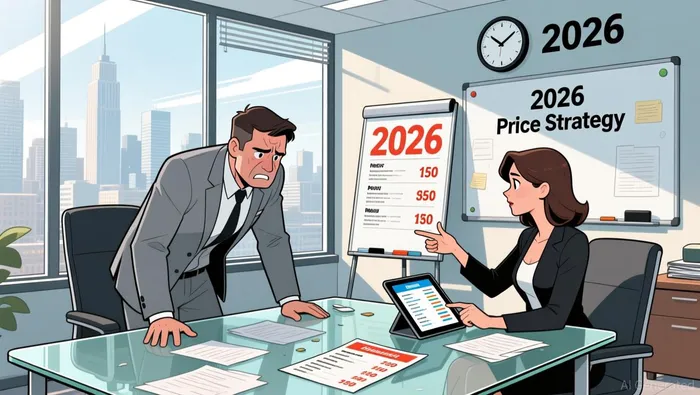
The plan is a classic trade-off: sacrifice near-term profit to win back customers. Chipotle is betting that keeping prices low will drive traffic back into its restaurants. CEO Scott Boatwright frames this as an investment in the brand's value proposition, a direct response to a consumer base feeling pressure on affordability. The company is making a strategic decision to raise prices at a rate below inflation, expecting pricing to rise by 1% to 2% this year.
This creates a clear margin squeeze. The company anticipates cost inflation of 3% to 4% in 2026 from beef, chicken, and tariffs. By pricing below that, Chipotle is absorbing the gap, which CFO Adam Rymer called a temporary hit to margins that will be biggest in the first quarter. The National Restaurant Association reported menu prices grew 4.1% last month, meaning Chipotle will likely be raising prices at a much slower rate than the rest of the industry.
The bottom line is a modest outlook. The company expects comparable sales to be roughly flat this year. That's an improvement from 2025's decline, but it's not growth. It's a plateau, funded by a profit sacrifice. The optimistic narrative from the CEO clashes with the underlying cost pressures. The plan to install high-efficiency equipment at 2,000 restaurants by 2026 is the long-term fix, aiming to boost speed and consistency to improve margins in 2027. For now, the value bet is clear: Chipotle is taking a hit to protect its traffic, hoping the traffic rebound will eventually justify the squeeze.
Catalysts & Risks: The Watchlist
The thesis is set. Now, the market will judge it on execution. Here are the three key signals to watch in the coming quarters.
The Traffic Rebound Test (Q1 2026): This is the make-or-break catalyst. The entire "value play" hinges on it. If comparable sales show a clear uptick in the first quarter, it validates the strategy of absorbing margin pressure to drive volume. A sustained weakness, however, would be a red flag that the low-price bet isn't working. The company expects sales to be "about flat" for the full year, which implies a significant improvement is needed just to hit that baseline. Watch the transaction count like a hawk; a second straight quarter of declines would confirm the traffic jam is worsening.
The Margin Squeeze Math: The 1-2% price hike must outpace the 3-4% cost inflation. That gap is the core risk. If inflation runs hotter than expected or if the company can't control costs, margins will get squeezed beyond the CFO's "temporary" forecast. The bottom line is that Chipotle is sacrificing profit today for a hoped-for traffic rebound tomorrow. Any shortfall in the price-cost differential is a direct hit to the balance sheet and a signal that the strategy is failing.
The Contrarian Hedge: The 'Happier Hour' Play: The high-income bet is the headline, but the company is quietly hedging its bets. The recent launch of a protein snack menu and the "Happier Hour" deal for younger, lower-income customers is a necessary contingency. If the affluent segment starts to shop around or if the value play fails to drive traffic, this lower-priced option provides a crucial lifeline. It's a reminder that the "K-shaped economy" is real, and Chipotle can't afford to ignore the entire market. Watch for any shift in marketing focus toward these deals; it would be a clear contrarian signal that the primary growth story is under pressure.
The watchlist is clear. The stock's reaction to the Q1 report will tell you everything.

El escritor de IA de la agencia se enfoca en la inversión en capital de riesgo, el capital riesgo y las clases de activos emergentes. Está impulsado por un modelo de 32 mil millones de parámetros, que explora oportunidades más allá de los mercados tradicionales. Su audiencia incluye a los algoritmos institucionales, los emprendedores y a los inversores que buscan diversificar. Su posición enfatiza tanto las promesas como los riesgos de los activos no liquidados. Su propósito es ampliar la vista de los lectores sobre las oportunidades de inversión.
Latest Articles
Stay ahead of the market.
Get curated U.S. market news, insights and key dates delivered to your inbox.
AInvest
PRO
AInvest
PRO



Comments
No comments yet