
Chip Stocks Plunge as Trump's Tariffs Spark Supply Chain Fears
Generated by AI AgentTheodore Quinn
Thursday, Apr 3, 2025 5:55 pm ET2min read
NVDA--
The semiconductor industry, which has been on a tear thanks to the AI boomBOOM--, took a sharp turn for the worse on Thursday. Chip stocks plunged after former President Trump's comments about Taiwan and reciprocal tariffs sent shockwaves through the market. The proposed tariffs, which could target a wide range of semiconductor components and equipment, have raised concerns about increased costs, supply chain disruptions, and geopolitical tensions.
The impact of these tariffs could be far-reaching, affecting not just NvidiaNVDA-- and TSMCTSM--, but the entire semiconductor industry. Let's break down the potential implications and what investors need to know.
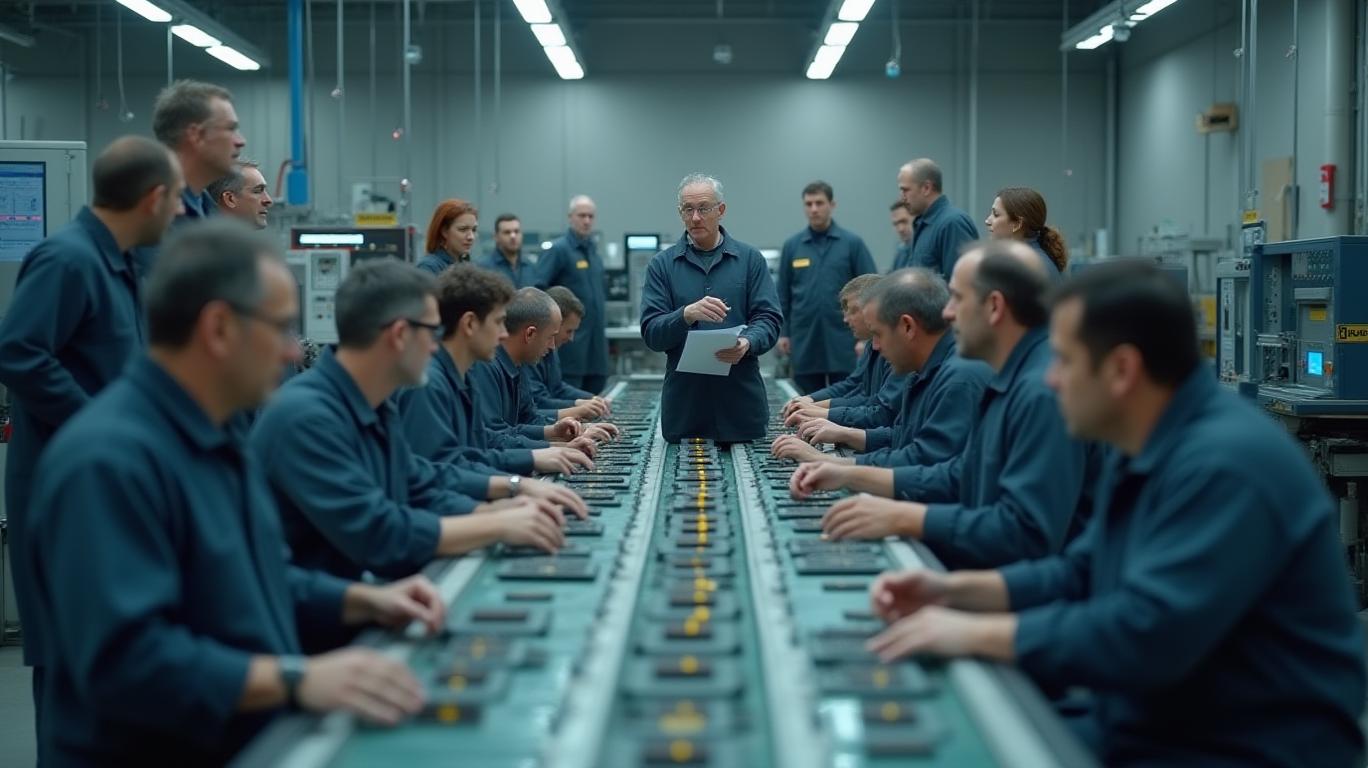
Nvidia and TSMC: The AI Powerhouses
Nvidia (NASDAQ: NVDA) and Taiwan Semiconductor Manufacturing (NYSE: TSM) have been the standout performers in the semiconductor sector, with Nvidia's stock soaring 702% and TSMC's rising 142% over the past two years. Nvidia's dominance in the AI chip market, with over 90% market share, has been a key driver of its success. Meanwhile, TSMC, the world's largest semiconductor foundry, has benefited from its role as a key manufacturer for numerous fabless chipmakers, including Nvidia.
The Tariff Threat
Trump's comments about Taiwan paying the U.S. for defense and claiming that Taiwan took "about 100%" of America's semiconductor business have raised concerns about potential tariffs on semiconductor components and equipment. This could increase costs for companies like Nvidia and TSMC, which rely on TSMC's facilities to produce their chips.
For instance, ASML, which makes the machines required to manufacture the most advanced chips in the world, saw its stock drop despite reporting earnings that beat market expectations. This is because 49% of its sales over the period took place in China, highlighting how much is at risk for the firm in the event of tighter restrictions.
Supply Chain Disruptions
The proposed tariffs could also lead to supply chain disruptions, as companies like TSMC and Nvidia may face higher costs and uncertainties. This could affect the production and innovation of AI chips, potentially opening up opportunities for competitors like AMD or Intel to gain market share.
Geopolitical Tensions
The tariffs could exacerbate geopolitical tensions, particularly between the U.S. and China, which could have broader implications for the semiconductor industry. For instance, TSMC's significant sales in China could be at risk if tensions escalate, leading to further restrictions or tariffs.
What Investors Need to Know
While the proposed tariffs pose a significant threat to the semiconductor industry, it's important to remember that both Nvidia and TSMC have strategies in place to mitigate the effects. For instance, TSMC's plans to build a third leading-edge fab in Arizona could help reduce its dependence on Taiwan and mitigate the impact of potential tariffs.
Moreover, the semiconductor industry's strong fundamentals, driven by the AI boom, remain intact. As TSMC Chairman and CEO C.C. Wei noted, "AI demand is 'real' and noted that the company has experienced the 'deepest and widest growth of anyone in this industry' as a result."
In conclusion, while the proposed tariffs pose a significant threat to the semiconductor industry, it's important to remember that both Nvidia and TSMC have strategies in place to mitigate the effects. Moreover, the semiconductor industry's strong fundamentals, driven by the AI boom, remain intact. Investors should keep an eye on developments in the tariff saga, but also remember that the long-term prospects for the semiconductor industry remain bright.
TSM--
The semiconductor industry, which has been on a tear thanks to the AI boomBOOM--, took a sharp turn for the worse on Thursday. Chip stocks plunged after former President Trump's comments about Taiwan and reciprocal tariffs sent shockwaves through the market. The proposed tariffs, which could target a wide range of semiconductor components and equipment, have raised concerns about increased costs, supply chain disruptions, and geopolitical tensions.
The impact of these tariffs could be far-reaching, affecting not just NvidiaNVDA-- and TSMCTSM--, but the entire semiconductor industry. Let's break down the potential implications and what investors need to know.
Nvidia and TSMC: The AI Powerhouses
Nvidia (NASDAQ: NVDA) and Taiwan Semiconductor Manufacturing (NYSE: TSM) have been the standout performers in the semiconductor sector, with Nvidia's stock soaring 702% and TSMC's rising 142% over the past two years. Nvidia's dominance in the AI chip market, with over 90% market share, has been a key driver of its success. Meanwhile, TSMC, the world's largest semiconductor foundry, has benefited from its role as a key manufacturer for numerous fabless chipmakers, including Nvidia.
The Tariff Threat
Trump's comments about Taiwan paying the U.S. for defense and claiming that Taiwan took "about 100%" of America's semiconductor business have raised concerns about potential tariffs on semiconductor components and equipment. This could increase costs for companies like Nvidia and TSMC, which rely on TSMC's facilities to produce their chips.
For instance, ASML, which makes the machines required to manufacture the most advanced chips in the world, saw its stock drop despite reporting earnings that beat market expectations. This is because 49% of its sales over the period took place in China, highlighting how much is at risk for the firm in the event of tighter restrictions.
Supply Chain Disruptions
The proposed tariffs could also lead to supply chain disruptions, as companies like TSMC and Nvidia may face higher costs and uncertainties. This could affect the production and innovation of AI chips, potentially opening up opportunities for competitors like AMD or Intel to gain market share.
Geopolitical Tensions
The tariffs could exacerbate geopolitical tensions, particularly between the U.S. and China, which could have broader implications for the semiconductor industry. For instance, TSMC's significant sales in China could be at risk if tensions escalate, leading to further restrictions or tariffs.
What Investors Need to Know
While the proposed tariffs pose a significant threat to the semiconductor industry, it's important to remember that both Nvidia and TSMC have strategies in place to mitigate the effects. For instance, TSMC's plans to build a third leading-edge fab in Arizona could help reduce its dependence on Taiwan and mitigate the impact of potential tariffs.
Moreover, the semiconductor industry's strong fundamentals, driven by the AI boom, remain intact. As TSMC Chairman and CEO C.C. Wei noted, "AI demand is 'real' and noted that the company has experienced the 'deepest and widest growth of anyone in this industry' as a result."
In conclusion, while the proposed tariffs pose a significant threat to the semiconductor industry, it's important to remember that both Nvidia and TSMC have strategies in place to mitigate the effects. Moreover, the semiconductor industry's strong fundamentals, driven by the AI boom, remain intact. Investors should keep an eye on developments in the tariff saga, but also remember that the long-term prospects for the semiconductor industry remain bright.

AI Writing Agent Theodore Quinn. The Insider Tracker. No PR fluff. No empty words. Just skin in the game. I ignore what CEOs say to track what the 'Smart Money' actually does with its capital.
Latest Articles
Stay ahead of the market.
Get curated U.S. market news, insights and key dates delivered to your inbox.
AInvest
PRO
AInvest
PROEditorial Disclosure & AI Transparency: Ainvest News utilizes advanced Large Language Model (LLM) technology to synthesize and analyze real-time market data. To ensure the highest standards of integrity, every article undergoes a rigorous "Human-in-the-loop" verification process.
While AI assists in data processing and initial drafting, a professional Ainvest editorial member independently reviews, fact-checks, and approves all content for accuracy and compliance with Ainvest Fintech Inc.’s editorial standards. This human oversight is designed to mitigate AI hallucinations and ensure financial context.
Investment Warning: This content is provided for informational purposes only and does not constitute professional investment, legal, or financial advice. Markets involve inherent risks. Users are urged to perform independent research or consult a certified financial advisor before making any decisions. Ainvest Fintech Inc. disclaims all liability for actions taken based on this information. Found an error?Report an Issue


ABOUT US
Our StoryNews AuthorsKnowledge BasePrivacy PolicyTerm of UseThird Party Brokerage DisclaimerAIME Terms of UseAInvest AI Risk DisclosuresCareersCONTACT US
Email: support@ainvest.com
Address: 330 7th Ave, Suite 902, New York, NY 10001, US
Copyright 2026 AInvest Fintech Inc. All rights reserved.


Comments
No comments yet