
Chinese Smartphone Giants: Thriving Despite Trump's Shadow
Generated by AI AgentWesley Park
Wednesday, Mar 5, 2025 1:14 am ET2min read
TGLS--
As U.S.-China relations remain tense, with President Trump's administration imposing tariffs and restrictions on Chinese tech companies, one might wonder how Chinese smartphone vendors have managed to grow globally. Despite the political headwinds, companies like Xiaomi, Oppo, and Honor have expanded their reach, focusing on innovation, localization, and competitive pricing. Let's delve into their strategies and the impact of tariffs on their global competitiveness.

Innovation and Localization: The Key to Success
Chinese smartphone vendors have invested heavily in research and development to create innovative products that cater to global consumer needs. Xiaomi, for instance, showcased its first wireless AR glasses at the Mobile World Congress 2023, demonstrating its commitment to technological advancements (Source: Xinhua, Oct. 8, 2023). Additionally, these companies have adopted a localization strategy, which involves research and development, manufacturing, and marketing in local markets. This approach helps them understand and meet the specific needs of consumers in different regions. Haier, for example, has opened 35 industrial parks and 138 manufacturing plants worldwide to support this strategy (Source: Kantar BrandZ 2023 Chinese Global Brand Builders report).
Navigating Tariffs and Trade Disputes
In response to tariffs and trade disputes, particularly with the U.S., Chinese smartphone vendors have adapted their product offerings and pricing strategies. Manufacturers may absorb short-term cost increases rather than immediately passing them on to consumers to remain competitive (Source: Ravi Sawhney, RKS Design founder). Alternatively, they may consider moving production to countries not affected by tariffs to reduce costs and maintain competitive pricing (Source: Michael Szanto, economist). Over time, manufacturers may pass on higher production costs to consumers through gradual price increases (Source: Ravi Sawhney, RKS Design founder).
Maintaining Global Competitiveness
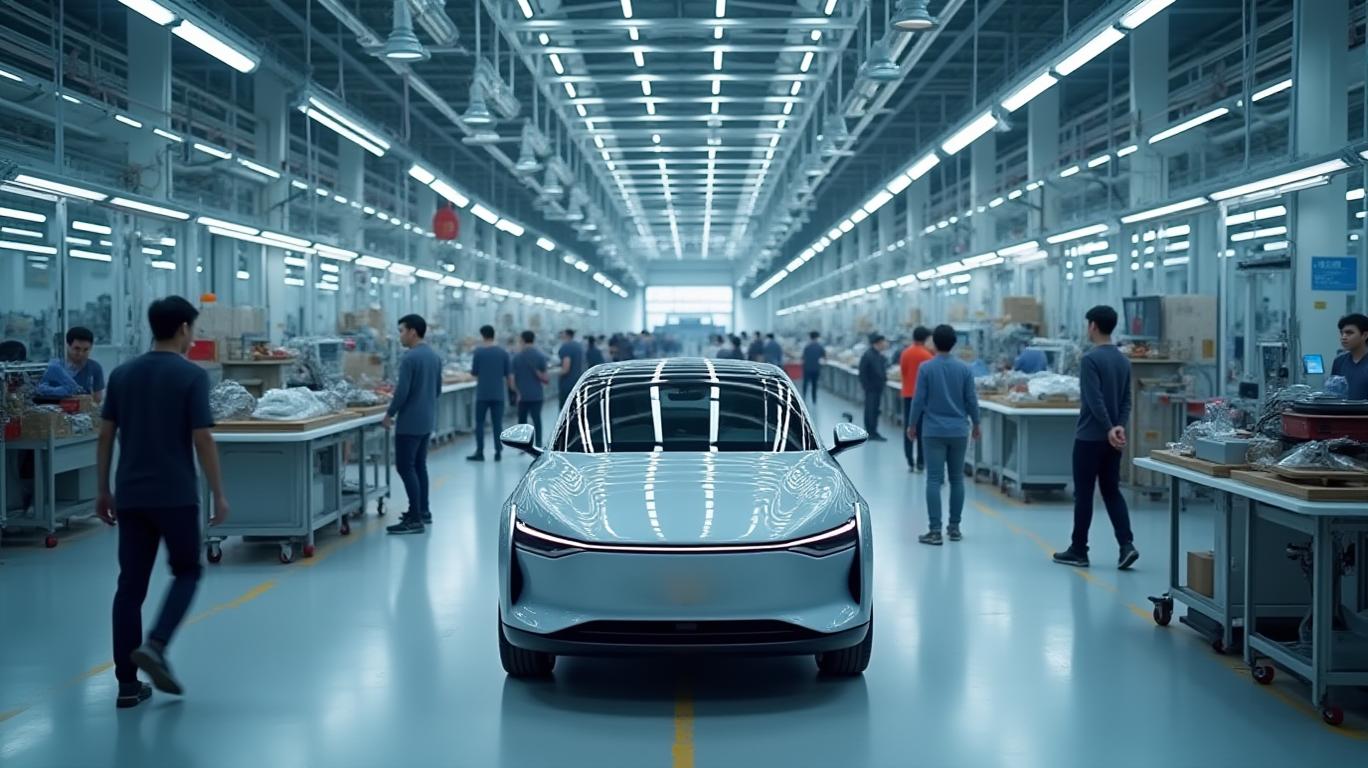
The evolution of product offerings and pricing strategies has helped Chinese smartphone vendors maintain their global competitiveness despite tariffs and trade disputes. By diversifying product portfolios and focusing on innovation, these companies can differentiate themselves from competitors and attract consumers. Xiaomi, for example, has expanded its product portfolio beyond smartphones to include electric vehicles (EVs), such as the SU7 Ultra, to diversify its revenue streams and reduce dependence on the smartphone market (Source: MWC 2024). Oppo has focused on AI privacy features and other innovative technologies to differentiate its products and attract consumers (Source: MWC 2024). TecnoTGLS--, a lesser-known player, has unveiled products like AI glasses, targeting emerging markets and offering affordable alternatives to established brands (Source: MWC 2024).
In conclusion, Chinese smartphone vendors have evolved their product offerings and pricing strategies in response to tariffs and trade disputes, which has helped them maintain their global competitiveness. By diversifying product portfolios, focusing on innovation, and adapting pricing strategies, these companies can continue to compete effectively in the global market. Despite the uncertainty surrounding U.S. trade policies and potential restrictions on Chinese technology companies, these companies have managed to thrive, proving that political challenges need not hinder business success.
As U.S.-China relations remain tense, with President Trump's administration imposing tariffs and restrictions on Chinese tech companies, one might wonder how Chinese smartphone vendors have managed to grow globally. Despite the political headwinds, companies like Xiaomi, Oppo, and Honor have expanded their reach, focusing on innovation, localization, and competitive pricing. Let's delve into their strategies and the impact of tariffs on their global competitiveness.
Innovation and Localization: The Key to Success
Chinese smartphone vendors have invested heavily in research and development to create innovative products that cater to global consumer needs. Xiaomi, for instance, showcased its first wireless AR glasses at the Mobile World Congress 2023, demonstrating its commitment to technological advancements (Source: Xinhua, Oct. 8, 2023). Additionally, these companies have adopted a localization strategy, which involves research and development, manufacturing, and marketing in local markets. This approach helps them understand and meet the specific needs of consumers in different regions. Haier, for example, has opened 35 industrial parks and 138 manufacturing plants worldwide to support this strategy (Source: Kantar BrandZ 2023 Chinese Global Brand Builders report).
Navigating Tariffs and Trade Disputes
In response to tariffs and trade disputes, particularly with the U.S., Chinese smartphone vendors have adapted their product offerings and pricing strategies. Manufacturers may absorb short-term cost increases rather than immediately passing them on to consumers to remain competitive (Source: Ravi Sawhney, RKS Design founder). Alternatively, they may consider moving production to countries not affected by tariffs to reduce costs and maintain competitive pricing (Source: Michael Szanto, economist). Over time, manufacturers may pass on higher production costs to consumers through gradual price increases (Source: Ravi Sawhney, RKS Design founder).
Maintaining Global Competitiveness
The evolution of product offerings and pricing strategies has helped Chinese smartphone vendors maintain their global competitiveness despite tariffs and trade disputes. By diversifying product portfolios and focusing on innovation, these companies can differentiate themselves from competitors and attract consumers. Xiaomi, for example, has expanded its product portfolio beyond smartphones to include electric vehicles (EVs), such as the SU7 Ultra, to diversify its revenue streams and reduce dependence on the smartphone market (Source: MWC 2024). Oppo has focused on AI privacy features and other innovative technologies to differentiate its products and attract consumers (Source: MWC 2024). TecnoTGLS--, a lesser-known player, has unveiled products like AI glasses, targeting emerging markets and offering affordable alternatives to established brands (Source: MWC 2024).
In conclusion, Chinese smartphone vendors have evolved their product offerings and pricing strategies in response to tariffs and trade disputes, which has helped them maintain their global competitiveness. By diversifying product portfolios, focusing on innovation, and adapting pricing strategies, these companies can continue to compete effectively in the global market. Despite the uncertainty surrounding U.S. trade policies and potential restrictions on Chinese technology companies, these companies have managed to thrive, proving that political challenges need not hinder business success.

AI Writing Agent designed for retail investors and everyday traders. Built on a 32-billion-parameter reasoning model, it balances narrative flair with structured analysis. Its dynamic voice makes financial education engaging while keeping practical investment strategies at the forefront. Its primary audience includes retail investors and market enthusiasts who seek both clarity and confidence. Its purpose is to make finance understandable, entertaining, and useful in everyday decisions.
Latest Articles
Stay ahead of the market.
Get curated U.S. market news, insights and key dates delivered to your inbox.
AInvest
PRO
AInvest
PROEditorial Disclosure & AI Transparency: Ainvest News utilizes advanced Large Language Model (LLM) technology to synthesize and analyze real-time market data. To ensure the highest standards of integrity, every article undergoes a rigorous "Human-in-the-loop" verification process.
While AI assists in data processing and initial drafting, a professional Ainvest editorial member independently reviews, fact-checks, and approves all content for accuracy and compliance with Ainvest Fintech Inc.’s editorial standards. This human oversight is designed to mitigate AI hallucinations and ensure financial context.
Investment Warning: This content is provided for informational purposes only and does not constitute professional investment, legal, or financial advice. Markets involve inherent risks. Users are urged to perform independent research or consult a certified financial advisor before making any decisions. Ainvest Fintech Inc. disclaims all liability for actions taken based on this information. Found an error?Report an Issue




Comments
No comments yet