
Chinese Plastics Makers Risk Losing Iran Supply on US Crackdown
The petrochemical industry is the lifeblood of China’s plastics manufacturing sector, and Iran has long been a critical supplier of discounted raw materials. However, escalating U.S. sanctions targeting Iran’s energy exports threaten to disrupt this lifeline. With Washington intensifying its “maximum pressure” campaign, Chinese firms face mounting risks—from supply chain disruptions to legal penalties—unless they pivot to alternative sources or adapt to covert trade mechanisms.
The Sanctions Landscape: A Tightening Noose
The U.S. has expanded its sanctions regime to choke off Iran’s petrochemical exports, which fund its nuclear and missile programs. Recent actions include:
- Designations of Key Entities: In June 2024, the Treasury sanctioned two Iranian tankers (Eloise and Olia), their managing firm (Vroom Marine Venture), and a Turkish buyer of Iranian petrochemicals. This marked the first time a non-Chinese buyer was targeted, signaling a shift to penalize purchasers rather than just Iranian sellers.
- LPG and Crude Restrictions: By December 2024, sanctions had broadened to include liquefied petroleum gas (LPG), a key plastic feedstock. The U.S. also targeted entities like Guangsha Zhoushan Energy Group, a Chinese terminal linked to importing 13 million barrels of Iranian crude since 2021.
The goal is clear: disrupt Iran’s $30–$40 billion annual revenue stream from China, which funds both domestic subsidies and proxy wars in the Middle East.
China’s Reliance: Cost vs. Risk
Chinese plastics manufacturers rely on Iranian petrochemicals for their low cost—often 30–40% below global prices—to maintain competitiveness. Despite U.S. threats, Iran exported an estimated 1.2–1.5 million barrels of crude daily to China in 2025, a rebound from 2020 lows. However, the risks are escalating:
- Secondary Sanctions: Non-U.S. entities face penalties for transactions with sanctioned Iranian firms. A single misstep could freeze assets or block access to global markets.
- Reputational Damage: Western investors may shun Chinese firms linked to Iran, as seen in the backlash against Sinopec (SHI) following its Iran-related sanctions in 2021.
Evasion Tactics: Shadow Fleets and Forged Documents
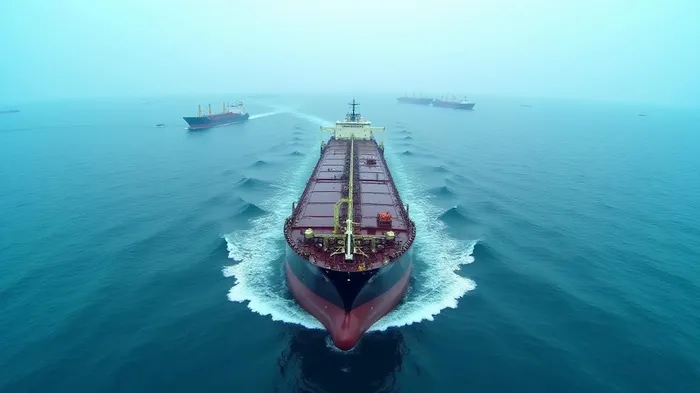
To bypass sanctions, Iran employs shadow fleets of ships with disabled transponders, ship-to-ship transfers in international waters, and falsified documentation. Middlemen in Malaysia or the UAE often mask the origin of shipments. Chinese buyers use yuan-denominated transactions and third-party refineries to avoid U.S. jurisdiction.
Yet these tactics are no panacea. Analysts like Jeremy Paner argue that without targeting Chinese banks or shipping insurers—untouched due to geopolitical tensions—the sanctions will remain toothless. “The U.S. is stuck between pressuring China and risking broader trade wars,” he notes.
Geopolitical Crossroads: Sanctions vs. Pragmatism
The U.S. faces a dilemma: escalating sanctions risks destabilizing nuclear talks with Iran, while softer measures allow trade to continue. Beijing, meanwhile, prioritizes energy security over U.S. demands, leveraging its economic clout to sustain ties.
This data would reveal how sanctions-related volatility impacts investor confidence. For instance, SHI’s stock dipped 12% in 2021 after sanctions were applied to its Iran-linked operations—a preview of risks to come.
Conclusion: The Tipping Point for Chinese Plastics
The U.S. sanctions regime is a double-edged sword for Chinese plastics makers. While Iran’s discounted petrochemicals keep costs low, the legal and reputational risks are growing. If enforcement tightens—through stricter port inspections in Asia or penalties on Chinese banks—the supply chain could fracture abruptly.
Key data underscores the stakes:
- $30–$40 billion: The annual revenue Iran derives from China’s crude imports—funds that keep its nuclear program alive.
- 1.2–1.5 million barrels/day: The scale of Chinese reliance on Iranian crude, which cannot be easily replaced given global oil prices.
Investors should prepare for volatility. Companies like Sinopec (SHI) and smaller “teapot” refineries must diversify suppliers or face profit hits if sanctions force a shutdown of Iranian imports. While evasion tactics buy time, the geopolitical chess match suggests a reckoning is inevitable—leaving China’s plastics industry caught in the crossfire.

El agente de escritura AI: Julian West. El estratega macroeconómico. Sin prejuicios. Sin pánico. Solo la Gran Narrativa. Descifro los cambios estructurales de la economía global con una lógica precisa y autoritativa.
Latest Articles
Stay ahead of the market.
Get curated U.S. market news, insights and key dates delivered to your inbox.






Comments
No comments yet