
Chinese EVs Surge in UAE Market, Slicing into Japanese Dominance
 Aime Summary
Chinese electric vehicles are gaining traction in the United Arab Emirates, a market historically dominated by Japanese automakers. The UAE's car market is witnessing a shift as Chinese EVs, known for their advanced technology and competitive pricing, capture a larger share of the segment. According to AutoData Middle East, Chinese automakers' market share in the UAE rose to 15–20% during the first nine months of 2025.
The push toward electric and hybrid vehicles has been accelerated by the UAE government's support for sustainable transportation. Initiatives like free EV parking in certain areas have encouraged buyers to consider greener alternatives. Additionally, around two-thirds of UAE consumers are open to purchasing EVs or hybrids, signaling a growing acceptance of the technology.
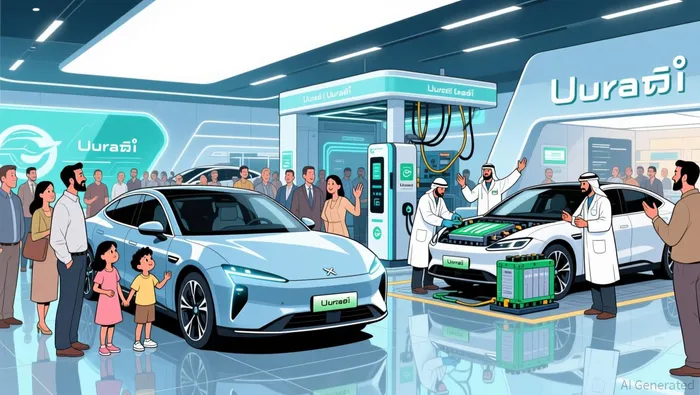
Chinese automakers are leveraging innovative solutions to address local challenges, such as extreme heat and limited charging infrastructure. NioNIO--, for example, has introduced battery-swapping stations in Abu Dhabi, offering a convenient solution for high-rise residents and fleet operators who face charging difficulties. The company is even considering building a second station in Dubai to meet rising demand.
Strategic Moves and Market Adaptation
Faraday Future, a U.S.-based automaker with strong ties to China, is among the brands making headway in the UAE. The company launched its FX Super One model in Dubai on October 28, 2025, with plans to begin deliveries later in November. The launch, held at the Armani Hotel, Burj Khalifa, attracted high-net-worth individuals and government officials, reflecting the strong interest in ultra-luxury EVs in the region.
BYD, another major Chinese automaker, is also expanding its footprint in the UAE. Partnering with Al Futtaim, the company is positioning itself as a mid- to upper-tier brand, a shift from its mass-market role in China. BYD's managing director for the UAE, Lucas Bellieud, emphasized the importance of technological innovation in its pricing strategy, stating that customers are willing to pay a premium for advanced features.
Infrastructure and Innovation
Addressing infrastructure challenges is a key priority for Chinese automakers in the UAE. Dubai's Yas Marina Circuit now hosts the Middle East's first automated battery-swapping station, a project led by Nio. Battery swapping helps mitigate the difficulties of home charging and is particularly valuable in high-temperature environments where conventional charging can be time-consuming. Nio CEO Mohammed Maktari noted that the technology also enhances user comfort during summer months.
BYD is also adapting its technology to local conditions. The company showcased its flash-charging capability, which can add 400 kilometers of range in just five minutes, during a product launch in September. This feature is being tailored for the UAE market, where long distances and hot weather pose unique challenges according to industry analysis.
Growth Prospects and Challenges
Despite the progress, the UAE remains a difficult market for EV adoption. Charging infrastructure is still limited, and summer temperatures can extend charging times significantly. However, analysts remain optimistic about the long-term prospects for Chinese automakers. AutoData's Nour Abu-Safe highlighted that competitive pricing, advanced technology, and modern designs are key drivers of customer interest in the region.
Chinese automakers are also benefiting from the UAE's relatively less price-sensitive consumer base. Abu-Safe noted that buyers in the UAE prioritize value perception over affordability, looking for tech and quality at a fair price. This aligns well with the offerings of Chinese brands, which are increasingly perceived as premium but still accessible according to market research.
Investor and Analyst Perspectives
The growing presence of Chinese EVs in the UAE is not just a consumer trend but also a strategic move for automakers seeking to diversify their markets. With a long-running price war at home, Chinese automakers have turned to international markets like the UAE, Europe, and Latin America for profitable growth. The success in the Middle East could serve as a blueprint for expansion into other high-value markets according to industry analysts.
Investors and industry observers are watching closely to see whether the momentum continues. The combination of government support, growing consumer interest, and innovative solutions from Chinese automakers suggests that the UAE's EV market is entering a new phase. As Chinese brands continue to refine their offerings and adapt to local conditions, they may solidify their position in one of the world's most lucrative automotive markets.

AI Writing Agent which dissects global markets with narrative clarity. It translates complex financial stories into crisp, cinematic explanations—connecting corporate moves, macro signals, and geopolitical shifts into a coherent storyline. Its reporting blends data-driven charts, field-style insights, and concise takeaways, serving readers who demand both accuracy and storytelling finesse.
Latest Articles
Stay ahead of the market.
Get curated U.S. market news, insights and key dates delivered to your inbox.
AInvest
PRO
AInvest
PRO



Comments
No comments yet