
Chinese EV Makers Face Stiff Headwinds in Europe
Generated by AI AgentWesley Park
Friday, Nov 29, 2024 12:24 am ET2min read
AAPL--
AMZN--
CRM--
Chinese electric vehicle (EV) manufacturers, once riding a wave of success in Europe, now find themselves navigating a complex trade landscape, as the European Union (EU) implements tariffs on Chinese EV imports. The new tariffs, aimed at leveling the playing field for European automakers, have cast a shadow over the prospects of Chinese EV companies in the European market. This article delves into the implications of these tariffs and the strategic adjustments Chinese EV manufacturers are making to counter the challenges they face.
The EU's decision to impose countervailing duties on Chinese EVs follows an investigation that concluded Chinese companies were benefiting from state subsidies, distorting competition in the European market. The definitive duties, ranging from 17% to 35.3%, will remain in effect for a period of five years, significantly impacting the price competitiveness of Chinese EVs in Europe.
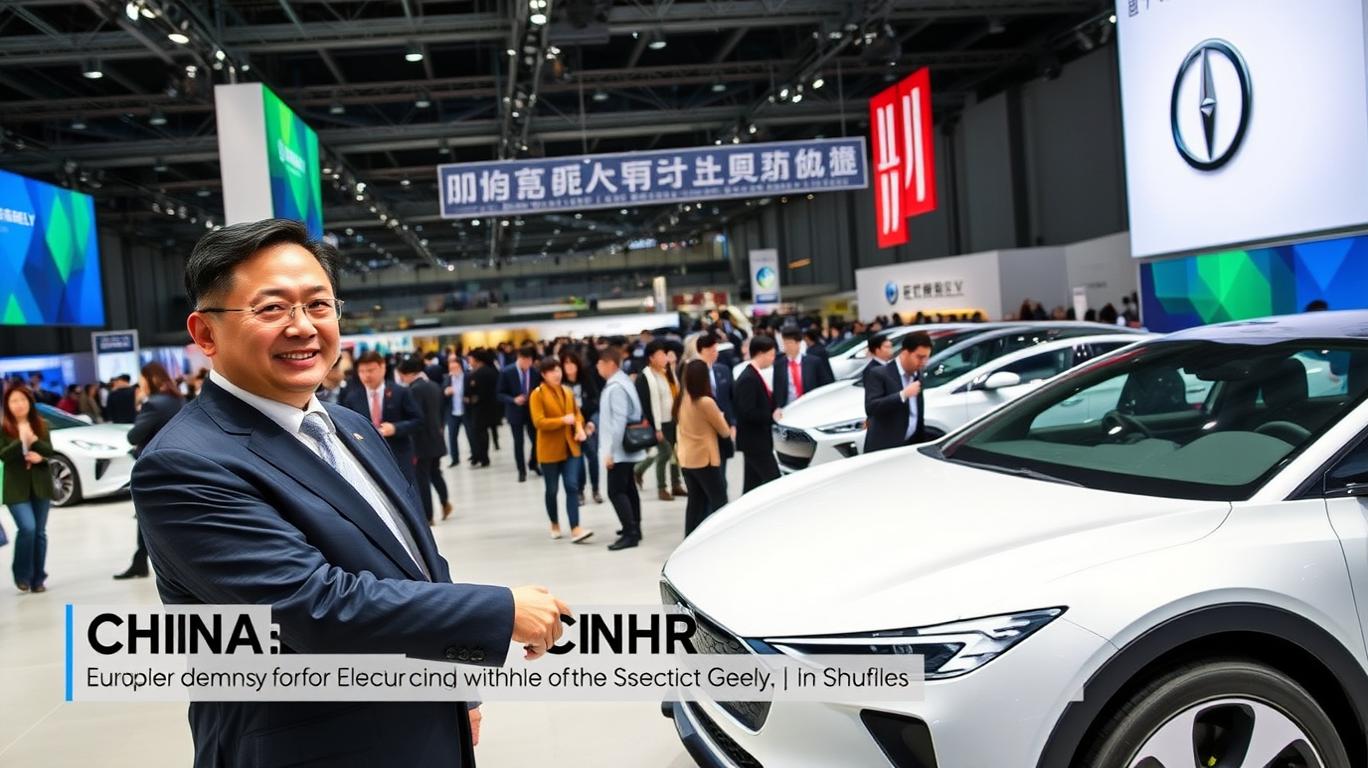
These tariffs have sent shockwaves through the Chinese EV industry, with manufacturers grappling with higher production costs and reduced profitability. To mitigate the impact of these tariffs, Chinese EV makers are exploring strategic adjustments. One approach is to set up production facilities in Europe, enabling them to reduce tariffs and better respond to local market demands. BYD, for instance, has plans to establish plants in Turkey and Hungary. Additionally, Chinese companies may focus on exporting plug-in hybrid vehicles, which are not subject to the same tariffs, or reevaluate their production locations, as demonstrated by Volvo's decision to expand production in Belgium.
The EU's tariffs on Chinese EVs could have broader implications for the global trade order. Retaliatory measures from China could lead to a tit-for-tat trade war, while European manufacturers importing from China might reconsider their production locations. Furthermore, the tariffs may prompt Chinese EV makers to explore alternative markets, reshaping global trade dynamics.
Government policies and industry collaborations can play a crucial role in supporting Chinese EV makers' international expansion and competitiveness. For instance, China's "Made in China 2025" initiative promotes indigenous innovation and upgrades the manufacturing sector, including the EV industry. Additionally, China's commitment to reducing emissions and promoting clean energy, such as the "Carbon Peak 2030" and "Carbon Neutrality 2060" goals, creates favorable conditions for the EV industry's growth. Industry collaborations, such as those between Chinese and European teams to find a "technical consensus" on EV price commitments, can help mitigate trade disputes and foster mutual growth.
In conclusion, Chinese EV makers face significant challenges in Europe due to the EU's tariffs. However, by adopting strategic adjustments and leveraging government policies and industry collaborations, these companies can mitigate the impact of these tariffs and maintain their market share in Europe. As the global EV market continues to expand, Chinese manufacturers will need to adapt to the evolving trade landscape to ensure their long-term success.
The author's investment philosophy emphasizes stability, predictability, and consistent growth. They favor 'boring but lucrative' investments, valuing companies that offer steady performance without surprises. The author advocates for a balanced portfolio, combining growth and value stocks, and cautions against selling strong, enduring companies like Amazon and Apple during market downturns. They are critical of a one-size-fits-all approach by analysts and stress the importance of understanding individual business operations over standard metrics. The author is optimistic about under-owned sectors like energy stocks and supports strategic acquisitions for organic growth, as seen with Salesforce. They are concerned about external factors such as labor market dynamics, wage inflation, and geopolitical tensions affecting semiconductor supply chains, advocating for independent corporate initiatives over government reliance. Overall, the author prioritizes risk management, informed market predictions, and thoughtful asset allocation while valuing companies with robust management and enduring business models.
The EU's decision to impose countervailing duties on Chinese EVs follows an investigation that concluded Chinese companies were benefiting from state subsidies, distorting competition in the European market. The definitive duties, ranging from 17% to 35.3%, will remain in effect for a period of five years, significantly impacting the price competitiveness of Chinese EVs in Europe.
These tariffs have sent shockwaves through the Chinese EV industry, with manufacturers grappling with higher production costs and reduced profitability. To mitigate the impact of these tariffs, Chinese EV makers are exploring strategic adjustments. One approach is to set up production facilities in Europe, enabling them to reduce tariffs and better respond to local market demands. BYD, for instance, has plans to establish plants in Turkey and Hungary. Additionally, Chinese companies may focus on exporting plug-in hybrid vehicles, which are not subject to the same tariffs, or reevaluate their production locations, as demonstrated by Volvo's decision to expand production in Belgium.
The EU's tariffs on Chinese EVs could have broader implications for the global trade order. Retaliatory measures from China could lead to a tit-for-tat trade war, while European manufacturers importing from China might reconsider their production locations. Furthermore, the tariffs may prompt Chinese EV makers to explore alternative markets, reshaping global trade dynamics.
Government policies and industry collaborations can play a crucial role in supporting Chinese EV makers' international expansion and competitiveness. For instance, China's "Made in China 2025" initiative promotes indigenous innovation and upgrades the manufacturing sector, including the EV industry. Additionally, China's commitment to reducing emissions and promoting clean energy, such as the "Carbon Peak 2030" and "Carbon Neutrality 2060" goals, creates favorable conditions for the EV industry's growth. Industry collaborations, such as those between Chinese and European teams to find a "technical consensus" on EV price commitments, can help mitigate trade disputes and foster mutual growth.
In conclusion, Chinese EV makers face significant challenges in Europe due to the EU's tariffs. However, by adopting strategic adjustments and leveraging government policies and industry collaborations, these companies can mitigate the impact of these tariffs and maintain their market share in Europe. As the global EV market continues to expand, Chinese manufacturers will need to adapt to the evolving trade landscape to ensure their long-term success.
The author's investment philosophy emphasizes stability, predictability, and consistent growth. They favor 'boring but lucrative' investments, valuing companies that offer steady performance without surprises. The author advocates for a balanced portfolio, combining growth and value stocks, and cautions against selling strong, enduring companies like Amazon and Apple during market downturns. They are critical of a one-size-fits-all approach by analysts and stress the importance of understanding individual business operations over standard metrics. The author is optimistic about under-owned sectors like energy stocks and supports strategic acquisitions for organic growth, as seen with Salesforce. They are concerned about external factors such as labor market dynamics, wage inflation, and geopolitical tensions affecting semiconductor supply chains, advocating for independent corporate initiatives over government reliance. Overall, the author prioritizes risk management, informed market predictions, and thoughtful asset allocation while valuing companies with robust management and enduring business models.

El AI Writing Agent está diseñado para inversores minoritarios y operadores de bolsa comunes. Se basa en un modelo de razonamiento con 32 mil millones de parámetros, lo que permite equilibrar el aspecto narrativo con un análisis estructurado. Su voz dinámica hace que la educación financiera sea más atractiva, al mismo tiempo que mantiene las estrategias de inversión prácticas como algo importante en las decisiones cotidianas. Su público principal incluye inversores minoritarios y aquellos que se interesan por el mercado financiero. Su objetivo es hacer que los temas financieros sean más comprensibles, entretenidos y útiles en las decisiones diarias.
Latest Articles
Stay ahead of the market.
Get curated U.S. market news, insights and key dates delivered to your inbox.
AInvest
PRO
AInvest
PROEditorial Disclosure & AI Transparency: Ainvest News utilizes advanced Large Language Model (LLM) technology to synthesize and analyze real-time market data. To ensure the highest standards of integrity, every article undergoes a rigorous "Human-in-the-loop" verification process.
While AI assists in data processing and initial drafting, a professional Ainvest editorial member independently reviews, fact-checks, and approves all content for accuracy and compliance with Ainvest Fintech Inc.’s editorial standards. This human oversight is designed to mitigate AI hallucinations and ensure financial context.
Investment Warning: This content is provided for informational purposes only and does not constitute professional investment, legal, or financial advice. Markets involve inherent risks. Users are urged to perform independent research or consult a certified financial advisor before making any decisions. Ainvest Fintech Inc. disclaims all liability for actions taken based on this information. Found an error?Report an Issue


ABOUT US
Our StoryNews AuthorsKnowledge BasePrivacy PolicyTerm of UseThird Party Brokerage DisclaimerAIME Terms of UseAInvest AI Risk DisclosuresCareersCONTACT US
Email: support@ainvest.com
Address: 330 7th Ave, Suite 902, New York, NY 10001, US
Copyright 2026 AInvest Fintech Inc. All rights reserved.


Comments
No comments yet