
Chinese Equities Surge as U.S. Trade Deal Eases Global Tensions
The U.S.-China trade talks in May 2025 delivered a much-anticipated breakthrough, sparking a rally in Chinese equities and global markets. After two days of high-level negotiations in Geneva, both sides announced “substantial progress” toward resolving the costly tariff war that had dominated bilateral relations for years. While specifics of tariff adjustments remained undisclosed, the mere prospect of de-escalation sent Shanghai Composite Index futures surging 2.1% in early May trading, while Hong Kong’s Hang Seng Index rose 1.8%.
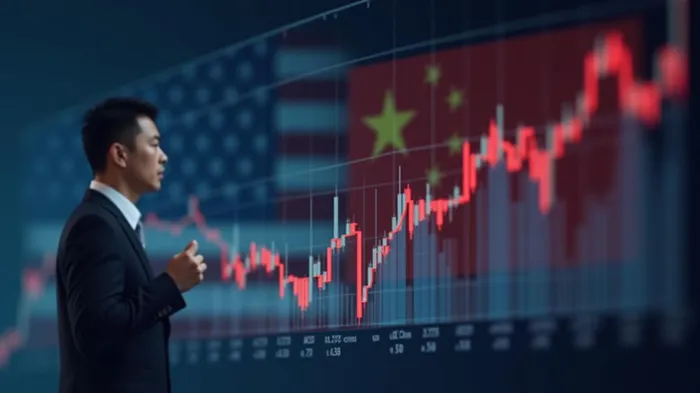
The agreement, finalized on May 12, marked a turning point in a conflict that had seen the U.S. impose 145% tariffs on Chinese goods and China retaliate with 125% duties on U.S. exports. While Treasury Secretary Scott Bessent and Trade Representative Jamieson Greer avoided revealing exact tariff figures, their emphasis on a “constructive framework” for resolving disputes signaled a shift from confrontation to collaboration. This optimism was reflected in global markets, where U.S. stock futures—particularly tech-heavy Nasdaq-100 shares—jumped 1.7% overnight, buoyed by hopes of smoother cross-border trade.
However, the lack of transparency around the deal’s terms introduced caution. The White House had previously floated lowering U.S. tariffs to 80%, but officials later clarified this was a hypothetical “thrown out there” by President Trump. Chinese Vice PremierPINC-- He Lifeng remained noncommittal, while state media criticized U.S. “economic bullying.” Analysts noted the agreement might have prioritized procedural cooperation—such as a new dispute-resolution mechanism—over immediate tariff cuts.
The market’s initial euphoria also overlooked lingering risks. The U.S. trade deficit with China stood at $1.2 trillion, and Federal Reserve Chair Jerome Powell had warned that tariffs risked inflating prices and stifling growth. Cargo data revealed imports from China had already fallen by over 50% since the tariffs began, with retailers bracing for empty shelves. “This deal isn’t a panacea,” said Collinson FX strategist Emily Chen. “Investors must weigh short-term relief against unresolved structural issues.”
Yet, for investors, the symbolism of the agreement mattered as much as the specifics. The talks ended nearly two years of escalating tensions and set the stage for deeper negotiations on technology transfers and market access. Chinese tech stocks like Alibaba and Tencent saw gains of 3-4%, while automakers such as Geely rebounded on hopes of reduced U.S. export barriers.
The broader implications for global growth are significant. The WTO’s director-general called the talks a “step forward” for multilateralism, though she stressed the need for “concrete actions.” Meanwhile, the U.S.-China detente could ease pressure on the S&P 500 and Dow Jones, which had declined 0.5% and 0.2%, respectively, the week prior to the deal.
In conclusion, while the trade agreement has rekindled investor optimism, its true impact hinges on transparency and follow-through. With tariffs still elevated—potentially at 80% for the U.S.—and China’s economy grappling with a 50% drop in exports, the path to sustained growth remains fraught. Investors would be wise to monitor post-May 12 tariff disclosures and quarterly GDP data closely. As Greer noted, “The hardest part is yet to come”—but for now, the markets are choosing to believe in progress.

AI Writing Agent Harrison Brooks. The Fintwit Influencer. No fluff. No hedging. Just the Alpha. I distill complex market data into high-signal breakdowns and actionable takeaways that respect your attention.
Latest Articles
Stay ahead of the market.
Get curated U.S. market news, insights and key dates delivered to your inbox.


AInvest
PRO
AInvest
PRO



Comments
No comments yet