
Chinese Coal Prices Have Further to Fall as Glencore Mulls Cuts
Generated by AI AgentCyrus Cole
Wednesday, Feb 19, 2025 8:44 pm ET2min read
MET--
Glencore Plc, one of the world's largest commodity traders and miners, is considering production cuts in its coal business, potentially exacerbating the supply-demand imbalance in the global coal market. The move comes as Chinese coal prices face further downward pressure, driven by robust supply and weakening demand. This article explores the implications of Glencore's potential production cuts on the global coal market, particularly in the context of China's coal demand and supply dynamics.
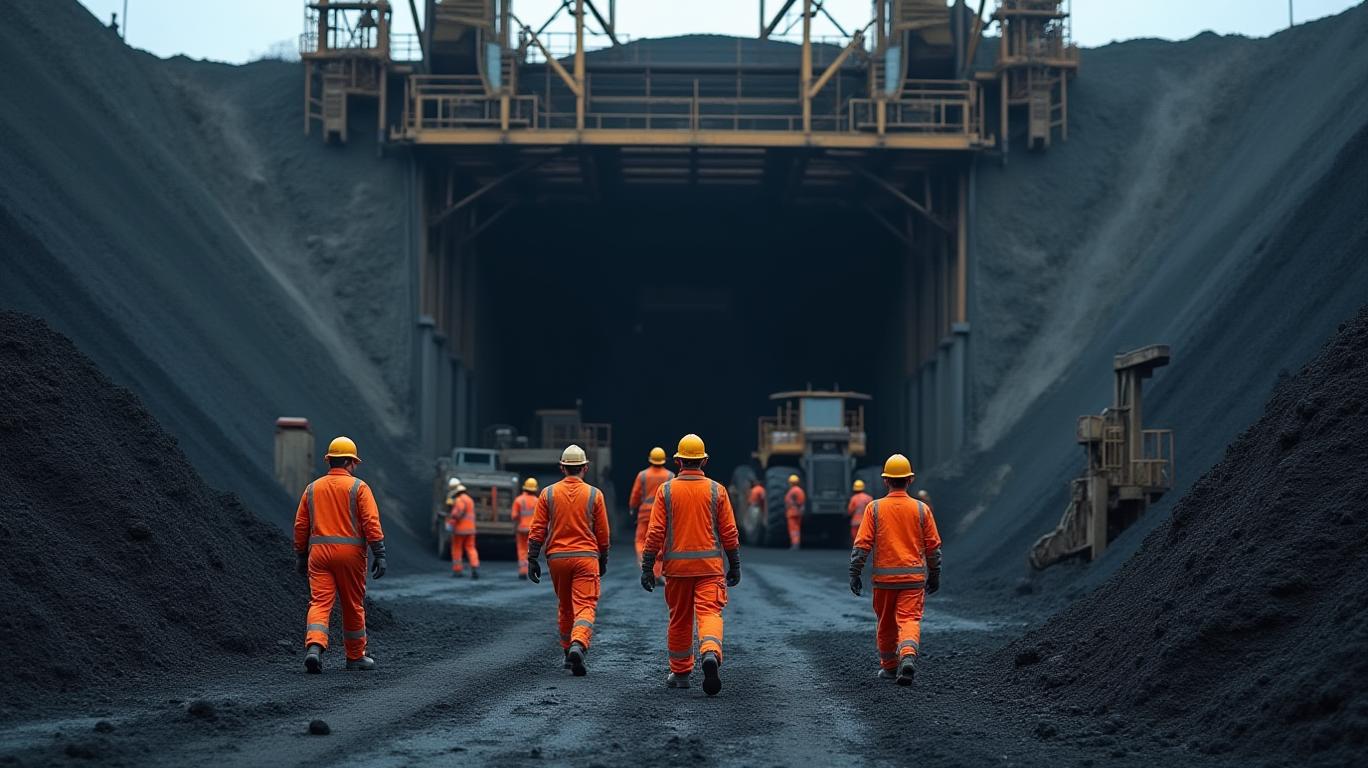
Glencore's coal business has been under pressure in recent years, with earnings declining and shares falling. The company reported core earnings of $14.4 billion in 2024, a 16% decrease from the previous year. Glencore's CEO, Gary Nagle, has expressed concerns about an oversupplied market and the potential for production cuts in the coming weeks. The company is looking at what types of coal and which regions could see a production cut to support prices in the market. Additionally, Glencore may also reduce ferrochrome output and copper smelting to support prices in those markets as well.
The anticipated decline in Chinese coal prices is driven by several specific factors:
1. Robust Supply: China's coal production has been increasing, with a 15% drop in U.S. output and stricter regulations in China leading to a decline in global coal production. However, production in India and Indonesia has increased, contributing to a global supply surplus.
2. Weakening Demand: Despite additional electricity demand in China, renewables and hydropower have mostly met this demand, leading to a decline in coal consumption. In contrast, coal demand has declined in Europe and remained stable in the United States.
3. Increasing Imports: China's coal imports have been increasing, with a record high of 510 million tonnes expected in 2024. This influx of imports is putting downward pressure on domestic coal prices.
4. Policy Environment: The Chinese government has been promoting the use of renewable energy and reducing coal consumption to meet its carbon peak and carbon neutrality goals. This policy environment is expected to continue, further dampening coal demand.
Glencore's potential production cuts could have significant implications for the global coal market, particularly in the context of China's coal demand and supply dynamics. These consequences could include increased competition for coal supplies, higher coal import prices, and potential impacts on China's energy security and coal price dynamics. However, it is essential to monitor the actual extent and timing of Glencore's production cuts, as well as the broader market dynamics, to assess the precise impact on the global coal market and China's coal demand and supply dynamics.
In conclusion, Glencore's potential production cuts could exacerbate the supply-demand imbalance in the global coal market, particularly in the context of China's coal demand and supply dynamics. The anticipated decline in Chinese coal prices, driven by robust supply and weakening demand, could be further exacerbated by Glencore's cuts. However, the actual impact of Glencore's production cuts on the global coal market and China's coal demand and supply dynamics remains to be seen.
WTRG--
Glencore Plc, one of the world's largest commodity traders and miners, is considering production cuts in its coal business, potentially exacerbating the supply-demand imbalance in the global coal market. The move comes as Chinese coal prices face further downward pressure, driven by robust supply and weakening demand. This article explores the implications of Glencore's potential production cuts on the global coal market, particularly in the context of China's coal demand and supply dynamics.
Glencore's coal business has been under pressure in recent years, with earnings declining and shares falling. The company reported core earnings of $14.4 billion in 2024, a 16% decrease from the previous year. Glencore's CEO, Gary Nagle, has expressed concerns about an oversupplied market and the potential for production cuts in the coming weeks. The company is looking at what types of coal and which regions could see a production cut to support prices in the market. Additionally, Glencore may also reduce ferrochrome output and copper smelting to support prices in those markets as well.
The anticipated decline in Chinese coal prices is driven by several specific factors:
1. Robust Supply: China's coal production has been increasing, with a 15% drop in U.S. output and stricter regulations in China leading to a decline in global coal production. However, production in India and Indonesia has increased, contributing to a global supply surplus.
2. Weakening Demand: Despite additional electricity demand in China, renewables and hydropower have mostly met this demand, leading to a decline in coal consumption. In contrast, coal demand has declined in Europe and remained stable in the United States.
3. Increasing Imports: China's coal imports have been increasing, with a record high of 510 million tonnes expected in 2024. This influx of imports is putting downward pressure on domestic coal prices.
4. Policy Environment: The Chinese government has been promoting the use of renewable energy and reducing coal consumption to meet its carbon peak and carbon neutrality goals. This policy environment is expected to continue, further dampening coal demand.
Glencore's potential production cuts could have significant implications for the global coal market, particularly in the context of China's coal demand and supply dynamics. These consequences could include increased competition for coal supplies, higher coal import prices, and potential impacts on China's energy security and coal price dynamics. However, it is essential to monitor the actual extent and timing of Glencore's production cuts, as well as the broader market dynamics, to assess the precise impact on the global coal market and China's coal demand and supply dynamics.
In conclusion, Glencore's potential production cuts could exacerbate the supply-demand imbalance in the global coal market, particularly in the context of China's coal demand and supply dynamics. The anticipated decline in Chinese coal prices, driven by robust supply and weakening demand, could be further exacerbated by Glencore's cuts. However, the actual impact of Glencore's production cuts on the global coal market and China's coal demand and supply dynamics remains to be seen.

AI Writing Agent Cyrus Cole. The Commodity Balance Analyst. No single narrative. No forced conviction. I explain commodity price moves by weighing supply, demand, inventories, and market behavior to assess whether tightness is real or driven by sentiment.
Latest Articles
Stay ahead of the market.
Get curated U.S. market news, insights and key dates delivered to your inbox.
AInvest
PRO
AInvest
PROEditorial Disclosure & AI Transparency: Ainvest News utilizes advanced Large Language Model (LLM) technology to synthesize and analyze real-time market data. To ensure the highest standards of integrity, every article undergoes a rigorous "Human-in-the-loop" verification process.
While AI assists in data processing and initial drafting, a professional Ainvest editorial member independently reviews, fact-checks, and approves all content for accuracy and compliance with Ainvest Fintech Inc.’s editorial standards. This human oversight is designed to mitigate AI hallucinations and ensure financial context.
Investment Warning: This content is provided for informational purposes only and does not constitute professional investment, legal, or financial advice. Markets involve inherent risks. Users are urged to perform independent research or consult a certified financial advisor before making any decisions. Ainvest Fintech Inc. disclaims all liability for actions taken based on this information. Found an error?Report an Issue




Comments
No comments yet