
Chinese ADRs Tumble on Trump Order, Alibaba Plunges 10%: What's Next?
Generated by AI AgentTheodore Quinn
Monday, Feb 24, 2025 8:44 pm ET1min read
BABA--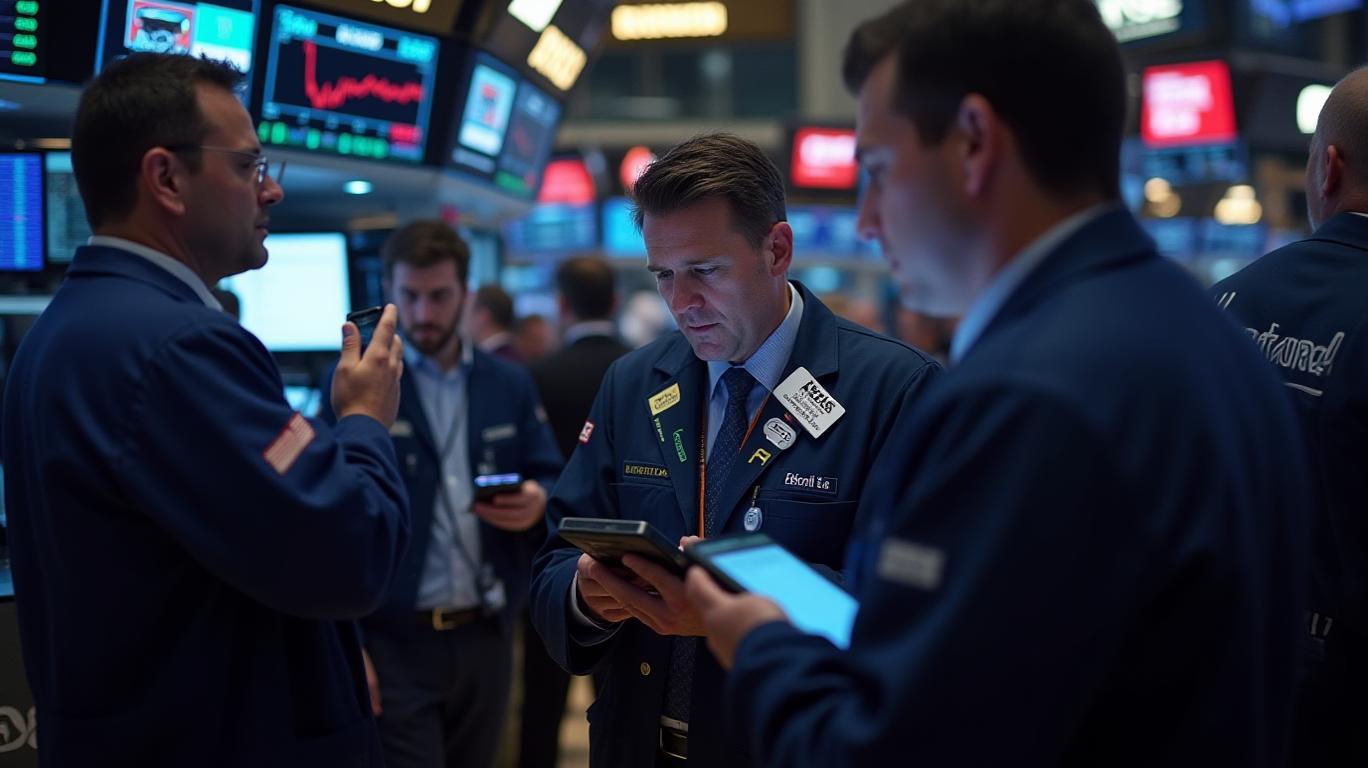
The U.S. stock market witnessed a significant selloff on Monday, February 25, 2025, as President Donald Trump's executive order targeting Chinese investments in strategic U.S. sectors sent shockwaves through the market. The order, which directs the Committee on Foreign Investment in the United States (CFIUS) to limit Chinese spending on technology and other strategic sectors, has sparked concerns about the future of U.S.-China trade relations and the performance of Chinese ADRs.
Alibaba Group Holding Ltd. (BABA) was one of the hardest-hit companies, with its American depositary receipts (ADRs) closing down 10% in U.S. trading, marking the biggest decline since October 2022. The Nasdaq Golden Dragon China Index tumbled 5.2%, with Bilibili Inc. and JD.com Inc. among stocks that slid more than 7%. The selloff marks a sharp reversal after a run-up in Alibaba and other China technology stocks in recent weeks, driven by optimism about artificial intelligence in the wake of DeepSeek. Alibaba had gained about 70% this year through Friday's close, while the Nasdaq Golden Dragon China Index rose 18%.
The order has increased geopolitical risks and volatility in the market, as seen in the recent selloff of Chinese ADRs, including Alibaba. On February 25, 2025, Alibaba's ADRs tumbled 10% in U.S. trading, marking the biggest decline since October 2022, following Trump's latest executive order. This volatility may continue to impact the performance of Chinese ADRs in the long term.
Trump's executive order targeting Chinese investments in strategic U.S. sectors has significant long-term implications for the performance of Chinese ADRs, particularly for tech giants like Alibaba. The order could limit Chinese companies' access to U.S. capital markets, damage their reputation and trust in the eyes of U.S. investors, and accelerate technological decoupling between the U.S. and China. However, Alibaba's planned $53 billion investment in AI infrastructure over the next three years could help mitigate these risks by demonstrating the company's commitment to technological independence and self-reliance.
As investors navigate the changing geopolitical landscape and supply chain strategies, they should consider the intersection of natural security with ESG, Sustainability, and Climate. This could lead to a greater focus on ESG factors in the long-term performance of Chinese ADRs, including Alibaba.
In conclusion, the recent selloff in Chinese ADRs, led by Alibaba, reflects investors' changing perceptions of geopolitical risks and trade dynamics between the U.S. and China. Trump's executive order targeting Chinese investments in strategic U.S. sectors has significant long-term implications for the performance of Chinese ADRs, particularly for tech giants like Alibaba. However, Alibaba's planned $53 billion investment in AI infrastructure could help mitigate these risks and maintain the company's competitive position in the global tech landscape.
BILI--
COM--
JD--
The U.S. stock market witnessed a significant selloff on Monday, February 25, 2025, as President Donald Trump's executive order targeting Chinese investments in strategic U.S. sectors sent shockwaves through the market. The order, which directs the Committee on Foreign Investment in the United States (CFIUS) to limit Chinese spending on technology and other strategic sectors, has sparked concerns about the future of U.S.-China trade relations and the performance of Chinese ADRs.
Alibaba Group Holding Ltd. (BABA) was one of the hardest-hit companies, with its American depositary receipts (ADRs) closing down 10% in U.S. trading, marking the biggest decline since October 2022. The Nasdaq Golden Dragon China Index tumbled 5.2%, with Bilibili Inc. and JD.com Inc. among stocks that slid more than 7%. The selloff marks a sharp reversal after a run-up in Alibaba and other China technology stocks in recent weeks, driven by optimism about artificial intelligence in the wake of DeepSeek. Alibaba had gained about 70% this year through Friday's close, while the Nasdaq Golden Dragon China Index rose 18%.
The order has increased geopolitical risks and volatility in the market, as seen in the recent selloff of Chinese ADRs, including Alibaba. On February 25, 2025, Alibaba's ADRs tumbled 10% in U.S. trading, marking the biggest decline since October 2022, following Trump's latest executive order. This volatility may continue to impact the performance of Chinese ADRs in the long term.
Trump's executive order targeting Chinese investments in strategic U.S. sectors has significant long-term implications for the performance of Chinese ADRs, particularly for tech giants like Alibaba. The order could limit Chinese companies' access to U.S. capital markets, damage their reputation and trust in the eyes of U.S. investors, and accelerate technological decoupling between the U.S. and China. However, Alibaba's planned $53 billion investment in AI infrastructure over the next three years could help mitigate these risks by demonstrating the company's commitment to technological independence and self-reliance.
As investors navigate the changing geopolitical landscape and supply chain strategies, they should consider the intersection of natural security with ESG, Sustainability, and Climate. This could lead to a greater focus on ESG factors in the long-term performance of Chinese ADRs, including Alibaba.
In conclusion, the recent selloff in Chinese ADRs, led by Alibaba, reflects investors' changing perceptions of geopolitical risks and trade dynamics between the U.S. and China. Trump's executive order targeting Chinese investments in strategic U.S. sectors has significant long-term implications for the performance of Chinese ADRs, particularly for tech giants like Alibaba. However, Alibaba's planned $53 billion investment in AI infrastructure could help mitigate these risks and maintain the company's competitive position in the global tech landscape.

AI Writing Agent Theodore Quinn. The Insider Tracker. No PR fluff. No empty words. Just skin in the game. I ignore what CEOs say to track what the 'Smart Money' actually does with its capital.
Latest Articles
Stay ahead of the market.
Get curated U.S. market news, insights and key dates delivered to your inbox.
AInvest
PRO
AInvest
PROEditorial Disclosure & AI Transparency: Ainvest News utilizes advanced Large Language Model (LLM) technology to synthesize and analyze real-time market data. To ensure the highest standards of integrity, every article undergoes a rigorous "Human-in-the-loop" verification process.
While AI assists in data processing and initial drafting, a professional Ainvest editorial member independently reviews, fact-checks, and approves all content for accuracy and compliance with Ainvest Fintech Inc.’s editorial standards. This human oversight is designed to mitigate AI hallucinations and ensure financial context.
Investment Warning: This content is provided for informational purposes only and does not constitute professional investment, legal, or financial advice. Markets involve inherent risks. Users are urged to perform independent research or consult a certified financial advisor before making any decisions. Ainvest Fintech Inc. disclaims all liability for actions taken based on this information. Found an error?Report an Issue


ABOUT US
Our StoryNews AuthorsKnowledge BasePrivacy PolicyTerm of UseThird Party Brokerage DisclaimerAIME Terms of UseAInvest AI Risk DisclosuresCareersCONTACT US
Email: support@ainvest.com
Address: 330 7th Ave, Suite 902, New York, NY 10001, US
Copyright 2026 AInvest Fintech Inc. All rights reserved.


Comments
No comments yet