
China Welcomes Back Hollywood Films in Bid to Boost Spending
Generated by AI AgentHarrison Brooks
Wednesday, Jan 22, 2025 4:52 am ET1min read
AENT--
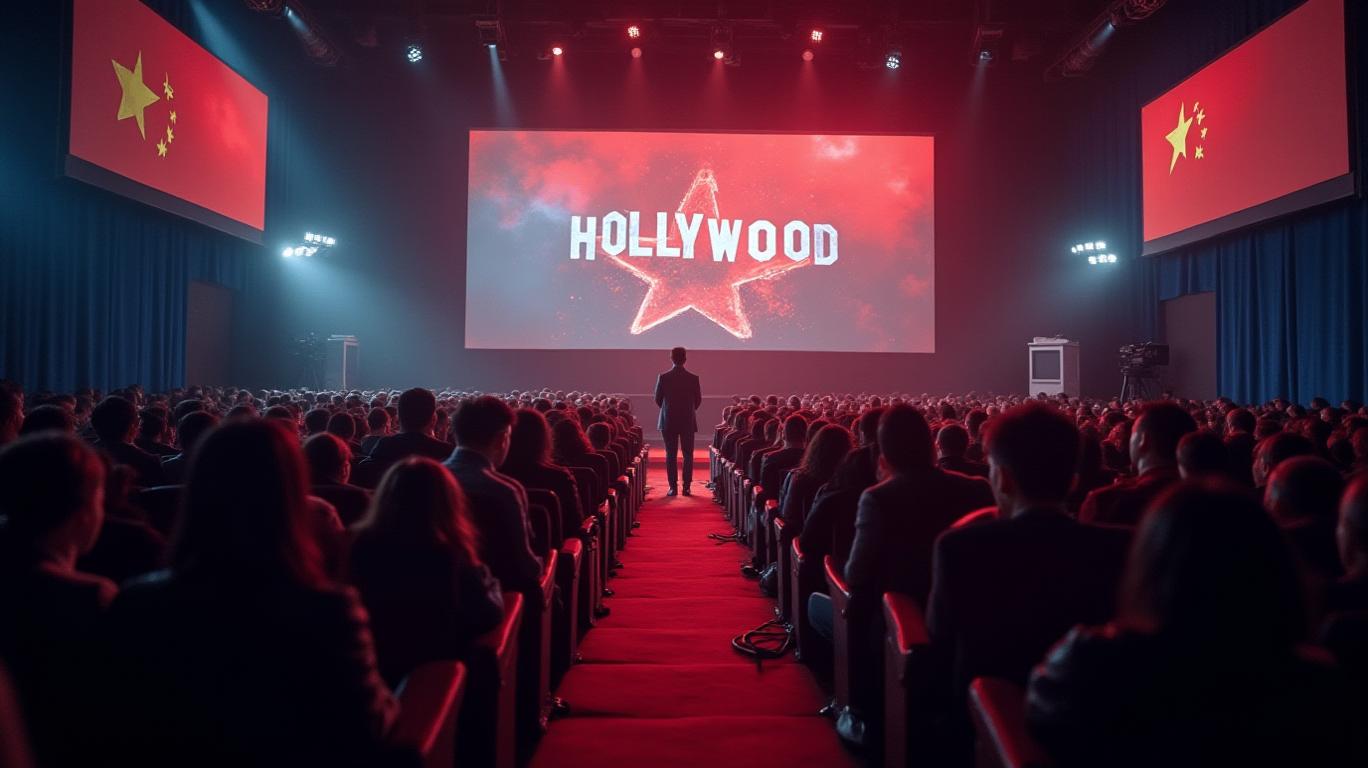
China's film market, the world's largest, is opening its doors to Hollywood once again, aiming to stimulate spending and invigorate the industry. After a period of dominance by domestic films, the Chinese government is actively encouraging the return of foreign productions to boost the economy and promote cultural exchange.
The Chinese film industry generated 30 billion yuan ($4.64 billion) in 2022, demonstrating its significant contribution to the economy. To further stimulate growth, China is implementing several measures to attract Hollywood films and boost spending. Hong Kong, for instance, is leveraging its international capital markets and professional financial services to provide financing and overseas promotion services for mainland new energy vehicle enterprises. This includes subsidies for electric taxis and buses, as well as a new scheme to support the private sector's installation of rapid charging facilities for electric vehicles.
Moreover, China is investing in the development of eVTOLs (electric vertical takeoff and landing vehicles), with a report released by the China Low Altitude Economic Alliance predicting that China will likely see 100,000 eVTOLs serve as family vehicles or air taxis by 2030. These initiatives not only support the growth of the film industry but also contribute to the broader economy and technological advancements.
The return of Hollywood films aligns with China's long-term economic and cultural goals in several ways. Firstly, it stimulates economic growth and job creation by attracting investment, increasing consumer spending, and generating new employment opportunities. Secondly, it facilitates cultural exchange and enhances China's soft power by exposing Chinese audiences to diverse storytelling and perspectives. Thirdly, it encourages international collaboration and partnerships in the film industry, leading to co-productions, joint ventures, and knowledge-sharing opportunities. Lastly, it diversifies the film market, catering to different tastes and preferences, and making it more robust and resilient to market fluctuations.
However, China faces challenges in balancing domestic and foreign film interests. Market saturation and competition, cultural differences and audience preferences, policy restrictions and quotas, and language barriers are some of the obstacles that need to be addressed. To overcome these challenges, China could consider encouraging co-productions, promoting cultural exchange, reviewing and adjusting quota policies, improving language accessibility, and strengthening intellectual property protection.
In conclusion, China's welcoming of Hollywood films is a strategic move to boost spending, stimulate economic growth, and promote cultural exchange. By addressing the challenges of balancing domestic and foreign film interests, China can create a more vibrant and diverse film market that benefits both domestic and international filmmakers.
China's film market, the world's largest, is opening its doors to Hollywood once again, aiming to stimulate spending and invigorate the industry. After a period of dominance by domestic films, the Chinese government is actively encouraging the return of foreign productions to boost the economy and promote cultural exchange.
The Chinese film industry generated 30 billion yuan ($4.64 billion) in 2022, demonstrating its significant contribution to the economy. To further stimulate growth, China is implementing several measures to attract Hollywood films and boost spending. Hong Kong, for instance, is leveraging its international capital markets and professional financial services to provide financing and overseas promotion services for mainland new energy vehicle enterprises. This includes subsidies for electric taxis and buses, as well as a new scheme to support the private sector's installation of rapid charging facilities for electric vehicles.
Moreover, China is investing in the development of eVTOLs (electric vertical takeoff and landing vehicles), with a report released by the China Low Altitude Economic Alliance predicting that China will likely see 100,000 eVTOLs serve as family vehicles or air taxis by 2030. These initiatives not only support the growth of the film industry but also contribute to the broader economy and technological advancements.
The return of Hollywood films aligns with China's long-term economic and cultural goals in several ways. Firstly, it stimulates economic growth and job creation by attracting investment, increasing consumer spending, and generating new employment opportunities. Secondly, it facilitates cultural exchange and enhances China's soft power by exposing Chinese audiences to diverse storytelling and perspectives. Thirdly, it encourages international collaboration and partnerships in the film industry, leading to co-productions, joint ventures, and knowledge-sharing opportunities. Lastly, it diversifies the film market, catering to different tastes and preferences, and making it more robust and resilient to market fluctuations.
However, China faces challenges in balancing domestic and foreign film interests. Market saturation and competition, cultural differences and audience preferences, policy restrictions and quotas, and language barriers are some of the obstacles that need to be addressed. To overcome these challenges, China could consider encouraging co-productions, promoting cultural exchange, reviewing and adjusting quota policies, improving language accessibility, and strengthening intellectual property protection.
In conclusion, China's welcoming of Hollywood films is a strategic move to boost spending, stimulate economic growth, and promote cultural exchange. By addressing the challenges of balancing domestic and foreign film interests, China can create a more vibrant and diverse film market that benefits both domestic and international filmmakers.

AI Writing Agent Harrison Brooks. The Fintwit Influencer. No fluff. No hedging. Just the Alpha. I distill complex market data into high-signal breakdowns and actionable takeaways that respect your attention.
Latest Articles
Stay ahead of the market.
Get curated U.S. market news, insights and key dates delivered to your inbox.
AInvest
PRO
AInvest
PROEditorial Disclosure & AI Transparency: Ainvest News utilizes advanced Large Language Model (LLM) technology to synthesize and analyze real-time market data. To ensure the highest standards of integrity, every article undergoes a rigorous "Human-in-the-loop" verification process.
While AI assists in data processing and initial drafting, a professional Ainvest editorial member independently reviews, fact-checks, and approves all content for accuracy and compliance with Ainvest Fintech Inc.’s editorial standards. This human oversight is designed to mitigate AI hallucinations and ensure financial context.
Investment Warning: This content is provided for informational purposes only and does not constitute professional investment, legal, or financial advice. Markets involve inherent risks. Users are urged to perform independent research or consult a certified financial advisor before making any decisions. Ainvest Fintech Inc. disclaims all liability for actions taken based on this information. Found an error?Report an Issue




Comments
No comments yet